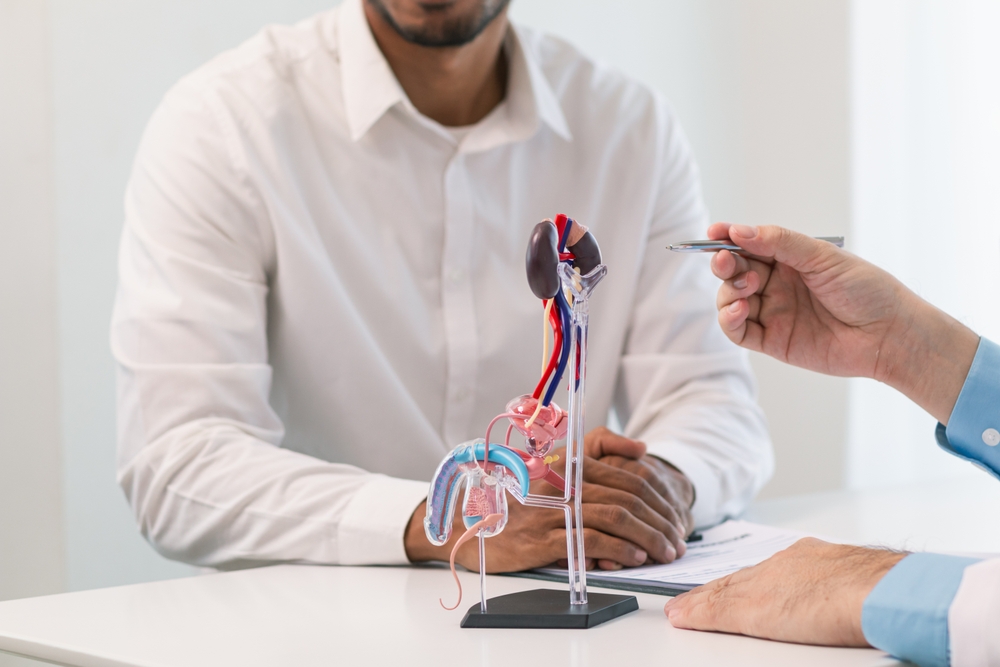
Finishing active cancer treatment is a milestone worth celebrating, but it is rarely the end of the medical journey. For most survivors, the months and years that follow are shaped by a different kind of care, one focused on monitoring, prevention, healing, and quality of life. In San Antonio, where the cancer community continues to grow alongside the city’s expanding medical landscape, ongoing oncology and hematology care has become a cornerstone of meaningful, lasting recovery.
Survivors who stay engaged with their care teams give themselves the best possible chance at catching problems early, managing late effects, and rebuilding their lives with confidence.
Why Survivorship Care Matters After Treatment Ends
Cancer treatment can be physically and emotionally demanding, and its effects do not simply disappear once chemotherapy, radiation, or surgery wraps up. Many patients live with lingering fatigue, neuropathy, hormonal changes, cognitive shifts often called “chemo brain,” and emotional aftershocks like anxiety or depression. Survivorship care is designed to address these realities head on, rather than leaving patients to navigate them alone.
Ongoing cancer care in San Antonio, TX focuses on three central goals: detecting recurrence as early as possible, identifying and managing long-term side effects of treatment, and supporting whole-person wellness. A structured survivorship plan typically includes a personalized schedule of follow up visits, imaging or lab work tailored to the original diagnosis, and clear guidance on lifestyle habits that reduce the risk of recurrence or secondary cancers. This kind of proactive framework gives survivors a roadmap, replacing uncertainty with a sense of direction.
Just as importantly, survivorship care recognizes that recovery is not only physical. Mental health support, nutrition counseling, physical therapy, and integrative therapies are increasingly woven into long-term plans. San Antonio’s oncology centers have leaned into this comprehensive model, understanding that thriving after cancer means more than the absence of disease.
The Importance of Oncology Follow Up Care
Regular follow up visits are the backbone of long-term cancer recovery. These appointments allow oncologists to track healing, evaluate any new symptoms, and catch warning signs of recurrence at their earliest, most treatable stage. The schedule and content of these visits are highly individualized, depending on the type and stage of the original cancer, the treatments received, and the patient’s overall health.
In the first two to three years after treatment, oncology follow up care in San Antonio typically involves more frequent visits, often every three to six months. During these appointments, physicians perform physical exams, review symptoms, and order targeted imaging or blood tests. As time passes and the risk of recurrence decreases, visits often become less frequent, eventually transitioning to annual check ins for many survivors. Even years out from treatment, however, that yearly touchpoint remains valuable, since some cancers carry a lifelong risk of late recurrence or secondary malignancies.
Follow up care is also a chance to address the side effects that may emerge long after treatment ends. Cardiotoxicity from certain chemotherapies, bone density loss from hormonal therapies, thyroid dysfunction after radiation, and increased risk of cardiovascular disease are all examples of late effects that benefit from ongoing surveillance. By keeping these issues on the radar, oncologists can intervene early, often preventing serious complications down the road.
Equally important is the relationship that develops between survivors and their care teams. Patients who feel comfortable with their oncologist are more likely to report new symptoms promptly, ask questions, and stay engaged with screening recommendations. That trust, built over many visits, becomes one of the most powerful tools in long-term recovery.
Hematology Services and Their Role in Long-Term Recovery
For many cancer survivors, particularly those treated for blood cancers like leukemia, lymphoma, and myeloma, hematology care plays a continuing role long after the last round of treatment. Even patients who were treated for solid tumors may need ongoing hematology support if their treatment affected bone marrow function, blood counts, or clotting.
Hematology services in San Antonio, TX cover a wide range of long-term needs. Routine blood work helps identify anemia, low platelet counts, or abnormalities that could signal recurrence or a treatment-related condition like myelodysplastic syndrome. For survivors of blood cancers, periodic bone marrow evaluations, flow cytometry, or molecular testing may be part of the surveillance plan. These tools allow hematologists to detect changes at a microscopic level, often well before symptoms appear.
Beyond surveillance, hematologists also help manage chronic conditions that can develop or worsen after cancer treatment. Clotting disorders, iron overload from frequent transfusions, immune deficiencies, and chronic anemia all fall within their expertise. For survivors who underwent stem cell or bone marrow transplant, the hematology team plays an especially central role, monitoring for graft versus host disease, infection risk, and immune recovery for years after the procedure.
The collaborative nature of hematology and oncology care is one of its greatest strengths. In San Antonio, many practices integrate the two disciplines under one roof, allowing patients to receive coordinated care without juggling multiple unrelated specialists. This integration translates into faster decision making, fewer redundant tests, and a more cohesive recovery experience.
Building a Comprehensive Recovery Plan in San Antonio
A strong long-term recovery plan reaches well beyond the exam room. Survivors benefit most when their oncology and hematology teams collaborate with primary care physicians, cardiologists, endocrinologists, mental health professionals, and rehabilitation specialists as needed. San Antonio’s medical community offers a rich network of these resources, and survivors are encouraged to lean into all of them.
A well-designed plan typically begins with a survivorship care summary, a document that outlines the diagnosis, treatments received, potential late effects, and recommended follow up schedule. This summary becomes a shared reference point for every provider involved in a survivor’s care, ensuring nothing falls through the cracks. Patients are encouraged to keep a copy and share it with any new clinician they see.
Lifestyle plays a powerful role in long-term outcomes. Regular physical activity, a nutrient dense diet, maintaining a healthy weight, limiting alcohol, and avoiding tobacco have all been linked to lower recurrence rates and improved survival in many cancer types. San Antonio offers numerous resources to support these goals, from hospital based survivorship programs to community fitness initiatives, nutrition counseling, and support groups that connect survivors with others who understand the journey.
Mental and emotional wellness deserves equal attention. Anxiety about recurrence, grief over what cancer took away, and the challenge of redefining identity after treatment are all common experiences. Counseling, peer support, mindfulness practices, and survivorship workshops can help survivors process these feelings and move forward with resilience.
Choosing the Right Long-Term Care Partner
Selecting an oncology and hematology team for long-term care is one of the most important decisions a survivor will make. The right partner should offer experience across a range of cancer types, access to advanced diagnostic and treatment technologies, a strong focus on survivorship, and a compassionate, communicative approach. Continuity matters too, since long-term care is built on the foundation of an ongoing relationship.
San Antonio is fortunate to have several oncology and hematology practices that prioritize this kind of long-term partnership. When evaluating options, survivors should consider factors like the practice’s approach to survivorship planning, availability of integrated services, communication style, insurance compatibility, and convenience of location. Asking about clinical trial access, second opinion policies, and coordination with primary care can also help paint a fuller picture.
Above all, survivors should feel heard and respected. A care team that listens carefully, explains options clearly, and treats each patient as a whole person, not just a diagnosis, is one that will serve them well for years to come.
Conclusion
Long-term cancer recovery is an active, ongoing process, and the right care team makes all the difference. Through consistent oncology follow up care, specialized hematology services, and a comprehensive approach to whole-person wellness, San Antonio survivors have access to the support they need to thrive well beyond treatment. Staying engaged with that care is one of the most powerful steps any survivor can take toward a healthy, hopeful future.
Cancer is one of the most challenging health diagnoses a person can receive, but surviving cancer presents its own set of unique challenges. After completing initial treatment, many patients in San Antonio and throughout South Texas believe their cancer journey has ended. However, the reality is that cancer follow up care and monitoring represents a critical phase that can significantly impact long-term survival rates and quality of life.
Understanding the importance of ongoing cancer screening after treatment is essential for anyone who has faced this disease, and working with cancer recurrence monitoring specialists in San Antonio can provide peace of mind and better health outcomes.
The Reality of Cancer Recurrence and Why Monitoring Matters
One of the most important facts patients must understand is that cancer can return even after successful initial treatment. This recurrence can happen months or years after the original diagnosis, which is why cancer follow up care and monitoring must remain a priority throughout life. When cancer cells survive initial treatment, they may enter a dormant state, only to reactivate later. Without regular monitoring and screening, these returning cancer cells might go undetected until they have spread significantly, making treatment much more difficult and less effective.
The goal of ongoing cancer screening after treatment is to catch any recurrence as early as possible, when treatment options are often more successful and less invasive. Patients in San Antonio who maintain regular follow-up appointments with their oncologists have significantly better outcomes than those who skip or delay their monitoring appointments. Cancer recurrence monitoring specialists in San Antonio are trained to recognize the subtle signs and symptoms that might indicate cancer is returning, allowing for prompt intervention before the disease becomes more advanced or widespread.
Establishing a Comprehensive Follow-Up Care Plan
Every cancer patient’s follow-up plan should be personalized based on their specific diagnosis, stage of cancer, type of treatment received, and individual risk factors. In San Antonio, TX, comprehensive cancer follow up care and monitoring typically involves regular physical examinations, imaging studies, laboratory tests, and sometimes specialized procedures depending on the type of cancer. The frequency and type of monitoring will vary significantly based on the cancer type and individual circumstances.
A solid follow-up plan established immediately after treatment completion helps patients transition from active treatment to long-term surveillance. This plan should clearly outline what tests will be performed, how often appointments should occur, and what symptoms or changes warrant immediate medical attention. Patients in South Texas who work closely with their oncology team to develop these plans tend to feel more empowered in their recovery and are more likely to maintain consistent follow-up care. The plan should also address physical recovery, emotional wellness, and lifestyle modifications that can reduce the risk of recurrence.
The Role of Regular Imaging and Laboratory Testing
Imaging studies and laboratory tests form the backbone of ongoing cancer screening after treatment for patients throughout South Texas. Different cancers require different monitoring approaches. For example, breast cancer patients may require regular mammograms and MRI imaging, while colorectal cancer survivors might need periodic colonoscopies. Lung cancer patients may need CT scans, and ovarian cancer survivors might have regular ultrasounds and blood work monitoring.
Laboratory tests can detect specific tumor markers that may indicate cancer recurrence before physical symptoms appear. These blood tests and other laboratory examinations allow cancer recurrence monitoring specialists in San Antonio to identify potential problems at the earliest possible stage. Regular imaging can reveal small tumors before they cause symptoms or spread to other parts of the body. The combination of imaging and laboratory testing provides a comprehensive surveillance strategy that maximizes the chances of early detection. Patients should never skip these appointments, as consistency in monitoring is crucial for catching any changes in their health status promptly.
Managing Side Effects and Long-Term Health Complications
Cancer treatment can cause significant side effects that may persist long after treatment ends. These late effects can include fatigue, heart problems, cognitive changes, nerve damage, and increased risk of secondary cancers. A comprehensive cancer follow up care and monitoring program in San Antonio, TX addresses not only cancer recurrence but also these ongoing treatment-related complications. Managing these side effects improves quality of life and may also reduce the risk of serious health complications in the future.
Cancer recurrence monitoring specialists in San Antonio understand that true follow-up care extends beyond searching for cancer’s return. It includes monitoring for heart disease, lung problems, bone density loss, hormone-related issues, and other conditions that cancer treatment may have triggered. Patients in South Texas should discuss all persistent symptoms with their healthcare team, even those that seem unrelated to cancer. Some symptoms that appear minor might indicate developing complications that require intervention. Regular appointments provide opportunities to address these issues before they become severe, maintaining better overall health and functionality for cancer survivors.
Lifestyle Modifications and Survivorship Support in South Texas
Beyond medical monitoring, cancer survivors benefit tremendously from lifestyle modifications that can reduce recurrence risk and improve overall health. Exercise, proper nutrition, stress management, and avoiding tobacco and excessive alcohol consumption all play important roles in cancer survivorship. Cancer follow up care and monitoring in San Antonio increasingly includes counseling about these lifestyle factors, as research consistently shows they influence long-term outcomes.
Many cancer recurrence monitoring specialists in San Antonio now recommend that survivors participate in support groups, counseling, and survivorship programs specifically designed for people who have completed cancer treatment. These resources address the emotional and psychological aspects of survivorship, including anxiety about recurrence, depression, and the challenges of returning to normal life after cancer. Support groups in South Texas connect survivors with others who understand their experiences, reducing feelings of isolation and providing practical advice about managing life after cancer. Additionally, rehabilitation programs can help patients regain strength, address physical limitations caused by treatment, and improve overall fitness, which contributes to better long-term health outcomes.
Finding the Right Cancer Recurrence Monitoring Specialists in San Antonio
Selecting the right healthcare provider for ongoing cancer screening after treatment is vital for successful long-term survivorship. Patients in San Antonio should seek oncologists and cancer specialists who have experience with survivorship care and who take a comprehensive approach to monitoring. The best cancer recurrence monitoring specialists in San Antonio will take time to explain the follow-up plan, answer questions, and address concerns about recurrence and long-term health risks.
When searching for cancer follow up care and monitoring services in San Antonio, TX, patients should look for specialists affiliated with major cancer centers, those with strong credentials and experience, and providers who offer multidisciplinary care involving oncologists, nurses, and other healthcare professionals. Building a strong relationship with your oncology team ensures better communication, more personalized care, and greater likelihood of maintaining consistent follow-up appointments. Don’t hesitate to ask questions about your specific monitoring plan, and seek clarification about any aspects of your ongoing cancer screening after treatment. Your healthcare team should be supportive and willing to help you navigate survivorship successfully.
Conclusion
Cancer follow up care and monitoring represents one of the most important phases of cancer treatment, yet it is often overlooked or minimized by survivors eager to move past their diagnosis. Patients throughout South Texas who commit to ongoing cancer screening after treatment, work with cancer recurrence monitoring specialists in San Antonio, and maintain regular appointments significantly improve their chances of catching any recurrence early and maintaining their best possible health. By understanding the critical importance of consistent follow-up care and actively participating in your survivorship plan, you take control of your health and give yourself the best opportunity for a long, healthy life after cancer.
Receiving a cancer diagnosis is one of life’s most challenging moments, and the journey through treatment brings its own set of difficulties. For cancer patients in San Antonio, TX, understanding how to manage treatment side effects becomes an essential part of the healing process. Whether you are undergoing chemotherapy, radiation, or other forms of cancer treatment, knowing what to expect and how to cope with chemotherapy side effects can significantly improve your quality of life during this critical time.
Managing cancer treatment side effects requires a comprehensive approach that combines medical guidance, lifestyle adjustments, and emotional support. San Antonio residents have access to excellent medical facilities and support networks that can help you navigate the complexities of cancer recovery support for side effects. This guide will provide you with practical information and strategies to help you manage the physical and emotional challenges that often accompany cancer treatment.
Common Cancer Treatment Side Effects
Cancer treatment side effects vary depending on the type of treatment you receive and your individual health status. Chemotherapy, one of the most common cancer treatments, can cause nausea, fatigue, hair loss, and appetite changes. These side effects occur because chemotherapy drugs target rapidly dividing cells, which includes both cancer cells and healthy cells in your body.
Radiation therapy can cause skin irritation, fatigue, and damage to healthy tissue near the treatment area. Some patients experience long-term side effects from radiation that may develop months or even years after treatment concludes. Understanding these potential side effects helps you prepare mentally and physically for your cancer treatment journey.
Hormone therapy and immunotherapy present their own unique set of challenges. Immunotherapy can trigger inflammation-related side effects as the body’s immune system attacks cancer cells. It is important to work closely with your oncology team in San Antonio to understand which side effects are most likely for your specific treatment plan.
Strategies for Managing Nausea and Appetite Changes
Nausea is one of the most common and distressing side effects of cancer treatment. Fortunately, modern anti-nausea medications have made significant advances, and your San Antonio medical team can prescribe medications that help prevent or minimize nausea. In addition to medication, several dietary strategies can help you cope with chemotherapy side effects related to eating and digestion.
Eating small, frequent meals rather than three large meals can make food more manageable when your stomach feels unsettled. Cold foods often smell less pungent than hot foods, which may reduce nausea triggers. Ginger tea, peppermint, and other natural remedies have shown promise in helping some patients manage mild nausea, though you should always consult with your healthcare provider before trying new remedies.
Maintaining adequate nutrition during cancer treatment is crucial for your immune system and recovery. If you are struggling with appetite loss, focus on consuming nutrient-dense foods when you do feel like eating. Protein is particularly important for maintaining muscle mass and strength during cancer recovery support for side effects. Nutritionists at San Antonio cancer centers can provide personalized dietary recommendations based on your specific needs and preferences.
Staying hydrated is equally important, especially if you experience vomiting or diarrhea. Drinking water throughout the day, consuming broths, and eating water-rich fruits and vegetables all contribute to maintaining proper hydration levels during cancer treatment.
Combating Fatigue and Maintaining Physical Activity
Fatigue is perhaps the most universal side effect experienced by cancer patients, yet it is often one of the least discussed. This type of fatigue differs from normal tiredness and can persist even after adequate rest. Cancer-related fatigue affects your energy levels, concentration, and emotional well-being.
Regular physical activity, even in small amounts, can significantly reduce cancer-related fatigue. This might seem counterintuitive, but gentle exercise like walking, swimming, or yoga helps boost energy levels and improves overall wellness. Many San Antonio community centers and hospitals offer cancer survivor exercise programs specifically designed for patients managing cancer treatment side effects.
It is important to listen to your body and rest when needed. Balancing activity with adequate rest is key to managing fatigue. Some days you will have more energy than others, and this is completely normal. Creating a flexible daily routine that allows for both activity and rest can help you maintain some sense of normalcy during treatment.
Sleep quality also impacts fatigue levels. Maintaining a consistent sleep schedule, creating a comfortable sleeping environment, and avoiding caffeine before bedtime can improve your rest. If sleep problems persist, discuss them with your healthcare provider, as sleep medications or other interventions may be helpful.
Addressing Skin, Hair, and Physical Changes
Hair loss and skin changes represent not just physical side effects but emotional challenges for many cancer patients. These visible changes can affect self-esteem and body image, making coping with chemotherapy side effects a complex emotional process as well as a physical one.
For hair loss, many patients find that wearing wigs, scarves, hats, or head wraps helps them feel more confident and comfortable in public. San Antonio has several wig boutiques and support organizations that specialize in helping cancer patients find appropriate head coverings that suit their style and comfort level.
Skin irritation from radiation or chemotherapy requires gentle care. Using fragrance-free soaps, moisturizers, and avoiding sun exposure on treated areas can help protect sensitive skin. Your oncology team can recommend specific skin care products designed for sensitive skin during cancer treatment.
Some patients experience nail changes, including discoloration and brittleness. Keeping nails short, avoiding harsh chemicals, and wearing gloves during household tasks can minimize damage. These changes are typically temporary and improve after treatment concludes.
Talking about these physical changes with your medical team, family members, and support groups helps you process the emotional impact. Many cancer recovery support for side effects programs in South Texas include counseling and support groups focused on body image and self-esteem during and after treatment.
Building Your Support System and Resources in San Antonio
Managing cancer treatment side effects becomes significantly easier when you have a strong support system in place. San Antonio offers numerous resources for cancer patients, including support groups, counseling services, and patient advocacy organizations.
The University of Texas MD Anderson Cancer Center in Houston and other major medical institutions serve San Antonio patients and offer comprehensive side effect management programs. Local hospitals in San Antonio also provide oncology services and support resources tailored to your needs.
Connecting with other cancer patients who understand your experience can be incredibly valuable. Support groups allow you to share strategies for managing cancer treatment side effects with people facing similar challenges. Many groups meet in person and online, giving you flexibility in how you participate.
Family members and caregivers play a crucial role in your recovery journey. Including them in medical appointments, educating them about your treatment, and clearly communicating your needs helps them support you effectively. Many San Antonio hospitals offer caregiver support programs and educational resources.
Mental health support is equally important as physical health support. A therapist or counselor experienced in working with cancer patients can help you process the emotional aspects of your diagnosis and treatment. Anxiety and depression are common during cancer treatment, and seeking professional help is a sign of strength, not weakness.
Conclusion
Managing cancer treatment side effects requires patience, flexibility, and a comprehensive approach that addresses both physical and emotional needs. For cancer patients in San Antonio, TX, numerous medical professionals, support organizations, and community resources stand ready to assist you through this challenging journey. By understanding potential side effects, implementing practical coping strategies, and building a strong support system, you can improve your quality of life during cancer treatment and recovery. Remember to communicate openly with your healthcare team about any side effects you experience, as they have many tools and interventions available to help you manage them effectively.
Cancer survivorship in San Antonio, TX represents far more than the completion of active treatment. For many individuals, ringing the bell at the end of chemotherapy or radiation is only the start of a new chapter that involves healing, monitoring, adjusting, and rebuilding a life that has been shaped by months or years of medical intervention. Long term cancer recovery care plays an essential role in this stage, supporting survivors physically, emotionally, and socially as they regain strength and navigate lingering effects of the disease and its treatments.
San Antonio is home to a large and diverse cancer survivor community, which has led to a strong network of healthcare providers, cancer centers, and support resources focused on survivorship needs. Recovery is not a linear process, and each survivor experiences a unique path. Still, common patterns emerge that illustrate what long term survivorship truly looks like and why ongoing care is so important.
This blog explores five key aspects of cancer survivorship, focusing on the realities of recovery, the importance of medical follow up, and the support systems available throughout the region. Understanding these elements can help survivors and their loved ones feel more prepared for the post treatment journey.
Adjusting to Life After Treatment
Many people expect to feel immediate relief and renewed energy once treatment ends, yet it is common for survivors to discover that finishing treatment brings a complex mix of emotions. Relief often sits alongside anxiety, fatigue, and uncertainty about the future. The transition from regular medical appointments to a less structured schedule can feel unsettling for some, especially after relying on close clinical supervision for months.
Fatigue remains one of the most persistent challenges survivors face. Even when the body has technically healed from treatment, long term exhaustion can continue for months or years. This fatigue may affect daily routines, work, and family responsibilities. Survivors often learn to pace themselves, incorporate rest periods, and gradually rebuild stamina.
Emotional recovery is another major component of life after treatment. Many survivors in San Antonio report experiencing unexpected feelings of sadness, fear of recurrence, or difficulty reconnecting with normal routines. Professional counseling, peer support groups, and survivorship programs can be invaluable during this time. These services help individuals process experiences, set realistic expectations, and gain confidence in their ability to move forward.
Adjustment also means finding a new normal. For some, this involves revisiting old hobbies or careers with renewed purpose. For others, it means exploring new interests, adopting healthier habits, or redefining priorities. Although challenging, this stage often becomes an opportunity for reflection and growth.
The Role of Long Term Cancer Recovery Care
Long term cancer recovery care supports survivors well beyond the final day of treatment. In San Antonio, oncology teams increasingly emphasize survivorship planning, which may include detailed summaries of treatments received, potential long term side effects, and recommended follow up care. This plan becomes a roadmap for survivors and their primary care providers.
Physical rehabilitation can play a central role in recovery. Some survivors experience limited mobility, muscle weakness, neuropathy, or pain related to treatment. Rehabilitation specialists develop personalized exercise plans that help rebuild strength and improve physical function. These programs can significantly enhance quality of life and independence.
Nutrition support is another important aspect of recovery. Cancer and its treatments often change metabolism, appetite, and digestive health. Registered dietitians familiar with oncology care help survivors develop eating plans that promote healing, support immune function, and prevent unintended weight changes.
Mental health services are just as vital as physical recovery. Long term cancer recovery care often includes access to psychologists, social workers, and support groups that address issues like anxiety, depression, body image concerns, and coping with uncertainty. These services create a strong foundation for emotional resilience.
Many cancer centers in San Antonio offer specialized survivorship clinics that bring all these resources together. These clinics help streamline care, reduce confusion, and ensure survivors have coordinated support as they transition into the long term phase of recovery.
Why Post Cancer Treatment Monitoring Matters
Post cancer treatment monitoring provides an essential safety net for survivors. Even after successful therapy, there is always some risk of recurrence, secondary cancers, or long term side effects. Evidence based monitoring schedules help detect problems early, when they are most treatable.
Survivors may undergo regular imaging, lab tests, and physical exams. These appointments allow oncology teams to track progress, evaluate symptoms, and catch unexpected changes. For many survivors, these visits also provide reassurance and a chance to address concerns that arise during recovery.
Monitoring is not limited to cancer related issues. Some treatments can affect heart health, bone density, thyroid function, or reproductive health. Primary care doctors and specialists in San Antonio often collaborate closely with oncology providers to ensure survivors receive comprehensive care that addresses the full picture of long term wellbeing.
Education plays a key role in effective monitoring. Survivors learn which symptoms warrant attention, how to maintain a healthy lifestyle, and what to expect as part of ongoing recovery. Feeling informed helps reduce anxiety and empowers individuals to take an active role in their health.
Community Support and Survivorship Resources in San Antonio
Cancer survivorship in San Antonio, TX is strengthened by a variety of community resources designed to support individuals at every stage of recovery. Local hospitals, cancer centers, nonprofit organizations, and advocacy groups offer programs that extend beyond clinical treatment.
Support groups allow survivors to connect with others who understand what they are experiencing. These groups address topics like coping strategies, fatigue management, family relationships, and returning to work. Many survivors find that sharing their stories helps them feel less isolated and more supported.
Wellness programs, including yoga, meditation, walking groups, and stress reduction classes, are widely available throughout the city. These programs encourage survivors to build healthy routines and reduce anxiety while enhancing physical strength.
San Antonio also hosts educational workshops that cover topics like financial planning, managing insurance, navigating employment rights, and accessing community services. This information can be invaluable for survivors who face practical challenges as they transition back to daily life.
Faith based organizations and cultural community centers also play a significant role, offering spiritual support, translation services, and culturally relevant programs that reflect the needs of San Antonio’s diverse population.
Building a Meaningful Future After Cancer
Survivorship often inspires individuals to reflect deeply on their values and goals. Many survivors develop a renewed appreciation for relationships, health, and personal growth. Some choose to volunteer with cancer organizations, participate in awareness events, or mentor newly diagnosed patients. Others focus on career changes, travel, or creative pursuits that feel more meaningful after their experience.
The process of rebuilding life after cancer is highly personal. What matters most is that survivors feel supported, informed, and empowered along the way. With strong medical follow up, community connections, and long term cancer recovery care, survivors in San Antonio can look forward to a future defined not by cancer, but by resilience and possibility.
Conclusion
Cancer survivorship in San Antonio, TX encompasses far more than the end of treatment. It involves physical healing, emotional growth, and long term planning that supports health and wellbeing well into the future. With comprehensive post cancer treatment monitoring, dedicated survivorship programs, and a strong network of community resources, survivors have access to the support they need to thrive. Long term cancer recovery care helps guide individuals through the challenges and opportunities that come after cancer, creating a path toward renewed strength, stability, and hope.
Urologic oncology in San Antonio has become a vital part of modern cancer treatment for individuals facing prostate kidney bladder cancer recovery. As rates of urologic cancers rise across the region, more patients and families are seeking access to specialized cancer care that is tailored to their exact diagnosis and long term health goals. South Texas is home to a diverse population with unique medical needs, and the growing availability of advanced urologic oncology services has created a meaningful path forward for people who want the most effective and compassionate treatment possible.
Urologic oncology focuses on cancers that develop within the urinary system and male reproductive organs. These cancers can affect daily life in profound ways and may lead to challenges that persist throughout treatment and recovery. Access to specialists who understand the complexities of prostate kidney and bladder cancers can empower patients to make informed decisions and improve long term outcomes. For people in South Texas, where medical access can vary widely between rural and urban communities, having high quality care available close to home makes an enormous difference.
The Importance of Early Detection and Specialized Diagnosis
Prostate kidney and bladder cancers are often treatable when detected early, which is why urologic oncology in San Antonio emphasizes comprehensive screening and diagnostic precision. Since many urologic cancers do not produce clear symptoms in their earliest stages, patients benefit significantly from working with experts who can interpret subtle test results and identify abnormalities that might otherwise go unnoticed.
Specialized cancer care requires more than simply running standard tests. It involves a deeper understanding of how each cancer behaves, how it progresses, and what factors influence recovery. For example, prostate cancer may grow slowly in some individuals while others experience rapid changes that require immediate intervention. Kidney tumors can remain hidden until imaging reveals them, and bladder cancer often presents through recurring urinary issues that require careful evaluation.
A dedicated urologic oncologist can distinguish between benign and malignant conditions while guiding patients through additional testing such as biopsies, imaging, and laboratory assessments. This careful and highly individualized approach is especially important in South Texas, where diverse populations may experience risk factors related to age, occupation, environmental exposure, and genetic background. Early and accurate diagnosis provides the foundation for successful treatment and ultimately strengthens the path to prostate kidney bladder cancer recovery.
Personalized Treatment Options that Support Long Term Healing
Once a diagnosis is confirmed, the next critical step involves selecting the most suitable treatment plan. Patients benefit greatly from specialized cancer care that is designed around their personal health profile rather than a one size fits all approach. Urologic oncology in San Antonio offers access to advanced therapies that allow individuals to pursue recovery with confidence and clarity.
Treatment options can include minimally invasive surgery, targeted therapy, immunotherapy, radiation, and active surveillance when appropriate. Each of these treatments carries its own advantages and potential risks, making expert guidance essential. For example, robotic assisted surgery can reduce recovery time and preserve important functions for many prostate cancer patients. Kidney cancer treatment might focus on removing only the tumor instead of the entire kidney, which can help protect long term renal health. Bladder cancer treatment often requires a combination of local therapies and systemic options to prevent recurrence.
Specialists in South Texas understand that treatment must align with personal needs and lifestyle goals. A patient who is still active in their career may require a different approach than someone who prefers a more conservative treatment path. A person living in a rural area might need a care plan that reduces travel time or limits lengthy hospital stays. These realities shape the way urologic oncologists develop treatment strategies that support whole person care.
Improving Quality of Life During and After Cancer Treatment
The process of prostate kidney bladder cancer recovery does not end once the initial treatment is finished. Many individuals continue to manage side effects or emotional challenges long after surgery or therapy. This is why urologic oncology in San Antonio places strong emphasis on long term health management and supportive care.
Quality of life is a critical part of recovery. Patients often need help navigating changes related to urinary function, fertility, hormonal balance, sexual health, fatigue, anxiety, and overall well being. Specialized cancer care integrates these concerns into every stage of the recovery journey. By offering rehabilitative services, counseling, nutritional guidance, and routine monitoring, providers in South Texas help patients regain confidence and stability as they move forward.
The cultural diversity of South Texas also plays an important role in recovery. Many families rely on strong community connections and shared decision making. A urologic oncology provider who respects these values can create a more comfortable environment that promotes trust and open communication. When patients feel understood, they are more likely to follow treatment recommendations, attend follow up appointments, and maintain healthy habits that support long term recovery.
The Growing Impact of Urologic Oncology in South Texas Communities
As awareness increases, more people across South Texas are recognizing the importance of seeking specialized cancer care early in their journey. Urologic oncology in San Antonio is helping bridge the gap between standard treatment and personalized, high level medical support. This benefits not only individuals but entire communities that depend on accessible and reliable healthcare.
South Texas has seen significant improvement in cancer outcomes due to advancements in technology, expanded research, and stronger collaboration among medical experts. Urologic oncologists often work closely with radiologists, pathologists, primary care physicians, and other specialists to ensure patients receive the most comprehensive support possible. This teamwork is essential for managing complex cancers that require ongoing evaluation and coordinated treatment.
As medical resources continue to grow in the region, more patients are able to stay close to home rather than traveling long distances for specialized care. This convenience reduces financial strain and emotional stress while promoting a smoother recovery experience. Families can remain involved in the healing process and provide consistent support, which is often a key factor in successful long term outcomes.
Conclusion
Urologic oncology in San Antonio plays a central role in helping individuals achieve stronger and more confident prostate kidney bladder cancer recovery. Through early detection, specialized diagnosis, personalized treatment, and long term support, patients in South Texas gain access to the level of care they deserve. The commitment to advanced knowledge, compassionate guidance, and community centered service allows individuals and families to navigate cancer with greater resilience and hope.
As the field of urologic oncology continues to expand, South Texas stands at the forefront of improved patient outcomes. The dedication to specialized cancer care ensures that more people can look toward the future with optimism and the assurance that they are supported by experts who understand their needs at every stage of the journey.
 Rohit Kapoor, MD