Cancer treatment is often a long and challenging journey that tests patients physically, mentally, and emotionally. But completing treatment does not mark the end of the cancer experience. For many individuals in San Antonio, the path forward involves ongoing care, lifestyle adjustments, emotional healing, and regular medical checkups. Understanding what life after cancer treatment looks like helps survivors and their loved ones prepare for the next chapter with confidence and resilience. In San Antonio and throughout Texas, survivorship care is an essential part of the healing process.
Transitioning from Active Treatment to Recovery
Finishing cancer treatment can bring a wave of relief, but it also introduces a new stage filled with questions and uncertainties. Patients who have grown accustomed to frequent doctor visits and constant monitoring may suddenly find themselves navigating a different kind of healthcare schedule. This transition period can feel both liberating and unsettling.
In San Antonio, cancer recovery after treatment typically begins with a comprehensive post-treatment plan. Healthcare providers often schedule a final round of imaging or lab tests to confirm remission or stability. After this, the frequency of appointments usually decreases, but follow-up care remains vital. Most survivors continue to see their oncologists or primary care physicians on a regular basis for several years.
This phase often includes managing lingering side effects of treatment, such as fatigue, neuropathy, or changes in appetite. In some cases, the effects may persist for months or even years. Emotional challenges can also arise during this time, as patients begin to process the magnitude of what they have endured and grapple with fears of recurrence.
What Survivorship Care Includes in San Antonio
San Antonio cancer survivorship care is designed to help patients adjust to life after treatment while minimizing the risk of recurrence. Survivorship care plans, which are typically provided at the end of treatment, act as roadmaps for monitoring health and supporting recovery.
These plans include information about the type of cancer, the treatment received, possible late effects, and recommendations for future screenings or lifestyle changes. Survivors in San Antonio benefit from a range of local services, including nutrition counseling, physical therapy, psychosocial support, and integrative therapies such as acupuncture and yoga.
A key element of survivorship care is coordination. Cancer survivors often require input from multiple healthcare professionals, including oncologists, primary care doctors, rehabilitation specialists, and mental health counselors. In Texas, many cancer centers and hospitals offer coordinated care programs that help ensure all aspects of the survivor’s health are addressed in a comprehensive and cohesive way.
Additionally, survivorship care in San Antonio often emphasizes education. Patients are encouraged to learn about the signs of recurrence, manage ongoing symptoms, and adopt healthier habits. Support groups also play a crucial role by offering emotional support and connecting survivors with others who understand the complexities of life after cancer treatment.
Physical and Emotional Healing After Treatment
While medical treatment may end, healing continues long after. Physically, many cancer survivors face a period of recovery that involves regaining strength, improving stamina, and adjusting to changes in their bodies. Some may struggle with chronic fatigue, reduced mobility, or long-term effects of surgery or radiation.
Rehabilitation services available in San Antonio help address these challenges. Programs at local hospitals and cancer centers offer personalized physical therapy, occupational therapy, and exercise programs tailored to each survivor’s needs. These services aim to restore independence and improve quality of life.
Emotionally, survivors often deal with a mix of emotions including anxiety, depression, and post-traumatic stress. The experience of battling cancer can lead to a reevaluation of priorities and a changed perspective on life. Mental health support is therefore a vital part of recovery.
In Texas, many survivors find comfort in counseling services, whether one-on-one with a licensed therapist or in a group setting. San Antonio-based organizations also offer resources specifically for cancer survivors, helping them rebuild emotionally and socially.
Ongoing Monitoring and Recurrence Prevention
Even after treatment ends, vigilance remains important. Monitoring for recurrence is a central aspect of life after cancer treatment in San Antonio. Follow-up appointments are scheduled based on the type of cancer, stage at diagnosis, and the treatment received.
These checkups often include physical exams, imaging tests, blood work, and discussions about any new symptoms. The goal is to detect any signs of cancer returning as early as possible. Survivors are also monitored for secondary cancers, which can sometimes occur as a result of treatment.
In addition to clinical surveillance, patients are encouraged to take proactive steps in their own health. Maintaining a healthy weight, eating a balanced diet, limiting alcohol, not smoking, and staying physically active are all proven ways to reduce the risk of recurrence. San Antonio offers a variety of wellness programs and community initiatives to support these lifestyle changes.
Healthcare teams in Texas often work closely with survivors to develop personalized wellness strategies. These may include referral to dietitians, fitness specialists, and stress management programs. Survivors who stay engaged in their health often report a greater sense of control and optimism about the future.
Building a New Normal and Finding Purpose
Perhaps one of the most significant aspects of cancer recovery after treatment is redefining what life looks like moving forward. Survivors in San Antonio often describe this phase as building a “new normal.” This might mean returning to work, pursuing hobbies, strengthening relationships, or embracing new goals inspired by the cancer experience.
Many find renewed purpose in giving back. Some become patient advocates, volunteers, or mentors to others just beginning their treatment journey. Sharing their stories not only helps others but also contributes to their own healing.
This stage of recovery also involves recognizing achievements and milestones. Whether it is one month or ten years post-treatment, each step forward is a testament to resilience. Celebrating survivorship, whether privately or through events like cancer survivor walks, helps affirm life beyond cancer.
In San Antonio, survivors have access to numerous support systems that reinforce this sense of community and shared experience. Hospitals, nonprofits, and survivor-led organizations all contribute to a network of encouragement and empowerment that helps individuals move forward with hope and strength.
Conclusion
Life after cancer treatment in San Antonio is a journey filled with continued healing, careful monitoring, and new beginnings. Survivors face both physical and emotional challenges, but with the right care and support, they can rebuild their lives and thrive. The city’s robust healthcare infrastructure, survivor programs, and community resources provide a strong foundation for navigating recovery. Through personalized survivorship care and a commitment to wellness, patients in Texas are finding that life beyond cancer is not only possible but full of purpose and promise.
Cancer treatment is a complex journey that affects many systems in the body. One of the most impacted is the blood and bone marrow, both essential components of the circulatory and immune systems. Hematology, the study of blood and its disorders, plays a central role in supporting patients during and after cancer treatment. In San Antonio, where medical advancements and comprehensive care converge, understanding the interplay between hematology and cancer recovery is critical for patients and caregivers alike. This article explores the importance of hematology in cancer care, how blood disorders during cancer treatment arise, and how specialized oncology hematology care in Texas can offer essential support during recovery.
Hematology’s Role in Cancer Treatment and Recovery
Hematology is not just about blood tests or diagnosing anemia. In the context of cancer recovery, it provides essential insight into how treatments like chemotherapy and radiation affect blood cells, the bone marrow, and the immune system. Chemotherapy drugs often target rapidly dividing cells, which includes not only cancer cells but also healthy blood-forming cells in the bone marrow. As a result, patients frequently experience side effects like low red blood cell counts (anemia), low white blood cells (neutropenia), and low platelets (thrombocytopenia). These conditions can severely compromise a patient’s strength, immunity, and ability to tolerate ongoing treatment.
In addition to monitoring these changes, hematologists in San Antonio play a proactive role in managing and treating blood-related complications. This can include administering growth factors to stimulate white blood cell production, blood transfusions to treat anemia, or medications to boost platelet counts. Through these interventions, hematologists not only manage symptoms but also help ensure that patients can continue receiving life-saving cancer therapies without interruptions.
Blood Disorders During Cancer Treatment
Blood disorders during cancer treatment are common and can have serious implications for a patient’s health and recovery. These disorders often stem from the damage that chemotherapy or radiation causes to the bone marrow, the body’s factory for producing blood cells. Anemia, characterized by fatigue and shortness of breath, arises from a shortage of red blood cells. Neutropenia, a low white blood cell count, increases the risk of infection, which can be life-threatening if not properly managed. Thrombocytopenia leads to increased bleeding and bruising due to low platelet levels.
For San Antonio patients undergoing aggressive treatments for cancers such as leukemia, lymphoma, or multiple myeloma, blood disorders may be even more profound. In some cases, the cancer itself originates in the blood or bone marrow, as seen in hematologic malignancies. These conditions blur the line between oncology and hematology, making specialized care essential. Hematologists work alongside oncologists to tailor treatments that address both the cancer and the associated blood complications, ensuring a holistic approach to patient care.
Understanding the signs of blood disorders is important for early intervention. San Antonio’s healthcare providers often educate patients to recognize symptoms like persistent fatigue, frequent infections, unusual bruising, or prolonged bleeding. Timely reporting and prompt treatment can significantly reduce complications and improve outcomes.
Collaborative Oncology Hematology Care in Texas
The integration of oncology and hematology in patient care models across Texas reflects a growing recognition of how interconnected these specialties are. In San Antonio, oncology hematology care is designed to provide seamless support, from diagnosis through recovery. Multidisciplinary teams, often consisting of oncologists, hematologists, nurses, pharmacists, and support staff, collaborate to monitor and manage every aspect of a patient’s health.
This collaborative care model is particularly vital in managing cancers with a direct impact on the blood, such as leukemias and lymphomas, but also benefits patients with solid tumors like breast or lung cancer who experience hematologic side effects from treatment. Hematologists bring deep expertise in managing complications, adjusting treatment protocols, and preventing delays in therapy due to blood-related issues.
Furthermore, many San Antonio oncology centers offer supportive care programs that include nutrition counseling, physical therapy, and mental health support. These services help address the physical and emotional toll of cancer while reinforcing the patient’s overall recovery strategy. Hematologists contribute by ensuring that patients remain physically stable and resilient enough to participate fully in these programs.
Texas also boasts several institutions that conduct cutting-edge research in hematology and oncology, offering clinical trials that provide access to new therapies and innovations. For eligible patients in San Antonio, this can mean earlier access to treatments that improve blood counts or reduce side effects, accelerating their path to recovery.
Personalized Hematologic Monitoring During Recovery
Once cancer treatment is complete, the journey is far from over. Recovery can take months or even years, and the role of hematology during this phase remains crucial. Regular blood monitoring helps detect lingering side effects or emerging complications, such as secondary blood cancers or bone marrow suppression. This is especially important for patients who have undergone high-dose chemotherapy, bone marrow transplants, or immunotherapies.
In San Antonio, post-treatment care plans often include scheduled visits to hematology specialists for blood work and follow-up assessments. This level of personalized monitoring allows for the early detection of anomalies, ensuring prompt intervention. For example, persistent anemia may be treated with dietary changes, supplements, or medications, while low white cell counts may require immune-boosting therapies or lifestyle adjustments to prevent infections.
For cancer survivors who develop chronic blood disorders as a result of their treatment, hematologists provide long-term care strategies. These may include managing clotting disorders, monitoring for myelodysplastic syndromes, or screening for genetic markers that influence future health risks. In all cases, the goal is to maintain the highest possible quality of life while minimizing complications.
Why San Antonio Patients Should Prioritize Hematology Expertise
San Antonio is home to a wide range of healthcare institutions offering state-of-the-art cancer care. What sets many of them apart is their recognition of the vital connection between hematology and cancer recovery. By prioritizing hematology as part of the treatment and recovery plan, patients benefit from more comprehensive care and improved outcomes.
Access to hematology expertise ensures that blood-related issues do not become barriers to recovery. In a city with a diverse population and a range of cancer care facilities, the availability of integrated oncology hematology services means patients can receive coordinated, compassionate care close to home. Moreover, hematologists in San Antonio are often at the forefront of research and education, bringing the latest knowledge and treatments directly to the bedside.
Patients and caregivers should not hesitate to ask their cancer care team about hematologic monitoring and support. Doing so can lead to better symptom control, fewer emergency complications, and a smoother recovery. As cancer treatment becomes increasingly personalized, so too does the role of hematology in ensuring that every aspect of a patient’s health is considered and cared for.
Conclusion
The path to cancer recovery involves much more than targeting tumors. Hematology plays a pivotal role in helping patients navigate the challenges of treatment, manage side effects, and recover with strength and resilience. In San Antonio, where medical expertise and community-focused care intersect, patients have access to integrated oncology hematology care that supports both immediate needs and long-term health. Recognizing the impact of blood disorders during cancer treatment and engaging with hematologists throughout the recovery process can make a significant difference. For every patient facing cancer in Texas, understanding the role of hematology is a crucial step toward a healthier, more hopeful future.
Cancer care has evolved significantly over the past few decades, with specialized treatment centers offering more targeted, compassionate, and effective therapies. In San Antonio, TX, one area that has seen remarkable advancements is the treatment of urologic cancers. These include cancers of the kidney, bladder, prostate, and testicles. Patients now have access to specialized care that not only focuses on eliminating cancer but also supports the journey of recovery and long-term health. At the heart of this evolution is the personalized, expert-led approach found at leading cancer recovery centers throughout South Texas.
The Role of Specialized Cancer Recovery Centers in San Antonio, TX
A cancer recovery center in San Antonio, TX plays a crucial role in bridging the gap between clinical treatment and holistic healing. Unlike general oncology departments, these centers are designed to offer post-treatment support, rehabilitation, and surveillance tailored to each patient’s needs. This is especially important in urologic oncology, where recovery often involves restoring urinary and sexual function, managing physical side effects, and addressing emotional well-being.
What distinguishes San Antonio’s recovery landscape is its integration of advanced urologic oncology care with wellness-based services. From pelvic floor therapy to dietary counseling, cancer recovery centers here recognize that healing does not end with the last chemotherapy session or surgical intervention. These facilities ensure that patients continue to receive specialized attention long after active treatment ends, promoting a better quality of life and reducing the chances of recurrence.
Urologic Oncology Specialists: Expertise that Drives Better Outcomes
The importance of urologic oncology specialists in San Antonio cannot be overstated. These professionals are not just urologists; they are highly trained in the complexities of cancer care affecting the urinary and male reproductive systems. With board certifications and fellowship training in oncology, they bring a depth of experience that allows for more accurate diagnoses, advanced surgical techniques, and innovative non-surgical treatment options.
In San Antonio, patients benefit from access to urologic oncology teams that work within multidisciplinary frameworks. These specialists collaborate with medical oncologists, radiation oncologists, pathologists, and radiologists to develop the most effective treatment plans. The coordination of care ensures that each aspect of a patient’s condition is addressed from multiple angles, leading to better survival rates and improved functional outcomes.
Urologic oncology specialists in the region also bring familiarity with the specific cancer trends and demographics unique to South Texas. This regional insight is invaluable, especially when certain types of cancer or risk factors are more prevalent due to genetic, environmental, or lifestyle factors common in this area. Local expertise allows for more targeted screening and early detection strategies, which can be life-saving.
Personalized Cancer Treatment: A Key to Recovery
One of the most defining features of cancer care in South Texas is the emphasis on personalized cancer treatment. Gone are the days when every patient received a standardized regimen. Today, advanced genetic testing, biomarker profiling, and imaging technologies allow physicians to customize therapies based on the biology of the tumor and the overall health of the individual.
In San Antonio, cancer recovery centers are at the forefront of personalized care. Patients are often evaluated by a comprehensive team that reviews not just the type and stage of cancer but also other health conditions, lifestyle preferences, and treatment goals. For instance, a younger patient with early-stage kidney cancer may be a candidate for robotic-assisted partial nephrectomy, while an older patient with multiple health issues may benefit more from active surveillance or targeted drug therapy.
This level of customization is critical in urologic oncology, where preserving urinary and sexual function is a priority. Personalized treatment plans help minimize side effects and support faster, more complete recovery. Whether through advanced surgery, precision radiation, or the latest in immunotherapy, the focus remains on achieving the best outcomes with the least disruption to the patient’s life.
A Regional Hub for Advanced Cancer Care in South Texas
San Antonio has emerged as a regional hub for advanced cancer care in South Texas. The city’s medical institutions are home to nationally recognized specialists, research facilities, and cutting-edge technology. This makes it an attractive destination for patients from across the region seeking high-level cancer care close to home.
Beyond the clinical strengths, the cultural and community-driven approach to healthcare in San Antonio is a defining element. Patients receive care in environments that respect their backgrounds, languages, and values, which contributes to better communication and trust between providers and patients. This community-centered approach supports not just clinical healing but emotional and spiritual recovery as well.
Many recovery centers in the city also offer access to clinical trials, allowing patients to benefit from emerging therapies before they become widely available. These opportunities are especially important in urologic oncology, where breakthroughs in immunotherapy and gene-based treatments are changing the outlook for conditions that were once considered difficult to treat.
Supporting the Whole Person: Beyond Medical Treatment
What truly sets San Antonio apart is the holistic model embraced by its cancer recovery centers. Recovery is not merely about eradicating disease. It is about helping individuals return to a life that feels meaningful, comfortable, and empowered. To achieve this, leading centers incorporate integrative services such as psychological counseling, nutrition planning, physical therapy, and support groups.
In urologic oncology, these services are vital. Treatments often have profound effects on personal identity, relationships, and day-to-day life. Addressing these concerns requires a compassionate team that understands the physical and emotional dimensions of recovery. Whether it’s helping a patient manage the side effects of hormone therapy or supporting intimacy after prostate cancer surgery, the goal is always the same: to promote healing in every sense of the word.
The city’s recovery centers also provide resources for families, recognizing that cancer affects not just the individual but their entire support system. Education, caregiver training, and social services are part of the comprehensive care model. These offerings help families become active partners in recovery, which in turn improves outcomes for patients.
Conclusion
San Antonio, TX is not just a city with excellent hospitals. It is a beacon for people seeking high-quality, compassionate cancer care tailored to the specific needs of urologic oncology patients. From specialized cancer recovery centers to experienced urologic oncology specialists, the city offers a level of care that emphasizes personalized treatment, comprehensive support, and regional expertise.
For those navigating the complex journey of cancer recovery, having access to such a robust and integrative system can make all the difference. Patients in South Texas can take comfort in knowing that world-class care is available in their own backyard, delivered by professionals who understand both the science of cancer and the art of healing.
Finding the right cancer recovery center is one of the most important decisions a patient and their family can make during their treatment journey. In a region as medically advanced as South Texas, and especially in a healthcare hub like San Antonio, patients have access to a range of cancer care facilities. However, not all centers are the same, and choosing the best cancer care providers can mean the difference between a difficult road and one with more support, clarity, and comfort.
When considering how to choose a cancer recovery center in San Antonio, it’s crucial to ask the right questions. These inquiries can guide patients toward making informed decisions that align with their specific type of cancer, recovery goals, and personal values. Here, we explore the key considerations and questions every patient should bring to the table.
What Experience Does the Center Have with Your Type of Cancer?
One of the first and most critical questions to ask is whether the facility has experience treating your specific form of cancer. Cancers differ vastly in how they behave, how they are treated, and how they are managed during recovery. A center that handles multiple types of cancer may still lack expertise in your particular diagnosis.
For example, if you are dealing with prostate or kidney cancer, you should be seeking care at a facility with a dedicated urologic oncology center. In San Antonio, TX, there are specialized clinics focused on urologic cancers that offer expert guidance, advanced surgical options, and post-treatment recovery support. These centers often have multidisciplinary teams that include urologists, oncologists, radiologists, and nurses who collaborate on your treatment plan.
Ask if the facility tracks outcomes for your cancer type. Inquire about their success rates and whether they offer personalized treatment plans based on the latest research. Expertise matters not only for initial treatment but also for understanding long-term recovery and managing potential side effects.
What Support Services Are Available During Recovery?
Cancer recovery is more than just medical treatment. It encompasses emotional, psychological, nutritional, and physical rehabilitation support. As you evaluate how to choose a cancer recovery center in San Antonio, it’s vital to understand what recovery services are offered beyond traditional oncology care.
Leading centers in South Texas go beyond surgery and chemotherapy to include holistic support systems. These may involve oncology social workers, nutritionists, physical therapists, and mental health counselors. Recovery is deeply personal, and the best cancer care providers recognize this by offering comprehensive services that adapt to each patient’s evolving needs.
Patients should ask whether the center offers group therapy or peer support programs. Connecting with others who are going through similar experiences can be a source of strength and understanding. Additionally, inquire about pain management programs, palliative care options, and rehabilitation services designed to restore mobility and daily functioning after treatment.
Is the Center Involved in Clinical Trials or Research?
Another essential factor when choosing a recovery center is whether it is involved in ongoing cancer research and clinical trials. Research participation often indicates a forward-thinking approach and access to cutting-edge treatments not widely available elsewhere.
Facilities engaged in cancer research tend to adopt new therapies earlier, which may offer patients more options and hope, particularly in complex or advanced-stage cases. In San Antonio, some of the best cancer care providers collaborate with national and global research institutions to study new medications, surgical techniques, and recovery models.
Patients should ask what types of trials are currently available and whether they might qualify for any. Even if a clinical trial is not appropriate at the time of diagnosis, it could become relevant later during the course of treatment or recovery. Being in a center that participates in research ensures patients are always close to innovative care possibilities.
How Accessible and Coordinated Is the Care?
Recovery from cancer often requires coordination between multiple specialists and departments. Fragmented care can lead to delays, confusion, and duplicated efforts, all of which add stress to an already difficult time. Patients in South Texas should evaluate how well a facility handles communication and coordination.
Some of the most advanced cancer recovery centers use patient navigators to help guide individuals through their treatment and follow-up care. These professionals help schedule appointments, interpret test results, and serve as a bridge between the patient and the care team. When choosing a center in San Antonio, TX, ask whether such navigators are available.
Accessibility also includes physical location and scheduling flexibility. Is the center close to your home or easily accessible by car or public transportation? Do they offer extended hours for appointments, or telehealth options for follow-ups? These questions help determine whether the facility can support your recovery without adding logistical burdens.
Does the Center Offer Personalized Follow-Up Care?
Cancer recovery does not end when active treatment is over. Long-term survivorship care is essential to monitor for recurrence, manage ongoing side effects, and support a return to normal life. When researching how to choose a cancer recovery center in San Antonio, patients should look for facilities with robust follow-up programs.
Ask whether the center offers survivorship care plans tailored to your individual case. These plans often include a schedule of follow-up scans and labs, lifestyle recommendations, and referrals to specialists such as endocrinologists, cardiologists, or fertility experts, depending on your needs. In South Texas, leading recovery centers provide these services as part of a continuum of care, not as an afterthought.
Equally important is the emotional support provided during survivorship. Many patients struggle with anxiety, fatigue, or depression after cancer treatment ends. The best centers include psychological counseling and support groups that help patients navigate these challenges.
Conclusion
Selecting the right cancer recovery center is a deeply personal and life-altering decision. South Texas offers a wide range of high-quality options, especially in cities like San Antonio that serve as regional medical hubs. Still, not all facilities are created equal. By asking targeted questions about experience, support services, research involvement, care coordination, and follow-up, patients can make informed choices that empower their healing journey.
Whether you’re seeking help from a urologic oncology center or a full-spectrum recovery program, ensure the center you choose is committed to treating the whole person, not just the disease. With the right support, recovery becomes not just possible, but transformative. When wondering how to choose a cancer recovery center in San Antonio, start with these questions. They could lead you to a team of the best cancer care providers who will walk with you every step of the way.
Kidney cancer is a serious medical condition that requires a nuanced and evolving treatment approach. With the latest medical advancements, residents of San Antonio, TX now have access to more innovative therapies and care models than ever before. This year, several promising developments are shaping how oncologists manage advanced kidney cancer, focusing not just on eliminating tumors, but on improving quality of life and long-term survival.
This guide provides a comprehensive overview of the current landscape of kidney cancer treatment options, highlighting the cutting-edge therapies available in San Antonio and the broader Texas medical community. If you or a loved one is navigating a kidney cancer diagnosis, understanding the latest treatments and where to find personalized kidney cancer care in San Antonio is essential.
Understanding Kidney Cancer and Its Challenges
Kidney cancer typically originates in the renal cortex and can be difficult to detect early due to its often subtle symptoms. In many cases, it is only discovered during imaging tests for unrelated conditions. Once diagnosed, the stage of the cancer significantly influences the course of treatment. Early-stage kidney cancer may be addressed with surgery alone, while advanced or metastatic cases require more comprehensive strategies that combine several modalities.
The challenge with advanced kidney cancer lies in its resistance to conventional therapies. Historically, treatments such as chemotherapy and radiation have had limited success. However, the past decade has witnessed an explosion in novel approaches, particularly in the areas of immunotherapy and targeted treatments. These innovations are now available in San Antonio, TX, offering new hope for those battling complex cases.
Advances in Immunotherapy and Targeted Treatments
One of the most impactful changes in kidney cancer treatment options has been the rise of immunotherapy. This approach harnesses the patient’s immune system to fight cancer cells more effectively. Drugs such as immune checkpoint inhibitors (including nivolumab and pembrolizumab) have shown promising results in prolonging life expectancy and improving response rates in patients with metastatic renal cell carcinoma.
Another major breakthrough involves targeted therapy. Unlike traditional chemotherapy that indiscriminately attacks all rapidly dividing cells, targeted treatments aim at specific molecules involved in cancer growth. Tyrosine kinase inhibitors (TKIs) like sunitinib and cabozantinib are now commonly used for patients in San Antonio, TX with advanced kidney cancer. These drugs can shrink tumors and slow disease progression while offering a more tolerable side effect profile.
Combination therapy is also gaining traction. Oncologists now often pair immunotherapy with targeted drugs to enhance effectiveness. Clinical trials have demonstrated that combining agents like ipilimumab with nivolumab can lead to better outcomes for certain patients. Many cancer centers across Texas, including those in San Antonio, are offering these cutting-edge regimens as part of their standard care protocols.
Access to Clinical Trials in San Antonio
Participating in a clinical trial can be a transformative option for kidney cancer patients, especially when standard treatments are no longer effective. San Antonio is home to several leading medical institutions and cancer centers that actively conduct research and clinical trials aimed at discovering new advanced kidney cancer therapies.
The University of Texas Health Science Center at San Antonio and other local research hospitals offer patients access to experimental drugs and therapies not yet available to the general public. These trials often explore next-generation immunotherapies, genetic profiling, and novel drug combinations that have the potential to redefine treatment outcomes.
It’s important for patients to discuss clinical trial eligibility with their oncologists early in their care journey. Trial participation not only opens the door to advanced treatments but also contributes to the broader scientific understanding of kidney cancer and the development of future therapies.
Personalized Kidney Cancer Care: Why It Matters
No two cases of kidney cancer are the same, which is why a personalized approach to treatment is crucial. In San Antonio, more healthcare providers are emphasizing precision medicine to create tailored treatment plans that consider the genetic, molecular, and lifestyle factors unique to each patient.
Personalized kidney cancer care in San Antonio involves comprehensive diagnostic testing, including genomic sequencing of tumors. This helps identify specific mutations and biomarkers that can predict how the cancer will respond to various therapies. Oncologists then use this data to recommend treatments that are more likely to be effective and less likely to cause unnecessary side effects.
Furthermore, personalized care includes support beyond medical treatment. Nutrition guidance, mental health counseling, and palliative care are all integral to managing kidney cancer holistically. Several cancer centers in Texas now employ multidisciplinary teams that work together to address all aspects of a patient’s well-being, offering both high-tech and high-touch care.
Choosing the Right Kidney Cancer Treatment Center in Texas
With the growing number of kidney cancer treatment options available, choosing the right care center is an important decision. San Antonio is uniquely positioned with a robust medical infrastructure that includes world-class hospitals, cancer research institutions, and experienced oncology teams. From established names like MD Anderson’s regional networks to the Texas Oncology system, patients have access to some of the best minds in cancer care.
When evaluating treatment centers, patients should look for institutions that offer access to the latest technologies, have experience with advanced kidney cancer therapies, and maintain a patient-centric philosophy. It’s also beneficial to consider centers that offer second opinion services, ensuring patients can make informed decisions about their care pathways.
Additionally, many Texas-based hospitals now offer virtual consultations, making it easier for patients across the state to access top-tier care without the burden of travel. For those located in San Antonio or nearby areas, this convenience can make a significant difference in managing both logistics and stress during treatment.
Conclusion
Advanced kidney cancer is a formidable opponent, but recent medical advances have shifted the outlook from one of limited options to a landscape filled with promise. Patients in San Antonio, TX are particularly well-positioned to benefit from these changes, with local access to immunotherapy, targeted treatments, clinical trials, and comprehensive personalized kidney cancer care.
The journey through kidney cancer treatment is deeply personal and often complex. However, by staying informed about the latest kidney cancer treatment options and working closely with an experienced oncology team, patients can take proactive steps toward a healthier future. Whether you’re exploring the best local cancer centers or seeking access to advanced kidney cancer therapies in Texas, this year offers more opportunities than ever to pursue life-extending, high-quality care in San Antonio.
Staying engaged, asking the right questions, and advocating for a tailored treatment plan can make a profound difference in outcomes. With the support of evolving science and a compassionate medical community, hope is very much alive for kidney cancer patients in San Antonio today.
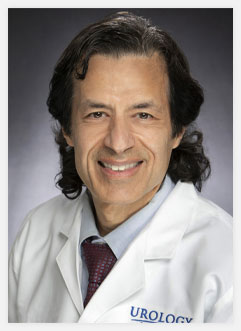 Rohit Kapoor, MD