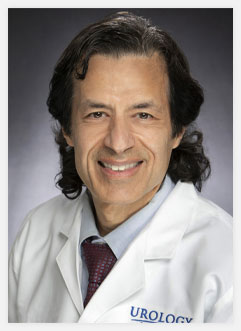
 Rohit Kapoor, MD
Navigating Your Diagnosis: How to Choose the Best Cancer Care Team in San Antonio

Receiving a cancer diagnosis is one of the most overwhelming moments a person can face. In the days that follow, you may feel uncertain about where to turn, who to trust, and how to take the first steps toward treatment. One of the most important decisions you will make during this time is choosing your cancer care team. In San Antonio, patients are fortunate to have access to a wide range of high-quality oncology providers, research institutions, and specialized clinics. But having options also means navigating choices, and knowing what to look for can make all the difference in your experience and your outcomes.
This guide is designed to help you understand what makes a strong cancer care team, what questions to ask, and how to find the right fit for your needs right here in San Antonio.
What a Cancer Care Team Actually Is
Many patients assume their cancer care team means one doctor. In reality, it is a coordinated group of specialists who each play a distinct role in your diagnosis, treatment, and recovery. A well-rounded cancer care team typically includes a medical oncologist, a radiation oncologist, a surgical oncologist, and a primary care physician who helps coordinate your overall health. Depending on your diagnosis, you may also work with a hematologist, a genetic counselor, a palliative care specialist, a social worker, and a registered dietitian.
The key to a strong team is not just the individual credentials of each provider but how well they communicate with one another. Multidisciplinary teams, where specialists from different fields regularly review cases together, are widely regarded as the gold standard in cancer treatment. When evaluating a potential cancer care team in San Antonio, ask specifically whether they hold regular multidisciplinary tumor board meetings. This kind of collaborative approach reduces the risk of oversights and ensures that every aspect of your care is considered from multiple angles.
What to Look for in a Cancer Center in San Antonio
The quality of the institution where your team practices matters just as much as the individuals on that team. San Antonio has several reputable cancer centers worth knowing about.
The Mays Cancer Center at UT Health San Antonio recently earned a spot on Becker’s Hospital Review’s 2025 list of the nation’s top 100 oncology programs, and it holds the distinction of being the only National Cancer Institute-designated cancer center in South and Central Texas. NCI designation is a meaningful benchmark because it signals that a center meets rigorous standards for research, patient care, and clinical trials.
Texas Oncology in San Antonio includes a team of 33 physicians offering treatment at 16 locations, including four comprehensive cancer centers, covering medical oncology, radiation oncology, gynecologic oncology, breast surgery, surgical oncology, and hematology.
The START Center for Cancer Care, founded in 1985, has grown to 37 physicians and seven advanced practice providers caring for approximately 30,000 patients annually across six clinics in San Antonio and Boerne, offering comprehensive services that span subspecialty care, surgery, chemotherapy, radiation therapy, immunotherapy, integrative therapies, in-house pharmacy, lab services, and genetic testing.
University Health, a nationally recognized academic medical center, provides specialized treatment for a wide range of cancers and blood disorders, with cancer programs accredited by the American College of Surgeons Commission on Cancer and recognition as one of only four organizations in Texas designated as a Breast Center of Excellence.
When comparing institutions, consider accreditation status, proximity to your home, hospital affiliations, and whether the center participates in clinical trials. Access to trials can open doors to treatments not yet available elsewhere.
The Role of Clinical Trials and Research in Your Care
If you are facing a difficult or advanced diagnosis, access to clinical research can be a significant factor in your treatment options. San Antonio has a strong research infrastructure that benefits patients directly.
The Mays Cancer Center leads in drug research and clinical trial opportunities, including first-in-human studies of promising new treatments. Being part of an institution that conducts this level of research means patients may have early access to therapies that have not yet reached the general market.
Texas Oncology in San Antonio supports more than 275 patients in their participation in more than 60 clinical trials, with ongoing research covering breast, hematologic, lung, and other cancer types, including Phase I, II, and III studies and numerous trials of immunotherapies.
Asking your cancer care team whether you qualify for any open trials is always a worthwhile conversation. Even if you ultimately choose standard treatment, understanding your full range of options puts you in a stronger position to make informed decisions. A good care team will never pressure you into a trial but will present options clearly and answer your questions honestly.
How to Evaluate and Interview Your Oncologist
Choosing a specific oncologist within a San Antonio cancer center is a personal decision that goes beyond credentials alone. Board certification in oncology is a baseline requirement, but you also want a physician who listens carefully, explains things in plain language, and respects your role in your own care.
Come prepared to your first consultation with a list of questions. Ask about their experience treating your specific cancer type, the volume of patients they see with your diagnosis, and what treatment plan they recommend along with why. Ask what the goals of treatment are: curative, life-extending, or quality-of-life focused. Ask about potential side effects and how the team manages them. Ask who you should contact between appointments if you have concerns or symptoms.
It is also entirely appropriate to seek a second opinion, and reputable oncologists will support this. A second opinion can confirm your diagnosis, clarify your staging, or surface alternative treatment approaches. In San Antonio, the presence of multiple well-regarded institutions makes it realistic to get a second opinion without traveling out of the city.
Pay attention to the support staff as well. Nurses, nurse navigators, and patient coordinators are often your most frequent points of contact throughout treatment. A center that invests in compassionate, responsive support staff demonstrates a genuine commitment to the patient experience, not just the clinical outcomes.
Building Your Support Network Alongside Your Medical Team
A cancer care team in San Antonio should address more than your physical treatment. The emotional, social, and practical dimensions of a cancer diagnosis are real and significant. When evaluating a center, find out what supportive care services are offered. This includes mental health counseling, nutritional guidance, pain management, social work support, and survivorship planning.
The Mays Cancer Center sponsors outreach activities including educational events such as the San Antonio Breast Cancer Symposium, which draws more than 9,000 physicians and scientists to San Antonio each December, and hosts community-facing programs like Living Beyond Cancer: A to Z for patients, caregivers, and the general public.
Beyond your medical team, lean on your personal network: family members, close friends, faith communities, and peer support groups. Many San Antonio cancer centers can connect you with local support groups specific to your cancer type. These peer connections often provide a kind of understanding and encouragement that medical providers, however skilled, cannot replicate on their own.
Financial navigation is another practical area where good cancer centers offer assistance. Treatment costs can be substantial, and patient financial counselors can help you understand your insurance coverage, identify assistance programs, and avoid unexpected bills that create additional stress during an already difficult time.
Conclusion
Choosing the right cancer care team in San Antonio is one of the most consequential steps you can take after a diagnosis. Focus on multidisciplinary collaboration, institutional accreditation, access to research, and the quality of supportive services. Ask questions, seek a second opinion when needed, and remember that the best team is not simply the most prestigious one but the one that fits your diagnosis, your values, and your life. San Antonio offers genuinely strong options, and with the right information, you can move forward with clarity and confidence.