A cancer diagnosis can feel overwhelming. Whether you live near Alamo Heights, Stone Oak, The Dominion, or elsewhere across Bexar County, hearing the words “you have cancer” often brings uncertainty, fear, and countless questions about what comes next.
For many local residents diagnosed with kidney, prostate, or bladder cancer, the first few weeks after diagnosis are filled with medical appointments, treatment discussions, and emotional adjustments. Understanding the process ahead can help you feel more prepared and empowered as you begin your treatment journey.
Urologic cancer treatment in San Antonio typically begins with confirming the diagnosis, understanding the cancer’s stage and extent, reviewing treatment options, and building a personalized care plan. Patients often work closely with a multidisciplinary team that addresses both medical treatment and supportive services designed to improve overall well-being throughout care.
What Patients and Families Should Know Early On
A diagnosis is only the beginning of the evaluation process. Additional testing often helps determine the most appropriate treatment approach.
Many patients benefit from seeking a second opinion before making major treatment decisions, especially when multiple treatment options are available.
Family members and caregivers play an important role in helping patients understand information, attend appointments, and provide emotional support.
Urologic cancer treatment in San Antonio may include surgery, surveillance, targeted therapies, immunotherapy, or other advanced treatment approaches depending on the diagnosis.
Addressing nutrition, emotional health, and quality of life can be just as important as treating the cancer itself.
Why Urologic Cancer Care Matters in San Antonio
Urologic cancers, including prostate, kidney, and bladder cancer, affect thousands of individuals each year. In a growing metropolitan area like San Antonio, access to experienced specialists is particularly important because treatment decisions can significantly influence outcomes and quality of life.
Residents throughout Bexar County often seek care close to home so they can maintain support systems, minimize travel stress, and stay connected with family throughout treatment. Local access to specialized oncology expertise can make a meaningful difference during an already challenging time.
At Cancer Center, we understand that cancer affects far more than physical health. Patients frequently face emotional concerns, lifestyle changes, and questions about the future. Our goal is to help individuals understand their options while supporting the whole person throughout treatment and recovery.
Receiving a diagnosis can leave patients feeling like they must make immediate decisions. In reality, many situations allow time to gather information, ask questions, and carefully evaluate treatment recommendations before moving forward.
A clear understanding of the process can reduce anxiety and help patients feel more confident in the decisions ahead.
Understanding what happens after diagnosis helps patients make informed decisions and participate actively in their care. Early evaluation, expert guidance, and comprehensive support services can help individuals navigate treatment with greater confidence. Local access to experienced specialists allows patients to receive advanced care while remaining close to family and community support systems.
Important Considerations for Local Patients
Prostate, kidney, and bladder cancers each require different treatment approaches based on individual circumstances.
Treatment recommendations are often influenced by cancer stage, overall health, age, and patient goals.
Many patients benefit from nutritional support and wellness guidance during treatment.
Family involvement frequently improves communication and support throughout the care journey.
Seeking treatment close to home can reduce logistical challenges and improve continuity of care.
San Antonio’s growing healthcare community provides access to specialized cancer resources and services.
If you or a loved one has recently received a diagnosis, learning about your options is one of the most important first steps.
The initial evaluation after a urologic cancer diagnosis focuses on confirming details about the cancer and determining the most appropriate treatment path. Additional imaging, laboratory testing, biopsies, or pathology reviews may be recommended to provide a complete picture of the disease.
For patients in San Antonio, this stage often includes discussions about:
Cancer type and location
Cancer stage and grade
Treatment goals
Potential benefits and risks of treatment options
Expected recovery timelines
Long-term quality-of-life considerations
These conversations help create a personalized roadmap tailored to each patient’s needs.
How a Cancer Diagnosis Impacts Daily Life
A urologic cancer diagnosis can affect emotional health, family relationships, work responsibilities, and daily routines. While every experience is different, uncertainty is often one of the most difficult challenges patients face during the early stages of care.
Individuals throughout the greater San Antonio area frequently report concerns about treatment side effects, future independence, financial considerations, and maintaining normal activities. Addressing these concerns early allows patients to focus more effectively on treatment and recovery.
Supportive resources, education, and open communication with healthcare providers can significantly reduce stress throughout the process.
Professional Perspective on Navigating Treatment Decisions
Treatment decisions are most effective when patients understand all available options and feel comfortable asking questions. Taking time to learn about the diagnosis, potential outcomes, and treatment recommendations can help individuals make informed choices aligned with their personal goals.
One common misconception is that all cancers require the same treatment approach. In reality, prostate cancer, kidney cancer, and bladder cancer often involve very different strategies depending on the specifics of the case.
Another important consideration is that successful cancer care extends beyond medical treatment alone. Nutrition, physical activity, emotional wellness, and social support frequently contribute to a patient’s overall experience and recovery.
Signs You Need Additional Guidance After Diagnosis
Patients should consider seeking additional support when they experience:
Confusion about treatment recommendations
Difficulty understanding medical terminology
Uncertainty about whether a second opinion is appropriate
Anxiety that interferes with decision-making
Questions about lifestyle changes during treatment
Concerns about nutrition or wellness
Difficulty coordinating appointments or care plans
Waiting too long to address these concerns can increase stress and make the treatment journey feel more difficult than necessary.
When Should You Seek a Specialist’s Opinion?
Patients should seek a specialist’s opinion whenever they want greater clarity about their diagnosis, treatment options, or expected outcomes. A second opinion can be particularly valuable when multiple treatment approaches are available.
Many residents throughout Bexar County choose to consult with experienced urologic oncology specialists before committing to a treatment plan. This additional perspective can help confirm recommendations and provide greater confidence moving forward.
If you are uncertain about your next step, discussing your options with an experienced specialist may help.
Common Challenges Following a Urologic Cancer Diagnosis
Several factors commonly affect patients during the early stages of care:
Information overload from multiple medical appointments.
Emotional stress associated with uncertainty.
Concerns about treatment side effects.
Balancing work and family responsibilities.
Understanding complex treatment recommendations.
Navigating insurance and logistical considerations.
Recognizing these challenges is the first step toward addressing them effectively.
Supporting Your Health Throughout Treatment
Supporting overall health during treatment often includes maintaining proper nutrition, staying physically active when appropriate, following medical recommendations, and prioritizing emotional well-being.
Patients throughout South Texas frequently benefit from individualized guidance that addresses both treatment-related concerns and lifestyle factors that may influence recovery and quality of life.
While every patient’s journey is unique, a holistic approach can help individuals feel more engaged and empowered throughout care.
What Results Can Patients Realistically Expect?
Treatment outcomes vary based on cancer type, stage, overall health, and treatment approach. Many patients successfully complete treatment and return to normal activities, while others may require ongoing monitoring and follow-up care.
The most important expectation is that treatment plans are designed to achieve the best possible outcome while considering the patient’s personal goals, quality of life, and long-term health.
Insight for Newly Diagnosed Patients
One of the most valuable steps after diagnosis is taking time to organize questions before appointments. Patients who arrive prepared often feel more confident and better informed when discussing treatment options with their healthcare team.
Common Mistakes to Avoid After Diagnosis
Mistake: Rushing into treatment without fully understanding available options.
Consequence: Increased uncertainty and potential regret.
Better approach: Ask questions and seek clarification before making decisions.
Mistake: Ignoring emotional health.
Consequence: Increased stress and difficulty coping with treatment.
Better approach: Utilize support systems and professional resources.
Mistake: Relying solely on online information.
Consequence: Confusion from conflicting or inaccurate sources.
Better approach: Discuss concerns with qualified medical professionals.
A Common Local Scenario
Consider a recently retired San Antonio resident diagnosed with localized prostate cancer during a routine screening. Initially overwhelmed by the diagnosis, the patient sought additional education, discussed options with family members, and obtained a specialist consultation.
Through a careful review process, the patient gained a clearer understanding of treatment choices and felt more confident moving forward with a personalized plan. While every case differs, this scenario reflects the importance of informed decision-making after diagnosis.
Treatment and Support Services That Can Help
Urologic cancer treatment in San Antonio may include a range of services depending on individual needs. These can include surgical treatment, ongoing surveillance, advanced oncology therapies, nutritional counseling, survivorship planning, and supportive care resources.
A comprehensive approach helps ensure that patients receive both clinical expertise and the personal support needed throughout their cancer journey.
If you are exploring your options, learning about available treatment and support services can provide valuable clarity.
After diagnosis, patients generally have several paths available:
Proceed directly with a recommended treatment plan.
Obtain a second opinion for additional perspective.
Pursue additional testing before deciding.
Explore supportive services to help prepare for treatment.
The right choice depends on the diagnosis, personal priorities, and comfort level with the information available.
Serving Patients Throughout the Greater San Antonio Area
We proudly serve patients throughout San Antonio, Stone Oak, Alamo Heights, Shavano Park, The Dominion, Helotes, Boerne, and surrounding communities across Bexar County. Familiarity with the local healthcare landscape allows us to help patients access specialized care while remaining close to home and family support systems.
The Cost of Delaying Important Decisions
Delaying follow-up appointments or postponing important conversations about treatment can increase uncertainty and create unnecessary stress. While many patients have time to carefully evaluate options, maintaining momentum during the diagnostic and planning process is important.
Timely communication with experienced specialists helps ensure that patients have the information needed to make confident, informed decisions.
If you have recently received a diagnosis and still have unanswered questions, now may be the right time to explore your options.
How soon should I see a specialist after a urologic cancer diagnosis?
Most patients should schedule a specialist consultation as soon as reasonably possible. Early evaluation helps clarify treatment options and provides time to make informed decisions without unnecessary delays.
Is a second opinion recommended for urologic cancer treatment in San Antonio?
Yes. Many patients benefit from a second opinion, especially when multiple treatment options exist. A second opinion can help confirm recommendations and increase confidence in the chosen plan.
What cancers are considered urologic cancers?
Urologic cancers commonly include prostate cancer, kidney cancer, bladder cancer, and certain cancers affecting the urinary tract and male reproductive system.
Will I need surgery?
Not necessarily. Treatment recommendations depend on the type, stage, and characteristics of the cancer. Some patients require surgery, while others may benefit from surveillance or alternative therapies.
Can nutrition affect cancer treatment?
Nutrition can play an important role in supporting overall health, energy levels, and recovery throughout treatment. Many patients benefit from professional nutritional guidance.
How can family members help after diagnosis?
Family members can attend appointments, assist with research, provide emotional support, help coordinate care, and participate in treatment discussions when appropriate.
Are treatment plans personalized?
Yes. Modern cancer care is highly individualized and considers factors such as diagnosis, cancer stage, overall health, lifestyle, and personal treatment goals.
Why choose local cancer care?
Receiving care close to home often makes treatment more convenient and allows patients to remain connected to family, friends, and support systems throughout their journey.
A urologic cancer diagnosis can feel overwhelming, but you do not have to navigate it alone. With expert guidance, clear information, and comprehensive support, patients throughout the region can move forward with greater confidence and peace of mind.
Compassionate Guidance for Your Next Step
Receiving a diagnosis is challenging, but understanding your options can make the path ahead clearer. Our team combines decades of urologic oncology experience with a patient-centered approach focused on both treatment and overall well-being.
A cancer diagnosis can make it feel like every decision is suddenly out of your hands. Between appointments, treatments, and managing side effects, many patients and families across San Antonio are looking for practical ways to regain a sense of control and actively support recovery.
One area that often gets overlooked is nutrition. While food is not a substitute for cancer treatment, nutritional counseling can play an important role in helping patients maintain strength, manage symptoms, and support overall well-being throughout their cancer journey.
Nutritional counseling supports cancer recovery by helping patients maintain adequate nutrition, manage treatment-related side effects, preserve strength, and improve quality of life. For many individuals in San Antonio, personalized nutrition guidance becomes an important part of comprehensive cancer care alongside chemotherapy, radiation therapy, surgery, and other medical treatments.
What Patients and Families Should Know
Nutritional counseling can help address common treatment side effects such as nausea, appetite changes, fatigue, and unintended weight loss.
A personalized nutrition plan can help patients maintain strength and energy during active cancer treatment.
Family caregivers often benefit from professional guidance on preparing meals that support recovery and meet changing nutritional needs.
Nutritional counseling for cancer patients in San Antonio provides individualized recommendations rather than one-size-fits-all diet advice.
Long-term survivors may use nutrition strategies to support overall wellness after completing treatment.
Why Nutrition Matters for Cancer Recovery in South Texas
Nutrition plays a critical role in supporting cancer patients throughout treatment and recovery. In San Antonio and throughout Bexar County, patients often face unique challenges related to climate, lifestyle, and access to reliable health information.
The hot South Texas climate can contribute to dehydration, especially for patients experiencing treatment-related side effects. At the same time, conflicting nutrition advice online can make it difficult for patients and caregivers to know which recommendations are safe and evidence-based.
Many individuals undergoing treatment discover that maintaining adequate nutrition becomes more difficult than expected. Changes in taste, appetite loss, digestive issues, and fatigue can all affect daily eating habits. This is where professional nutritional counseling becomes valuable.
At Rohit Kapoor, MD Cancer Center, we believe cancer care extends beyond medical treatment alone. Our approach focuses on the whole patient, helping individuals build strength from the inside out through personalized support that complements their oncology care plan.
Cancer recovery is not only about treating the disease. It is also about helping patients maintain the physical resilience needed to navigate treatment and recovery successfully.
Nutritional counseling provides patients with practical strategies tailored to their diagnosis, treatment plan, symptoms, and personal goals. Rather than following generic diet trends, patients receive guidance designed specifically for their situation.
Nutritional counseling helps cancer patients maintain strength, manage symptoms, and support recovery throughout treatment and survivorship. Personalized nutrition plans can improve daily functioning while complementing traditional oncology care. Family caregivers also benefit from expert guidance that helps them prepare supportive meals and navigate changing nutritional needs.
Recovery Challenges Cancer Patients Face Across the Region
Many patients experience nausea, appetite loss, or taste changes during treatment.
Fatigue can make grocery shopping, cooking, and meal preparation more difficult.
Weight loss and muscle loss may occur if nutritional needs are not adequately met.
Caregivers often struggle to identify foods that are both appealing and nutritionally appropriate.
Long-term survivors may need guidance as they transition from active treatment into wellness-focused recovery.
Nutrition needs can change significantly throughout different stages of care.
If you are exploring ways to support your health during treatment or recovery, professional nutritional counseling can help you better understand your options and develop a plan that aligns with your medical care.
What Evidence Supports Nutritional Counseling During Cancer Care?
Nutritional counseling during cancer care is supported by established oncology and nutrition guidelines that recognize the importance of maintaining adequate nutrition throughout treatment and recovery.
Organizations such as the National Cancer Institute and major oncology associations consistently emphasize the role of nutrition in helping patients maintain strength, preserve muscle mass, and manage treatment-related side effects. While nutrition cannot cure cancer, it can significantly influence a patient’s ability to tolerate treatment and maintain quality of life.
Many cancer centers now incorporate nutrition professionals into multidisciplinary care teams because nutritional challenges are common throughout the cancer journey.
How Nutrition Affects Daily Life During Treatment
Nutrition affects daily life during treatment by influencing energy levels, physical strength, hydration, and symptom management.
For patients throughout the San Antonio metro area, nutritional challenges can impact everything from attending appointments to participating in family activities. Poor nutrition may contribute to fatigue, weakness, and difficulty maintaining a healthy weight.
Conversely, an individualized nutrition plan may help patients better manage treatment demands while supporting their overall well-being throughout recovery.
Professional Insights on Patient Empowerment Through Nutrition
Nutritional counseling empowers patients by giving them practical actions they can take to support their health alongside medical treatment.
One of the most common misconceptions we encounter is the belief that there is a single “cancer diet” that works for everyone. In reality, nutritional needs vary significantly depending on diagnosis, treatment type, symptoms, and individual health considerations.
Our goal is to help patients make informed, realistic choices that support their treatment plan rather than creating additional stress or confusion.
Signs You May Benefit From Nutritional Counseling
Patients may benefit from nutritional counseling if they are experiencing nutritional challenges, treatment side effects, or uncertainty about dietary choices.
Common signs include:
Unintentional weight loss
Reduced appetite
Persistent nausea
Difficulty swallowing
Changes in taste or smell
Ongoing fatigue
Questions about supplements or special diets
Caregiver concerns about meal planning
Waiting too long to address nutrition challenges can make it more difficult to maintain strength and energy throughout treatment.
When It Is Time to Seek Professional Guidance
Professional nutritional guidance is appropriate whenever eating challenges begin affecting health, comfort, or quality of life.
Patients can generally monitor minor appetite fluctuations on their own. However, persistent weight loss, difficulty eating, significant dietary restrictions, or treatment-related symptoms warrant evaluation by qualified healthcare professionals.
Because every cancer journey is different, individualized recommendations are often more effective than generalized online advice.
If you are struggling with treatment-related nutrition concerns, now is the time to learn what supportive resources are available.
Common Nutritional Challenges During Cancer Recovery
Treatment-related side effects are among the most common causes of nutrition difficulties during cancer recovery.
The challenges we frequently see include:
Nausea and digestive discomfort
Appetite loss
Taste and smell changes
Fatigue that affects meal preparation
Weight loss and muscle loss
Difficulty maintaining hydration
Confusion about supplements and special diets
Each of these issues requires individualized strategies that account for the patient’s overall treatment plan and health status.
Practical Steps Patients Can Take
Prevention starts with maintaining consistent communication about nutritional concerns before they become serious problems.
Helpful strategies may include:
Staying hydrated throughout the day
Eating smaller meals more frequently
Tracking symptoms that affect eating
Discussing supplements with healthcare providers
Seeking professional nutrition guidance early
Involving caregivers in meal planning discussions
Patients should remember that nutrition plans often need adjustment as treatment progresses.
What Results Can Patients Realistically Expect?
Patients can realistically expect nutritional counseling to provide personalized guidance that supports symptom management, strength maintenance, and overall quality of life.
Results vary based on individual circumstances, but many patients gain greater confidence in their dietary choices and develop practical strategies for managing treatment-related challenges.
The goal is not perfection. The goal is creating sustainable habits that support health and recovery.
Expert Insight
Patients often feel more confident and engaged in their care when they understand how nutrition fits into their overall treatment plan. Small, personalized adjustments are frequently more effective than drastic dietary changes.
Common Nutrition Mistakes to Avoid
Mistakes during cancer recovery often stem from misinformation rather than a lack of effort.
Common examples include:
Following restrictive diets without medical guidance
Eliminating entire food groups unnecessarily
Relying on internet trends instead of professional recommendations
Ignoring significant weight changes
Taking supplements without discussing them with the oncology team
A better approach is working with healthcare professionals who understand both nutrition and cancer care.
A Common Local Scenario
A common local scenario involves a patient undergoing chemotherapy who experiences appetite loss and significant fatigue.
Without guidance, the patient may struggle to maintain adequate nutrition. Through nutritional counseling, they receive individualized recommendations, meal planning strategies, and practical approaches to managing symptoms.
As a result, they often feel more confident about meeting nutritional goals while continuing treatment.
How Nutritional Counseling Fits Into Comprehensive Cancer Care
Nutritional counseling supports comprehensive cancer care by addressing physical, practical, and lifestyle factors that influence recovery.
Alongside medical oncology services, nutrition support can help patients:
Manage treatment side effects
Maintain strength and energy
Improve dietary confidence
Support long-term wellness goals
Create sustainable habits after treatment
This whole-patient approach helps distinguish personalized cancer care from models focused solely on medical interventions.
If you are interested in learning how nutrition may support your treatment or recovery journey, our team can help you understand your options.
Professional nutritional counseling offers individualized guidance, while general online resources provide broad information.
Online articles may be useful for education, but they cannot account for specific diagnoses, medications, treatment plans, or symptom patterns. Personalized counseling helps ensure recommendations align with each patient’s unique needs.
Serving Patients Throughout the Greater San Antonio Area
Our team serves patients from throughout San Antonio, Alamo Heights, Stone Oak, Helotes, Shavano Park, Leon Valley, and surrounding communities across Bexar County.
Because local patients often face similar treatment and recovery concerns, we focus on providing supportive care that addresses both medical and lifestyle needs.
The Cost of Ignoring Nutritional Challenges
Ignoring nutritional challenges can contribute to worsening fatigue, weight loss, reduced strength, and decreased quality of life.
When nutritional issues remain unaddressed, patients may find it more difficult to maintain daily activities and tolerate treatment demands. Early intervention often provides more opportunities to support overall well-being.
If you are experiencing ongoing nutrition concerns, seeking guidance sooner rather than later may help you avoid preventable setbacks during recovery.
What is nutritional counseling for cancer patients in San Antonio?
Nutritional counseling for cancer patients in San Antonio involves personalized dietary guidance designed to support treatment, recovery, and overall well-being. Recommendations are tailored to the individual’s diagnosis, symptoms, treatment plan, and health goals.
Can nutrition replace cancer treatment?
No, nutrition cannot replace cancer treatment. Nutritional counseling is intended to complement evidence-based medical care and help patients maintain strength, manage side effects, and support recovery.
When should cancer patients seek nutritional counseling?
Cancer patients should seek nutritional counseling whenever they experience appetite changes, weight loss, nausea, fatigue, or uncertainty about dietary choices. Early support can help address concerns before they become more significant.
Can caregivers participate in nutritional counseling sessions?
Yes, caregivers often benefit from participating. Family members who help with grocery shopping, meal preparation, and daily support can gain valuable guidance that improves confidence and consistency at home.
Is nutritional counseling helpful after treatment ends?
Yes, nutritional counseling can remain valuable after treatment ends. Many survivors use nutrition guidance to support wellness goals, rebuild strength, and establish long-term healthy habits.
How personalized are nutrition recommendations?
Nutrition recommendations are highly personalized. Factors such as diagnosis, treatment type, symptoms, medications, and personal preferences all influence the guidance provided.
What nutrition concerns are most common during treatment?
Common concerns include nausea, appetite loss, taste changes, fatigue, weight loss, hydration challenges, and questions about supplements or special diets.
Why is a whole-patient approach important?
A whole-patient approach recognizes that recovery involves more than medical treatment alone. Addressing nutrition, lifestyle factors, and supportive care needs can help patients feel more empowered throughout their cancer journey.
Cancer recovery is a deeply personal journey, and every patient deserves support that extends beyond treatment alone. By combining evidence-based oncology care with personalized nutritional guidance, patients can take meaningful steps toward maintaining strength, confidence, and overall well-being.
Support Your Recovery With Personalized Guidance
You do not have to navigate nutrition questions alone. Our team is committed to helping patients and families better understand their options and build a personalized plan that complements their medical care.
Receiving a cancer diagnosis is one of the most overwhelming moments a person can face. In the days that follow, you may feel uncertain about where to turn, who to trust, and how to take the first steps toward treatment. One of the most important decisions you will make during this time is choosing your cancer care team. In San Antonio, patients are fortunate to have access to a wide range of high-quality oncology providers, research institutions, and specialized clinics. But having options also means navigating choices, and knowing what to look for can make all the difference in your experience and your outcomes.
This guide is designed to help you understand what makes a strong cancer care team, what questions to ask, and how to find the right fit for your needs right here in San Antonio.
What a Cancer Care Team Actually Is
Many patients assume their cancer care team means one doctor. In reality, it is a coordinated group of specialists who each play a distinct role in your diagnosis, treatment, and recovery. A well-rounded cancer care team typically includes a medical oncologist, a radiation oncologist, a surgical oncologist, and a primary care physician who helps coordinate your overall health. Depending on your diagnosis, you may also work with a hematologist, a genetic counselor, a palliative care specialist, a social worker, and a registered dietitian.
The key to a strong team is not just the individual credentials of each provider but how well they communicate with one another. Multidisciplinary teams, where specialists from different fields regularly review cases together, are widely regarded as the gold standard in cancer treatment. When evaluating a potential cancer care team in San Antonio, ask specifically whether they hold regular multidisciplinary tumor board meetings. This kind of collaborative approach reduces the risk of oversights and ensures that every aspect of your care is considered from multiple angles.
What to Look for in a Cancer Center in San Antonio
The quality of the institution where your team practices matters just as much as the individuals on that team. San Antonio has several reputable cancer centers worth knowing about.
The Mays Cancer Center at UT Health San Antonio recently earned a spot on Becker’s Hospital Review’s 2025 list of the nation’s top 100 oncology programs, and it holds the distinction of being the only National Cancer Institute-designated cancer center in South and Central Texas. NCI designation is a meaningful benchmark because it signals that a center meets rigorous standards for research, patient care, and clinical trials.
Texas Oncology in San Antonio includes a team of 33 physicians offering treatment at 16 locations, including four comprehensive cancer centers, covering medical oncology, radiation oncology, gynecologic oncology, breast surgery, surgical oncology, and hematology.
The START Center for Cancer Care, founded in 1985, has grown to 37 physicians and seven advanced practice providers caring for approximately 30,000 patients annually across six clinics in San Antonio and Boerne, offering comprehensive services that span subspecialty care, surgery, chemotherapy, radiation therapy, immunotherapy, integrative therapies, in-house pharmacy, lab services, and genetic testing.
University Health, a nationally recognized academic medical center, provides specialized treatment for a wide range of cancers and blood disorders, with cancer programs accredited by the American College of Surgeons Commission on Cancer and recognition as one of only four organizations in Texas designated as a Breast Center of Excellence.
When comparing institutions, consider accreditation status, proximity to your home, hospital affiliations, and whether the center participates in clinical trials. Access to trials can open doors to treatments not yet available elsewhere.
The Role of Clinical Trials and Research in Your Care
If you are facing a difficult or advanced diagnosis, access to clinical research can be a significant factor in your treatment options. San Antonio has a strong research infrastructure that benefits patients directly.
The Mays Cancer Center leads in drug research and clinical trial opportunities, including first-in-human studies of promising new treatments. Being part of an institution that conducts this level of research means patients may have early access to therapies that have not yet reached the general market.
Texas Oncology in San Antonio supports more than 275 patients in their participation in more than 60 clinical trials, with ongoing research covering breast, hematologic, lung, and other cancer types, including Phase I, II, and III studies and numerous trials of immunotherapies.
Asking your cancer care team whether you qualify for any open trials is always a worthwhile conversation. Even if you ultimately choose standard treatment, understanding your full range of options puts you in a stronger position to make informed decisions. A good care team will never pressure you into a trial but will present options clearly and answer your questions honestly.
How to Evaluate and Interview Your Oncologist
Choosing a specific oncologist within a San Antonio cancer center is a personal decision that goes beyond credentials alone. Board certification in oncology is a baseline requirement, but you also want a physician who listens carefully, explains things in plain language, and respects your role in your own care.
Come prepared to your first consultation with a list of questions. Ask about their experience treating your specific cancer type, the volume of patients they see with your diagnosis, and what treatment plan they recommend along with why. Ask what the goals of treatment are: curative, life-extending, or quality-of-life focused. Ask about potential side effects and how the team manages them. Ask who you should contact between appointments if you have concerns or symptoms.
It is also entirely appropriate to seek a second opinion, and reputable oncologists will support this. A second opinion can confirm your diagnosis, clarify your staging, or surface alternative treatment approaches. In San Antonio, the presence of multiple well-regarded institutions makes it realistic to get a second opinion without traveling out of the city.
Pay attention to the support staff as well. Nurses, nurse navigators, and patient coordinators are often your most frequent points of contact throughout treatment. A center that invests in compassionate, responsive support staff demonstrates a genuine commitment to the patient experience, not just the clinical outcomes.
Building Your Support Network Alongside Your Medical Team
A cancer care team in San Antonio should address more than your physical treatment. The emotional, social, and practical dimensions of a cancer diagnosis are real and significant. When evaluating a center, find out what supportive care services are offered. This includes mental health counseling, nutritional guidance, pain management, social work support, and survivorship planning.
The Mays Cancer Center sponsors outreach activities including educational events such as the San Antonio Breast Cancer Symposium, which draws more than 9,000 physicians and scientists to San Antonio each December, and hosts community-facing programs like Living Beyond Cancer: A to Z for patients, caregivers, and the general public.
Beyond your medical team, lean on your personal network: family members, close friends, faith communities, and peer support groups. Many San Antonio cancer centers can connect you with local support groups specific to your cancer type. These peer connections often provide a kind of understanding and encouragement that medical providers, however skilled, cannot replicate on their own.
Financial navigation is another practical area where good cancer centers offer assistance. Treatment costs can be substantial, and patient financial counselors can help you understand your insurance coverage, identify assistance programs, and avoid unexpected bills that create additional stress during an already difficult time.
Conclusion
Choosing the right cancer care team in San Antonio is one of the most consequential steps you can take after a diagnosis. Focus on multidisciplinary collaboration, institutional accreditation, access to research, and the quality of supportive services. Ask questions, seek a second opinion when needed, and remember that the best team is not simply the most prestigious one but the one that fits your diagnosis, your values, and your life. San Antonio offers genuinely strong options, and with the right information, you can move forward with clarity and confidence.
Receiving a prostate cancer diagnosis can feel overwhelming, but residents of San Antonio, TX have access to some of the most advanced and compassionate cancer care available anywhere in the country. From cutting-edge surgical techniques to targeted radiation therapies and supportive cancer recovery programs, the medical community here is committed to meeting each patient where he is, physically, emotionally, and medically.
Understanding your options is the first step toward regaining a sense of control, and the good news is that you do not have to travel far to find exceptional, personalized care.
What You Should Know About Prostate Cancer and Why Early Detection Matters
Prostate cancer is the second most common cancer among American men, affecting about one in nine. Despite how widespread it is, many men receive a diagnosis before any noticeable symptoms appear, largely because of routine screening. Screening for prostate cancer in men in the appropriate setting by obtaining a prostate-specific antigen (PSA) blood test is important because many men do not have symptoms in the early stages.
Prostate cancer cells can spread by invading nearby organs and tissues, such as the bladder or rectum, or by traveling through the blood or lymph to other parts of the body, which is known as metastatic prostate cancer. Early detection significantly improves outcomes, which is why routine checkups and honest conversations with your primary care physician are so valuable. In San Antonio, TX, patients have access to specialists who use advanced biomarker testing and imaging to assess individual risk profiles well before cancer reaches an advanced stage.
You can trust local experts to assess your prostate cancer risk using special tools developed right here in San Antonio, helping you decide the screening approach that fits your needs. Taking that first step toward screening is one of the most meaningful things a man can do for his long-term health.
Personalized Treatment Planning: No Two Cases Are the Same
One of the most important things to understand about prostate cancer care in San Antonio, TX is that treatment is never one-size-fits-all. In general, the prostate cancer treatment options you consider will depend on your age, cancer grade, cancer stage, symptoms, and your general health. You will also want to consider how well each treatment option will work and how you may be affected by side effects.
Using your prostate biopsy tissue, your doctor can determine your cancer’s grade and stage. He or she may also order additional tests to better understand the type of prostate cancer you have and how likely it is to spread. This information can guide you and your doctor in determining treatment options or whether a wait-and-see approach is appropriate.
Every cancer, just like every person, is unique. Leading cancer programs in San Antonio provide expert guidance while ensuring you are in control of your treatment decisions. Whether your diagnosis points toward a slow-growing tumor or a more aggressive form of the disease, there is a path forward that can be tailored specifically to your needs and your quality-of-life goals.
Surgical and Minimally Invasive Options Available in San Antonio
For patients who require active intervention, surgery remains one of the most effective approaches, and San Antonio surgeons are among the most experienced in the region. One of the ways to treat prostate cancer is through da Vinci Prostatectomy, a minimally invasive treatment. This robotic-assisted approach has transformed the experience of prostate surgery for countless patients throughout San Antonio, TX.
Cure rates for robotic and traditional prostatectomy are best when performed by an experienced surgeon. A prospective multicenter comparison between open and robotic surgery showed robotic surgery subjects had less pain, fewer blood transfusions, less urethral scarring, and fewer blood clots. For patients focused on cancer recovery while maintaining their quality of life, these advantages can make a real difference.
Specialized nerve-sparing techniques help many men retain their sexual function after surgery, and this is a priority that skilled surgical teams in San Antonio take seriously. Other centers in South Texas regularly refer difficult cases to the region’s top programs for uncommon expertise in intricate nerve-sparing procedures. Patients who have been told their case is complex are encouraged not to give up hope; the right surgical team may be closer than they think.
Radiation Therapy, Hormone Therapy, and Innovative Approaches
Surgery is not the only road to cancer recovery. Radiation-based treatments have advanced considerably in recent years, giving patients in San Antonio, TX a range of highly precise options that minimize damage to healthy surrounding tissue.
SBRT (Stereotactic Body Radiation Therapy) is a precise method of external beam radiation therapy. A powerful beam of radiation targets the prostate and requires about 5 sessions lasting only a couple of minutes. For patients who prefer a shorter treatment schedule, this approach can be a compelling option.
IMRT (Intensity Modulated Radiation Therapy) uses a lower intensity beam than SBRT. For prostate cancer, IMRT treatment plans usually include 45 daily treatments, with each treatment lasting only a few moments. Brachytherapy, another radiation method, delivers treatment through radioactive pellets implanted directly into the prostate in an outpatient procedure.
For advanced cases, a newer therapy is offering fresh hope. Pluvicto (lutetium Lu-177 vipivotide tetraxetan) is a radioligand therapy that delivers targeted radiation specifically designed to minimize damage to surrounding healthy tissue by pinpointing prostate-specific membrane antigen-positive (PSMA+) cancer cells.
Hormone therapy for prostate cancer stops the body from making testosterone, which causes cancer cells to stop or slow their growth. Newer medicines and targeted immunotherapies kill cancer in additional innovative ways. Oncology teams in San Antonio are experienced in combining these therapies strategically to give each patient the best possible outcome.
Active Surveillance and Supporting Cancer Recovery Close to Home
Not every prostate cancer diagnosis calls for immediate aggressive treatment. Active surveillance is a reasonable approach for men who have early-stage prostate cancer that is growing slowly or who are older and have other health concerns. Active surveillance means you follow a protocol of regular appointments with your urologist to monitor your tumor for changes. If your cancer’s behavior changes, your urologist may recommend moving from active surveillance to treatment.
This approach allows patients to avoid unnecessary treatment and the potential side effects that come with it, while still being closely monitored by a medical team they trust. Active surveillance offers men with a prostate cancer that is thought to have a low risk of causing harm, a chance to delay or avoid aggressive treatment and its associated side effects.
Cancer recovery is not just about the treatment itself; it is about the full journey a patient takes from diagnosis through follow-up care. Support services, counseling, nutritional guidance, and rehabilitation programs are all part of what comprehensive cancer centers in San Antonio, TX offer. Having access to these resources close to home means patients can lean on their local support networks, including family and friends, while they navigate treatment and recovery. The proximity of world-class care to the communities these patients already live in is one of the most significant advantages of seeking treatment in San Antonio.
Conclusion
Prostate cancer is serious, but it is also one of the most treatable cancers when detected early and managed by skilled specialists. San Antonio, TX is home to a robust network of cancer care providers who deliver personalized, evidence-based treatment across every stage of the disease. From surgical innovation to advanced radiation therapies to thoughtful active surveillance protocols, the options available here reflect a genuine commitment to patient-centered cancer recovery. If you or a loved one has received a diagnosis, reach out to a local specialist and start the conversation today. Compassionate, expert care is right here, close to home.
When you or a loved one receives a cancer diagnosis, finding the right oncology and hematology provider becomes one of the most important decisions you’ll make. The quality of your cancer care team can significantly impact your treatment outcomes, emotional well-being, and overall experience during this challenging time. If you’re in San Antonio, TX, you have access to several excellent medical facilities and specialists, but knowing what to look for in an oncology and hematology provider will help you make an informed choice that aligns with your unique needs and preferences.
Selecting an appropriate cancer care center in San Antonio requires careful consideration of multiple factors. This guide will help you navigate the process of finding a provider who not only has the medical expertise to treat your condition but also demonstrates compassion, clear communication, and a commitment to personalized care. Whether you’re seeking treatment for breast cancer, leukemia, lymphoma, or another malignant condition, understanding what qualities and services to prioritize will empower you to take an active role in your healthcare journey.
Board Certification and Medical Credentials
The foundation of choosing a quality oncology provider starts with verifying their medical credentials and board certifications. An oncology and hematology specialist in San Antonio should hold board certification from the American Board of Internal Medicine in medical oncology, hematology, or both. This certification indicates that the physician has completed extensive training in cancer treatment and blood disorders and has passed rigorous examinations demonstrating their expertise.
Beyond basic board certification, you may want to inquire about any additional subspecialty certifications your oncology provider holds. Some specialists pursue extra training in specific cancer types, such as breast oncology, gastrointestinal oncology, or hematologic malignancies. When researching a cancer care center in San Antonio, take time to review the credentials listed on their website or request this information during your initial consultation. Don’t hesitate to ask about your doctor’s experience with your specific cancer type and how many patients they treat annually with your condition.
Additionally, consider whether the provider maintains active involvement in medical education and research. Oncologists who participate in clinical trials and research often stay at the forefront of treatment innovations, which can benefit their patients by providing access to cutting-edge therapies. Ask whether your potential San Antonio oncology provider participates in clinical trials or research studies that might be appropriate for your diagnosis.
Access to Comprehensive Treatment Options
A high-quality oncology and hematology provider should offer access to a full spectrum of cancer treatment modalities. This includes traditional chemotherapy, targeted therapy, immunotherapy, radiation oncology, and surgical oncology when appropriate. Some specialized cancer care centers in San Antonio also offer newer treatment approaches like precision medicine and genetic testing to tailor therapy to your individual cancer’s characteristics.
When evaluating a provider, ask about their multidisciplinary team approach to cancer care. The best cancer centers function as teams where medical oncologists, surgical oncologists, radiation oncologists, pathologists, and other specialists collaborate to develop comprehensive treatment plans. This collaborative model ensures that your care is coordinated and considers all available options rather than relying on a single treatment modality.
Furthermore, inquire about access to supportive care services. Managing cancer requires more than just chemotherapy or radiation. Look for a San Antonio oncology provider who offers services such as nutrition counseling, mental health support, pain management, palliative care, and survivorship programs. These complementary services can significantly improve your quality of life during and after treatment.
Communication Style and Patient-Centered Care
Your relationship with your oncology provider will be one of the most important relationships you develop during your cancer journey. Therefore, choosing a physician who communicates clearly and listens attentively to your concerns is essential. During an initial consultation with a potential San Antonio oncology specialist, pay attention to how they explain complex medical concepts. Do they use language you can understand? Do they encourage questions and take time to address your concerns?
A patient-centered approach means your provider respects your values, preferences, and goals for treatment. Some patients prioritize aggressive treatment to maximize survival chances, while others emphasize quality of life and symptom management. The right hematology and oncology provider will work collaboratively with you to develop a treatment plan that aligns with your personal objectives and values.
Ask potential providers about their approach to shared decision-making and whether they provide written summaries of appointments and treatment plans. Clear documentation helps you stay informed and remember important details discussed during visits. Additionally, inquire about how easily you can reach your care team with questions between appointments and what communication channels they use, such as patient portals, email, or phone calls.
Institutional Resources and Support Services
The resources available at your cancer care center in San Antonio can substantially affect your overall treatment experience. Look for facilities that are accredited by organizations such as the American College of Surgeons Commission on Cancer, which indicates adherence to high standards of cancer care. Accreditation suggests that the facility regularly evaluates treatment outcomes and quality metrics.
Beyond medical credentials, consider the practical aspects of receiving care. Is the facility conveniently located? Does it offer extended hours or weekend appointments? Are there adequate parking and comfortable waiting areas? Does the center have a patient navigator or social worker who can help coordinate appointments and connect you with additional resources?
Financial counseling services are another valuable resource to seek out. Cancer treatment can be expensive, and navigating insurance, payment plans, and financial assistance programs can be overwhelming. A comprehensive cancer care center in San Antonio should have financial counselors who can help you understand costs, explore funding options, and reduce financial stress during treatment.
Additionally, look for centers that offer support groups, educational workshops, and wellness programs. Connecting with other cancer patients and survivors can provide emotional support and practical insights about managing side effects and maintaining wellness during treatment.
Track Record and Patient Outcomes
While patient testimonials and satisfaction ratings provide helpful perspectives, also consider objective outcome data when evaluating an oncology and hematology provider. Ask about survival rates, recurrence rates, and treatment complication rates for your specific cancer type. The best cancer centers maintain detailed records of patient outcomes and are often transparent about sharing this information.
You can research national rankings of cancer centers, which may include facilities in the San Antonio area. The National Cancer Institute designates certain centers as comprehensive cancer centers based on research activity and treatment excellence. While being located near a designated center offers advantages, many excellent community-based oncology providers in San Antonio deliver outstanding care with comparable outcomes.
Request references or ask to speak with other patients treated by your potential provider if possible. While privacy restrictions may limit what information is available, many patients are willing to discuss their experiences. Learning about others’ experiences can provide valuable insights into what it’s like to receive care from a particular oncology specialist.
Location and Accessibility Considerations
Convenience and accessibility may seem like secondary concerns, but they can significantly impact your ability to maintain consistent care throughout your cancer treatment. Consider the location of the oncology and hematology provider’s office in relation to your home, work, or other commitments. Cancer treatment often requires frequent appointments, and traveling long distances can become burdensome, especially during intensive treatment phases.
Evaluate transportation options and whether the facility offers services like valet parking or shuttle services. Ask about the typical wait times for appointments and how they handle urgent concerns. Some providers offer telehealth consultations for follow-up visits, which can reduce travel burden for patients living far from the center.
Conclusion
Selecting the right oncology and hematology provider in San Antonio is a deeply personal decision that requires thoughtful evaluation of multiple factors including credentials, communication style, available treatments, and support services. By prioritizing board certification, comprehensive treatment options, patient-centered communication, institutional resources, and accessibility, you can confidently choose a cancer care team that will support you through your treatment journey. Don’t hesitate to take time with this decision; finding the right provider will make a meaningful difference in your care experience.
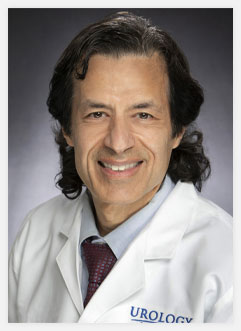 Rohit Kapoor, MD