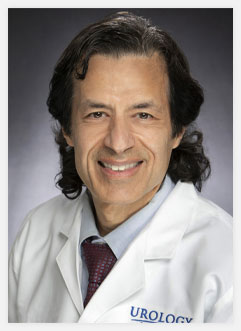
 Rohit Kapoor, MD
What to Look for in an Oncology & Hematology Provider in San Antonio: A Patient’s Guide to Choosing the Right Cancer Care Team

When you or a loved one receives a cancer diagnosis, finding the right oncology and hematology provider becomes one of the most important decisions you’ll make. The quality of your cancer care team can significantly impact your treatment outcomes, emotional well-being, and overall experience during this challenging time. If you’re in San Antonio, TX, you have access to several excellent medical facilities and specialists, but knowing what to look for in an oncology and hematology provider will help you make an informed choice that aligns with your unique needs and preferences.
Selecting an appropriate cancer care center in San Antonio requires careful consideration of multiple factors. This guide will help you navigate the process of finding a provider who not only has the medical expertise to treat your condition but also demonstrates compassion, clear communication, and a commitment to personalized care. Whether you’re seeking treatment for breast cancer, leukemia, lymphoma, or another malignant condition, understanding what qualities and services to prioritize will empower you to take an active role in your healthcare journey.
Board Certification and Medical Credentials
The foundation of choosing a quality oncology provider starts with verifying their medical credentials and board certifications. An oncology and hematology specialist in San Antonio should hold board certification from the American Board of Internal Medicine in medical oncology, hematology, or both. This certification indicates that the physician has completed extensive training in cancer treatment and blood disorders and has passed rigorous examinations demonstrating their expertise.
Beyond basic board certification, you may want to inquire about any additional subspecialty certifications your oncology provider holds. Some specialists pursue extra training in specific cancer types, such as breast oncology, gastrointestinal oncology, or hematologic malignancies. When researching a cancer care center in San Antonio, take time to review the credentials listed on their website or request this information during your initial consultation. Don’t hesitate to ask about your doctor’s experience with your specific cancer type and how many patients they treat annually with your condition.
Additionally, consider whether the provider maintains active involvement in medical education and research. Oncologists who participate in clinical trials and research often stay at the forefront of treatment innovations, which can benefit their patients by providing access to cutting-edge therapies. Ask whether your potential San Antonio oncology provider participates in clinical trials or research studies that might be appropriate for your diagnosis.
Access to Comprehensive Treatment Options
A high-quality oncology and hematology provider should offer access to a full spectrum of cancer treatment modalities. This includes traditional chemotherapy, targeted therapy, immunotherapy, radiation oncology, and surgical oncology when appropriate. Some specialized cancer care centers in San Antonio also offer newer treatment approaches like precision medicine and genetic testing to tailor therapy to your individual cancer’s characteristics.
When evaluating a provider, ask about their multidisciplinary team approach to cancer care. The best cancer centers function as teams where medical oncologists, surgical oncologists, radiation oncologists, pathologists, and other specialists collaborate to develop comprehensive treatment plans. This collaborative model ensures that your care is coordinated and considers all available options rather than relying on a single treatment modality.
Furthermore, inquire about access to supportive care services. Managing cancer requires more than just chemotherapy or radiation. Look for a San Antonio oncology provider who offers services such as nutrition counseling, mental health support, pain management, palliative care, and survivorship programs. These complementary services can significantly improve your quality of life during and after treatment.
Communication Style and Patient-Centered Care
Your relationship with your oncology provider will be one of the most important relationships you develop during your cancer journey. Therefore, choosing a physician who communicates clearly and listens attentively to your concerns is essential. During an initial consultation with a potential San Antonio oncology specialist, pay attention to how they explain complex medical concepts. Do they use language you can understand? Do they encourage questions and take time to address your concerns?
A patient-centered approach means your provider respects your values, preferences, and goals for treatment. Some patients prioritize aggressive treatment to maximize survival chances, while others emphasize quality of life and symptom management. The right hematology and oncology provider will work collaboratively with you to develop a treatment plan that aligns with your personal objectives and values.
Ask potential providers about their approach to shared decision-making and whether they provide written summaries of appointments and treatment plans. Clear documentation helps you stay informed and remember important details discussed during visits. Additionally, inquire about how easily you can reach your care team with questions between appointments and what communication channels they use, such as patient portals, email, or phone calls.
Institutional Resources and Support Services
The resources available at your cancer care center in San Antonio can substantially affect your overall treatment experience. Look for facilities that are accredited by organizations such as the American College of Surgeons Commission on Cancer, which indicates adherence to high standards of cancer care. Accreditation suggests that the facility regularly evaluates treatment outcomes and quality metrics.
Beyond medical credentials, consider the practical aspects of receiving care. Is the facility conveniently located? Does it offer extended hours or weekend appointments? Are there adequate parking and comfortable waiting areas? Does the center have a patient navigator or social worker who can help coordinate appointments and connect you with additional resources?
Financial counseling services are another valuable resource to seek out. Cancer treatment can be expensive, and navigating insurance, payment plans, and financial assistance programs can be overwhelming. A comprehensive cancer care center in San Antonio should have financial counselors who can help you understand costs, explore funding options, and reduce financial stress during treatment.
Additionally, look for centers that offer support groups, educational workshops, and wellness programs. Connecting with other cancer patients and survivors can provide emotional support and practical insights about managing side effects and maintaining wellness during treatment.
Track Record and Patient Outcomes
While patient testimonials and satisfaction ratings provide helpful perspectives, also consider objective outcome data when evaluating an oncology and hematology provider. Ask about survival rates, recurrence rates, and treatment complication rates for your specific cancer type. The best cancer centers maintain detailed records of patient outcomes and are often transparent about sharing this information.
You can research national rankings of cancer centers, which may include facilities in the San Antonio area. The National Cancer Institute designates certain centers as comprehensive cancer centers based on research activity and treatment excellence. While being located near a designated center offers advantages, many excellent community-based oncology providers in San Antonio deliver outstanding care with comparable outcomes.
Request references or ask to speak with other patients treated by your potential provider if possible. While privacy restrictions may limit what information is available, many patients are willing to discuss their experiences. Learning about others’ experiences can provide valuable insights into what it’s like to receive care from a particular oncology specialist.
Location and Accessibility Considerations
Convenience and accessibility may seem like secondary concerns, but they can significantly impact your ability to maintain consistent care throughout your cancer treatment. Consider the location of the oncology and hematology provider’s office in relation to your home, work, or other commitments. Cancer treatment often requires frequent appointments, and traveling long distances can become burdensome, especially during intensive treatment phases.
Evaluate transportation options and whether the facility offers services like valet parking or shuttle services. Ask about the typical wait times for appointments and how they handle urgent concerns. Some providers offer telehealth consultations for follow-up visits, which can reduce travel burden for patients living far from the center.
Conclusion
Selecting the right oncology and hematology provider in San Antonio is a deeply personal decision that requires thoughtful evaluation of multiple factors including credentials, communication style, available treatments, and support services. By prioritizing board certification, comprehensive treatment options, patient-centered communication, institutional resources, and accessibility, you can confidently choose a cancer care team that will support you through your treatment journey. Don’t hesitate to take time with this decision; finding the right provider will make a meaningful difference in your care experience.