Receiving a cancer diagnosis is one of the most overwhelming moments a person can face. In the days that follow, you may feel uncertain about where to turn, who to trust, and how to take the first steps toward treatment. One of the most important decisions you will make during this time is choosing your cancer care team. In San Antonio, patients are fortunate to have access to a wide range of high-quality oncology providers, research institutions, and specialized clinics. But having options also means navigating choices, and knowing what to look for can make all the difference in your experience and your outcomes.
This guide is designed to help you understand what makes a strong cancer care team, what questions to ask, and how to find the right fit for your needs right here in San Antonio.
What a Cancer Care Team Actually Is
Many patients assume their cancer care team means one doctor. In reality, it is a coordinated group of specialists who each play a distinct role in your diagnosis, treatment, and recovery. A well-rounded cancer care team typically includes a medical oncologist, a radiation oncologist, a surgical oncologist, and a primary care physician who helps coordinate your overall health. Depending on your diagnosis, you may also work with a hematologist, a genetic counselor, a palliative care specialist, a social worker, and a registered dietitian.
The key to a strong team is not just the individual credentials of each provider but how well they communicate with one another. Multidisciplinary teams, where specialists from different fields regularly review cases together, are widely regarded as the gold standard in cancer treatment. When evaluating a potential cancer care team in San Antonio, ask specifically whether they hold regular multidisciplinary tumor board meetings. This kind of collaborative approach reduces the risk of oversights and ensures that every aspect of your care is considered from multiple angles.
What to Look for in a Cancer Center in San Antonio
The quality of the institution where your team practices matters just as much as the individuals on that team. San Antonio has several reputable cancer centers worth knowing about.
The Mays Cancer Center at UT Health San Antonio recently earned a spot on Becker’s Hospital Review’s 2025 list of the nation’s top 100 oncology programs, and it holds the distinction of being the only National Cancer Institute-designated cancer center in South and Central Texas. NCI designation is a meaningful benchmark because it signals that a center meets rigorous standards for research, patient care, and clinical trials.
Texas Oncology in San Antonio includes a team of 33 physicians offering treatment at 16 locations, including four comprehensive cancer centers, covering medical oncology, radiation oncology, gynecologic oncology, breast surgery, surgical oncology, and hematology.
The START Center for Cancer Care, founded in 1985, has grown to 37 physicians and seven advanced practice providers caring for approximately 30,000 patients annually across six clinics in San Antonio and Boerne, offering comprehensive services that span subspecialty care, surgery, chemotherapy, radiation therapy, immunotherapy, integrative therapies, in-house pharmacy, lab services, and genetic testing.
University Health, a nationally recognized academic medical center, provides specialized treatment for a wide range of cancers and blood disorders, with cancer programs accredited by the American College of Surgeons Commission on Cancer and recognition as one of only four organizations in Texas designated as a Breast Center of Excellence.
When comparing institutions, consider accreditation status, proximity to your home, hospital affiliations, and whether the center participates in clinical trials. Access to trials can open doors to treatments not yet available elsewhere.
The Role of Clinical Trials and Research in Your Care
If you are facing a difficult or advanced diagnosis, access to clinical research can be a significant factor in your treatment options. San Antonio has a strong research infrastructure that benefits patients directly.
The Mays Cancer Center leads in drug research and clinical trial opportunities, including first-in-human studies of promising new treatments. Being part of an institution that conducts this level of research means patients may have early access to therapies that have not yet reached the general market.
Texas Oncology in San Antonio supports more than 275 patients in their participation in more than 60 clinical trials, with ongoing research covering breast, hematologic, lung, and other cancer types, including Phase I, II, and III studies and numerous trials of immunotherapies.
Asking your cancer care team whether you qualify for any open trials is always a worthwhile conversation. Even if you ultimately choose standard treatment, understanding your full range of options puts you in a stronger position to make informed decisions. A good care team will never pressure you into a trial but will present options clearly and answer your questions honestly.
How to Evaluate and Interview Your Oncologist
Choosing a specific oncologist within a San Antonio cancer center is a personal decision that goes beyond credentials alone. Board certification in oncology is a baseline requirement, but you also want a physician who listens carefully, explains things in plain language, and respects your role in your own care.
Come prepared to your first consultation with a list of questions. Ask about their experience treating your specific cancer type, the volume of patients they see with your diagnosis, and what treatment plan they recommend along with why. Ask what the goals of treatment are: curative, life-extending, or quality-of-life focused. Ask about potential side effects and how the team manages them. Ask who you should contact between appointments if you have concerns or symptoms.
It is also entirely appropriate to seek a second opinion, and reputable oncologists will support this. A second opinion can confirm your diagnosis, clarify your staging, or surface alternative treatment approaches. In San Antonio, the presence of multiple well-regarded institutions makes it realistic to get a second opinion without traveling out of the city.
Pay attention to the support staff as well. Nurses, nurse navigators, and patient coordinators are often your most frequent points of contact throughout treatment. A center that invests in compassionate, responsive support staff demonstrates a genuine commitment to the patient experience, not just the clinical outcomes.
Building Your Support Network Alongside Your Medical Team
A cancer care team in San Antonio should address more than your physical treatment. The emotional, social, and practical dimensions of a cancer diagnosis are real and significant. When evaluating a center, find out what supportive care services are offered. This includes mental health counseling, nutritional guidance, pain management, social work support, and survivorship planning.
The Mays Cancer Center sponsors outreach activities including educational events such as the San Antonio Breast Cancer Symposium, which draws more than 9,000 physicians and scientists to San Antonio each December, and hosts community-facing programs like Living Beyond Cancer: A to Z for patients, caregivers, and the general public.
Beyond your medical team, lean on your personal network: family members, close friends, faith communities, and peer support groups. Many San Antonio cancer centers can connect you with local support groups specific to your cancer type. These peer connections often provide a kind of understanding and encouragement that medical providers, however skilled, cannot replicate on their own.
Financial navigation is another practical area where good cancer centers offer assistance. Treatment costs can be substantial, and patient financial counselors can help you understand your insurance coverage, identify assistance programs, and avoid unexpected bills that create additional stress during an already difficult time.
Conclusion
Choosing the right cancer care team in San Antonio is one of the most consequential steps you can take after a diagnosis. Focus on multidisciplinary collaboration, institutional accreditation, access to research, and the quality of supportive services. Ask questions, seek a second opinion when needed, and remember that the best team is not simply the most prestigious one but the one that fits your diagnosis, your values, and your life. San Antonio offers genuinely strong options, and with the right information, you can move forward with clarity and confidence.
Receiving a prostate cancer diagnosis can feel overwhelming, but residents of San Antonio, TX have access to some of the most advanced and compassionate cancer care available anywhere in the country. From cutting-edge surgical techniques to targeted radiation therapies and supportive cancer recovery programs, the medical community here is committed to meeting each patient where he is, physically, emotionally, and medically.
Understanding your options is the first step toward regaining a sense of control, and the good news is that you do not have to travel far to find exceptional, personalized care.
What You Should Know About Prostate Cancer and Why Early Detection Matters
Prostate cancer is the second most common cancer among American men, affecting about one in nine. Despite how widespread it is, many men receive a diagnosis before any noticeable symptoms appear, largely because of routine screening. Screening for prostate cancer in men in the appropriate setting by obtaining a prostate-specific antigen (PSA) blood test is important because many men do not have symptoms in the early stages.
Prostate cancer cells can spread by invading nearby organs and tissues, such as the bladder or rectum, or by traveling through the blood or lymph to other parts of the body, which is known as metastatic prostate cancer. Early detection significantly improves outcomes, which is why routine checkups and honest conversations with your primary care physician are so valuable. In San Antonio, TX, patients have access to specialists who use advanced biomarker testing and imaging to assess individual risk profiles well before cancer reaches an advanced stage.
You can trust local experts to assess your prostate cancer risk using special tools developed right here in San Antonio, helping you decide the screening approach that fits your needs. Taking that first step toward screening is one of the most meaningful things a man can do for his long-term health.
Personalized Treatment Planning: No Two Cases Are the Same
One of the most important things to understand about prostate cancer care in San Antonio, TX is that treatment is never one-size-fits-all. In general, the prostate cancer treatment options you consider will depend on your age, cancer grade, cancer stage, symptoms, and your general health. You will also want to consider how well each treatment option will work and how you may be affected by side effects.
Using your prostate biopsy tissue, your doctor can determine your cancer’s grade and stage. He or she may also order additional tests to better understand the type of prostate cancer you have and how likely it is to spread. This information can guide you and your doctor in determining treatment options or whether a wait-and-see approach is appropriate.
Every cancer, just like every person, is unique. Leading cancer programs in San Antonio provide expert guidance while ensuring you are in control of your treatment decisions. Whether your diagnosis points toward a slow-growing tumor or a more aggressive form of the disease, there is a path forward that can be tailored specifically to your needs and your quality-of-life goals.
Surgical and Minimally Invasive Options Available in San Antonio
For patients who require active intervention, surgery remains one of the most effective approaches, and San Antonio surgeons are among the most experienced in the region. One of the ways to treat prostate cancer is through da Vinci Prostatectomy, a minimally invasive treatment. This robotic-assisted approach has transformed the experience of prostate surgery for countless patients throughout San Antonio, TX.
Cure rates for robotic and traditional prostatectomy are best when performed by an experienced surgeon. A prospective multicenter comparison between open and robotic surgery showed robotic surgery subjects had less pain, fewer blood transfusions, less urethral scarring, and fewer blood clots. For patients focused on cancer recovery while maintaining their quality of life, these advantages can make a real difference.
Specialized nerve-sparing techniques help many men retain their sexual function after surgery, and this is a priority that skilled surgical teams in San Antonio take seriously. Other centers in South Texas regularly refer difficult cases to the region’s top programs for uncommon expertise in intricate nerve-sparing procedures. Patients who have been told their case is complex are encouraged not to give up hope; the right surgical team may be closer than they think.
Radiation Therapy, Hormone Therapy, and Innovative Approaches
Surgery is not the only road to cancer recovery. Radiation-based treatments have advanced considerably in recent years, giving patients in San Antonio, TX a range of highly precise options that minimize damage to healthy surrounding tissue.
SBRT (Stereotactic Body Radiation Therapy) is a precise method of external beam radiation therapy. A powerful beam of radiation targets the prostate and requires about 5 sessions lasting only a couple of minutes. For patients who prefer a shorter treatment schedule, this approach can be a compelling option.
IMRT (Intensity Modulated Radiation Therapy) uses a lower intensity beam than SBRT. For prostate cancer, IMRT treatment plans usually include 45 daily treatments, with each treatment lasting only a few moments. Brachytherapy, another radiation method, delivers treatment through radioactive pellets implanted directly into the prostate in an outpatient procedure.
For advanced cases, a newer therapy is offering fresh hope. Pluvicto (lutetium Lu-177 vipivotide tetraxetan) is a radioligand therapy that delivers targeted radiation specifically designed to minimize damage to surrounding healthy tissue by pinpointing prostate-specific membrane antigen-positive (PSMA+) cancer cells.
Hormone therapy for prostate cancer stops the body from making testosterone, which causes cancer cells to stop or slow their growth. Newer medicines and targeted immunotherapies kill cancer in additional innovative ways. Oncology teams in San Antonio are experienced in combining these therapies strategically to give each patient the best possible outcome.
Active Surveillance and Supporting Cancer Recovery Close to Home
Not every prostate cancer diagnosis calls for immediate aggressive treatment. Active surveillance is a reasonable approach for men who have early-stage prostate cancer that is growing slowly or who are older and have other health concerns. Active surveillance means you follow a protocol of regular appointments with your urologist to monitor your tumor for changes. If your cancer’s behavior changes, your urologist may recommend moving from active surveillance to treatment.
This approach allows patients to avoid unnecessary treatment and the potential side effects that come with it, while still being closely monitored by a medical team they trust. Active surveillance offers men with a prostate cancer that is thought to have a low risk of causing harm, a chance to delay or avoid aggressive treatment and its associated side effects.
Cancer recovery is not just about the treatment itself; it is about the full journey a patient takes from diagnosis through follow-up care. Support services, counseling, nutritional guidance, and rehabilitation programs are all part of what comprehensive cancer centers in San Antonio, TX offer. Having access to these resources close to home means patients can lean on their local support networks, including family and friends, while they navigate treatment and recovery. The proximity of world-class care to the communities these patients already live in is one of the most significant advantages of seeking treatment in San Antonio.
Conclusion
Prostate cancer is serious, but it is also one of the most treatable cancers when detected early and managed by skilled specialists. San Antonio, TX is home to a robust network of cancer care providers who deliver personalized, evidence-based treatment across every stage of the disease. From surgical innovation to advanced radiation therapies to thoughtful active surveillance protocols, the options available here reflect a genuine commitment to patient-centered cancer recovery. If you or a loved one has received a diagnosis, reach out to a local specialist and start the conversation today. Compassionate, expert care is right here, close to home.
Finishing active cancer treatment is a milestone worth celebrating, but it is rarely the end of the medical journey. For most survivors, the months and years that follow are shaped by a different kind of care, one focused on monitoring, prevention, healing, and quality of life. In San Antonio, where the cancer community continues to grow alongside the city’s expanding medical landscape, ongoing oncology and hematology care has become a cornerstone of meaningful, lasting recovery.
Survivors who stay engaged with their care teams give themselves the best possible chance at catching problems early, managing late effects, and rebuilding their lives with confidence.
Why Survivorship Care Matters After Treatment Ends
Cancer treatment can be physically and emotionally demanding, and its effects do not simply disappear once chemotherapy, radiation, or surgery wraps up. Many patients live with lingering fatigue, neuropathy, hormonal changes, cognitive shifts often called “chemo brain,” and emotional aftershocks like anxiety or depression. Survivorship care is designed to address these realities head on, rather than leaving patients to navigate them alone.
Ongoing cancer care in San Antonio, TX focuses on three central goals: detecting recurrence as early as possible, identifying and managing long-term side effects of treatment, and supporting whole-person wellness. A structured survivorship plan typically includes a personalized schedule of follow up visits, imaging or lab work tailored to the original diagnosis, and clear guidance on lifestyle habits that reduce the risk of recurrence or secondary cancers. This kind of proactive framework gives survivors a roadmap, replacing uncertainty with a sense of direction.
Just as importantly, survivorship care recognizes that recovery is not only physical. Mental health support, nutrition counseling, physical therapy, and integrative therapies are increasingly woven into long-term plans. San Antonio’s oncology centers have leaned into this comprehensive model, understanding that thriving after cancer means more than the absence of disease.
The Importance of Oncology Follow Up Care
Regular follow up visits are the backbone of long-term cancer recovery. These appointments allow oncologists to track healing, evaluate any new symptoms, and catch warning signs of recurrence at their earliest, most treatable stage. The schedule and content of these visits are highly individualized, depending on the type and stage of the original cancer, the treatments received, and the patient’s overall health.
In the first two to three years after treatment, oncology follow up care in San Antonio typically involves more frequent visits, often every three to six months. During these appointments, physicians perform physical exams, review symptoms, and order targeted imaging or blood tests. As time passes and the risk of recurrence decreases, visits often become less frequent, eventually transitioning to annual check ins for many survivors. Even years out from treatment, however, that yearly touchpoint remains valuable, since some cancers carry a lifelong risk of late recurrence or secondary malignancies.
Follow up care is also a chance to address the side effects that may emerge long after treatment ends. Cardiotoxicity from certain chemotherapies, bone density loss from hormonal therapies, thyroid dysfunction after radiation, and increased risk of cardiovascular disease are all examples of late effects that benefit from ongoing surveillance. By keeping these issues on the radar, oncologists can intervene early, often preventing serious complications down the road.
Equally important is the relationship that develops between survivors and their care teams. Patients who feel comfortable with their oncologist are more likely to report new symptoms promptly, ask questions, and stay engaged with screening recommendations. That trust, built over many visits, becomes one of the most powerful tools in long-term recovery.
Hematology Services and Their Role in Long-Term Recovery
For many cancer survivors, particularly those treated for blood cancers like leukemia, lymphoma, and myeloma, hematology care plays a continuing role long after the last round of treatment. Even patients who were treated for solid tumors may need ongoing hematology support if their treatment affected bone marrow function, blood counts, or clotting.
Hematology services in San Antonio, TX cover a wide range of long-term needs. Routine blood work helps identify anemia, low platelet counts, or abnormalities that could signal recurrence or a treatment-related condition like myelodysplastic syndrome. For survivors of blood cancers, periodic bone marrow evaluations, flow cytometry, or molecular testing may be part of the surveillance plan. These tools allow hematologists to detect changes at a microscopic level, often well before symptoms appear.
Beyond surveillance, hematologists also help manage chronic conditions that can develop or worsen after cancer treatment. Clotting disorders, iron overload from frequent transfusions, immune deficiencies, and chronic anemia all fall within their expertise. For survivors who underwent stem cell or bone marrow transplant, the hematology team plays an especially central role, monitoring for graft versus host disease, infection risk, and immune recovery for years after the procedure.
The collaborative nature of hematology and oncology care is one of its greatest strengths. In San Antonio, many practices integrate the two disciplines under one roof, allowing patients to receive coordinated care without juggling multiple unrelated specialists. This integration translates into faster decision making, fewer redundant tests, and a more cohesive recovery experience.
Building a Comprehensive Recovery Plan in San Antonio
A strong long-term recovery plan reaches well beyond the exam room. Survivors benefit most when their oncology and hematology teams collaborate with primary care physicians, cardiologists, endocrinologists, mental health professionals, and rehabilitation specialists as needed. San Antonio’s medical community offers a rich network of these resources, and survivors are encouraged to lean into all of them.
A well-designed plan typically begins with a survivorship care summary, a document that outlines the diagnosis, treatments received, potential late effects, and recommended follow up schedule. This summary becomes a shared reference point for every provider involved in a survivor’s care, ensuring nothing falls through the cracks. Patients are encouraged to keep a copy and share it with any new clinician they see.
Lifestyle plays a powerful role in long-term outcomes. Regular physical activity, a nutrient dense diet, maintaining a healthy weight, limiting alcohol, and avoiding tobacco have all been linked to lower recurrence rates and improved survival in many cancer types. San Antonio offers numerous resources to support these goals, from hospital based survivorship programs to community fitness initiatives, nutrition counseling, and support groups that connect survivors with others who understand the journey.
Mental and emotional wellness deserves equal attention. Anxiety about recurrence, grief over what cancer took away, and the challenge of redefining identity after treatment are all common experiences. Counseling, peer support, mindfulness practices, and survivorship workshops can help survivors process these feelings and move forward with resilience.
Choosing the Right Long-Term Care Partner
Selecting an oncology and hematology team for long-term care is one of the most important decisions a survivor will make. The right partner should offer experience across a range of cancer types, access to advanced diagnostic and treatment technologies, a strong focus on survivorship, and a compassionate, communicative approach. Continuity matters too, since long-term care is built on the foundation of an ongoing relationship.
San Antonio is fortunate to have several oncology and hematology practices that prioritize this kind of long-term partnership. When evaluating options, survivors should consider factors like the practice’s approach to survivorship planning, availability of integrated services, communication style, insurance compatibility, and convenience of location. Asking about clinical trial access, second opinion policies, and coordination with primary care can also help paint a fuller picture.
Above all, survivors should feel heard and respected. A care team that listens carefully, explains options clearly, and treats each patient as a whole person, not just a diagnosis, is one that will serve them well for years to come.
Conclusion
Long-term cancer recovery is an active, ongoing process, and the right care team makes all the difference. Through consistent oncology follow up care, specialized hematology services, and a comprehensive approach to whole-person wellness, San Antonio survivors have access to the support they need to thrive well beyond treatment. Staying engaged with that care is one of the most powerful steps any survivor can take toward a healthy, hopeful future.
When you or a loved one receives a cancer diagnosis, finding the right oncology and hematology provider becomes one of the most important decisions you’ll make. The quality of your cancer care team can significantly impact your treatment outcomes, emotional well-being, and overall experience during this challenging time. If you’re in San Antonio, TX, you have access to several excellent medical facilities and specialists, but knowing what to look for in an oncology and hematology provider will help you make an informed choice that aligns with your unique needs and preferences.
Selecting an appropriate cancer care center in San Antonio requires careful consideration of multiple factors. This guide will help you navigate the process of finding a provider who not only has the medical expertise to treat your condition but also demonstrates compassion, clear communication, and a commitment to personalized care. Whether you’re seeking treatment for breast cancer, leukemia, lymphoma, or another malignant condition, understanding what qualities and services to prioritize will empower you to take an active role in your healthcare journey.
Board Certification and Medical Credentials
The foundation of choosing a quality oncology provider starts with verifying their medical credentials and board certifications. An oncology and hematology specialist in San Antonio should hold board certification from the American Board of Internal Medicine in medical oncology, hematology, or both. This certification indicates that the physician has completed extensive training in cancer treatment and blood disorders and has passed rigorous examinations demonstrating their expertise.
Beyond basic board certification, you may want to inquire about any additional subspecialty certifications your oncology provider holds. Some specialists pursue extra training in specific cancer types, such as breast oncology, gastrointestinal oncology, or hematologic malignancies. When researching a cancer care center in San Antonio, take time to review the credentials listed on their website or request this information during your initial consultation. Don’t hesitate to ask about your doctor’s experience with your specific cancer type and how many patients they treat annually with your condition.
Additionally, consider whether the provider maintains active involvement in medical education and research. Oncologists who participate in clinical trials and research often stay at the forefront of treatment innovations, which can benefit their patients by providing access to cutting-edge therapies. Ask whether your potential San Antonio oncology provider participates in clinical trials or research studies that might be appropriate for your diagnosis.
Access to Comprehensive Treatment Options
A high-quality oncology and hematology provider should offer access to a full spectrum of cancer treatment modalities. This includes traditional chemotherapy, targeted therapy, immunotherapy, radiation oncology, and surgical oncology when appropriate. Some specialized cancer care centers in San Antonio also offer newer treatment approaches like precision medicine and genetic testing to tailor therapy to your individual cancer’s characteristics.
When evaluating a provider, ask about their multidisciplinary team approach to cancer care. The best cancer centers function as teams where medical oncologists, surgical oncologists, radiation oncologists, pathologists, and other specialists collaborate to develop comprehensive treatment plans. This collaborative model ensures that your care is coordinated and considers all available options rather than relying on a single treatment modality.
Furthermore, inquire about access to supportive care services. Managing cancer requires more than just chemotherapy or radiation. Look for a San Antonio oncology provider who offers services such as nutrition counseling, mental health support, pain management, palliative care, and survivorship programs. These complementary services can significantly improve your quality of life during and after treatment.
Communication Style and Patient-Centered Care
Your relationship with your oncology provider will be one of the most important relationships you develop during your cancer journey. Therefore, choosing a physician who communicates clearly and listens attentively to your concerns is essential. During an initial consultation with a potential San Antonio oncology specialist, pay attention to how they explain complex medical concepts. Do they use language you can understand? Do they encourage questions and take time to address your concerns?
A patient-centered approach means your provider respects your values, preferences, and goals for treatment. Some patients prioritize aggressive treatment to maximize survival chances, while others emphasize quality of life and symptom management. The right hematology and oncology provider will work collaboratively with you to develop a treatment plan that aligns with your personal objectives and values.
Ask potential providers about their approach to shared decision-making and whether they provide written summaries of appointments and treatment plans. Clear documentation helps you stay informed and remember important details discussed during visits. Additionally, inquire about how easily you can reach your care team with questions between appointments and what communication channels they use, such as patient portals, email, or phone calls.
Institutional Resources and Support Services
The resources available at your cancer care center in San Antonio can substantially affect your overall treatment experience. Look for facilities that are accredited by organizations such as the American College of Surgeons Commission on Cancer, which indicates adherence to high standards of cancer care. Accreditation suggests that the facility regularly evaluates treatment outcomes and quality metrics.
Beyond medical credentials, consider the practical aspects of receiving care. Is the facility conveniently located? Does it offer extended hours or weekend appointments? Are there adequate parking and comfortable waiting areas? Does the center have a patient navigator or social worker who can help coordinate appointments and connect you with additional resources?
Financial counseling services are another valuable resource to seek out. Cancer treatment can be expensive, and navigating insurance, payment plans, and financial assistance programs can be overwhelming. A comprehensive cancer care center in San Antonio should have financial counselors who can help you understand costs, explore funding options, and reduce financial stress during treatment.
Additionally, look for centers that offer support groups, educational workshops, and wellness programs. Connecting with other cancer patients and survivors can provide emotional support and practical insights about managing side effects and maintaining wellness during treatment.
Track Record and Patient Outcomes
While patient testimonials and satisfaction ratings provide helpful perspectives, also consider objective outcome data when evaluating an oncology and hematology provider. Ask about survival rates, recurrence rates, and treatment complication rates for your specific cancer type. The best cancer centers maintain detailed records of patient outcomes and are often transparent about sharing this information.
You can research national rankings of cancer centers, which may include facilities in the San Antonio area. The National Cancer Institute designates certain centers as comprehensive cancer centers based on research activity and treatment excellence. While being located near a designated center offers advantages, many excellent community-based oncology providers in San Antonio deliver outstanding care with comparable outcomes.
Request references or ask to speak with other patients treated by your potential provider if possible. While privacy restrictions may limit what information is available, many patients are willing to discuss their experiences. Learning about others’ experiences can provide valuable insights into what it’s like to receive care from a particular oncology specialist.
Location and Accessibility Considerations
Convenience and accessibility may seem like secondary concerns, but they can significantly impact your ability to maintain consistent care throughout your cancer treatment. Consider the location of the oncology and hematology provider’s office in relation to your home, work, or other commitments. Cancer treatment often requires frequent appointments, and traveling long distances can become burdensome, especially during intensive treatment phases.
Evaluate transportation options and whether the facility offers services like valet parking or shuttle services. Ask about the typical wait times for appointments and how they handle urgent concerns. Some providers offer telehealth consultations for follow-up visits, which can reduce travel burden for patients living far from the center.
Conclusion
Selecting the right oncology and hematology provider in San Antonio is a deeply personal decision that requires thoughtful evaluation of multiple factors including credentials, communication style, available treatments, and support services. By prioritizing board certification, comprehensive treatment options, patient-centered communication, institutional resources, and accessibility, you can confidently choose a cancer care team that will support you through your treatment journey. Don’t hesitate to take time with this decision; finding the right provider will make a meaningful difference in your care experience.
Cancer is one of the most challenging health diagnoses a person can receive, but surviving cancer presents its own set of unique challenges. After completing initial treatment, many patients in San Antonio and throughout South Texas believe their cancer journey has ended. However, the reality is that cancer follow up care and monitoring represents a critical phase that can significantly impact long-term survival rates and quality of life.
Understanding the importance of ongoing cancer screening after treatment is essential for anyone who has faced this disease, and working with cancer recurrence monitoring specialists in San Antonio can provide peace of mind and better health outcomes.
The Reality of Cancer Recurrence and Why Monitoring Matters
One of the most important facts patients must understand is that cancer can return even after successful initial treatment. This recurrence can happen months or years after the original diagnosis, which is why cancer follow up care and monitoring must remain a priority throughout life. When cancer cells survive initial treatment, they may enter a dormant state, only to reactivate later. Without regular monitoring and screening, these returning cancer cells might go undetected until they have spread significantly, making treatment much more difficult and less effective.
The goal of ongoing cancer screening after treatment is to catch any recurrence as early as possible, when treatment options are often more successful and less invasive. Patients in San Antonio who maintain regular follow-up appointments with their oncologists have significantly better outcomes than those who skip or delay their monitoring appointments. Cancer recurrence monitoring specialists in San Antonio are trained to recognize the subtle signs and symptoms that might indicate cancer is returning, allowing for prompt intervention before the disease becomes more advanced or widespread.
Establishing a Comprehensive Follow-Up Care Plan
Every cancer patient’s follow-up plan should be personalized based on their specific diagnosis, stage of cancer, type of treatment received, and individual risk factors. In San Antonio, TX, comprehensive cancer follow up care and monitoring typically involves regular physical examinations, imaging studies, laboratory tests, and sometimes specialized procedures depending on the type of cancer. The frequency and type of monitoring will vary significantly based on the cancer type and individual circumstances.
A solid follow-up plan established immediately after treatment completion helps patients transition from active treatment to long-term surveillance. This plan should clearly outline what tests will be performed, how often appointments should occur, and what symptoms or changes warrant immediate medical attention. Patients in South Texas who work closely with their oncology team to develop these plans tend to feel more empowered in their recovery and are more likely to maintain consistent follow-up care. The plan should also address physical recovery, emotional wellness, and lifestyle modifications that can reduce the risk of recurrence.
The Role of Regular Imaging and Laboratory Testing
Imaging studies and laboratory tests form the backbone of ongoing cancer screening after treatment for patients throughout South Texas. Different cancers require different monitoring approaches. For example, breast cancer patients may require regular mammograms and MRI imaging, while colorectal cancer survivors might need periodic colonoscopies. Lung cancer patients may need CT scans, and ovarian cancer survivors might have regular ultrasounds and blood work monitoring.
Laboratory tests can detect specific tumor markers that may indicate cancer recurrence before physical symptoms appear. These blood tests and other laboratory examinations allow cancer recurrence monitoring specialists in San Antonio to identify potential problems at the earliest possible stage. Regular imaging can reveal small tumors before they cause symptoms or spread to other parts of the body. The combination of imaging and laboratory testing provides a comprehensive surveillance strategy that maximizes the chances of early detection. Patients should never skip these appointments, as consistency in monitoring is crucial for catching any changes in their health status promptly.
Managing Side Effects and Long-Term Health Complications
Cancer treatment can cause significant side effects that may persist long after treatment ends. These late effects can include fatigue, heart problems, cognitive changes, nerve damage, and increased risk of secondary cancers. A comprehensive cancer follow up care and monitoring program in San Antonio, TX addresses not only cancer recurrence but also these ongoing treatment-related complications. Managing these side effects improves quality of life and may also reduce the risk of serious health complications in the future.
Cancer recurrence monitoring specialists in San Antonio understand that true follow-up care extends beyond searching for cancer’s return. It includes monitoring for heart disease, lung problems, bone density loss, hormone-related issues, and other conditions that cancer treatment may have triggered. Patients in South Texas should discuss all persistent symptoms with their healthcare team, even those that seem unrelated to cancer. Some symptoms that appear minor might indicate developing complications that require intervention. Regular appointments provide opportunities to address these issues before they become severe, maintaining better overall health and functionality for cancer survivors.
Lifestyle Modifications and Survivorship Support in South Texas
Beyond medical monitoring, cancer survivors benefit tremendously from lifestyle modifications that can reduce recurrence risk and improve overall health. Exercise, proper nutrition, stress management, and avoiding tobacco and excessive alcohol consumption all play important roles in cancer survivorship. Cancer follow up care and monitoring in San Antonio increasingly includes counseling about these lifestyle factors, as research consistently shows they influence long-term outcomes.
Many cancer recurrence monitoring specialists in San Antonio now recommend that survivors participate in support groups, counseling, and survivorship programs specifically designed for people who have completed cancer treatment. These resources address the emotional and psychological aspects of survivorship, including anxiety about recurrence, depression, and the challenges of returning to normal life after cancer. Support groups in South Texas connect survivors with others who understand their experiences, reducing feelings of isolation and providing practical advice about managing life after cancer. Additionally, rehabilitation programs can help patients regain strength, address physical limitations caused by treatment, and improve overall fitness, which contributes to better long-term health outcomes.
Finding the Right Cancer Recurrence Monitoring Specialists in San Antonio
Selecting the right healthcare provider for ongoing cancer screening after treatment is vital for successful long-term survivorship. Patients in San Antonio should seek oncologists and cancer specialists who have experience with survivorship care and who take a comprehensive approach to monitoring. The best cancer recurrence monitoring specialists in San Antonio will take time to explain the follow-up plan, answer questions, and address concerns about recurrence and long-term health risks.
When searching for cancer follow up care and monitoring services in San Antonio, TX, patients should look for specialists affiliated with major cancer centers, those with strong credentials and experience, and providers who offer multidisciplinary care involving oncologists, nurses, and other healthcare professionals. Building a strong relationship with your oncology team ensures better communication, more personalized care, and greater likelihood of maintaining consistent follow-up appointments. Don’t hesitate to ask questions about your specific monitoring plan, and seek clarification about any aspects of your ongoing cancer screening after treatment. Your healthcare team should be supportive and willing to help you navigate survivorship successfully.
Conclusion
Cancer follow up care and monitoring represents one of the most important phases of cancer treatment, yet it is often overlooked or minimized by survivors eager to move past their diagnosis. Patients throughout South Texas who commit to ongoing cancer screening after treatment, work with cancer recurrence monitoring specialists in San Antonio, and maintain regular appointments significantly improve their chances of catching any recurrence early and maintaining their best possible health. By understanding the critical importance of consistent follow-up care and actively participating in your survivorship plan, you take control of your health and give yourself the best opportunity for a long, healthy life after cancer.
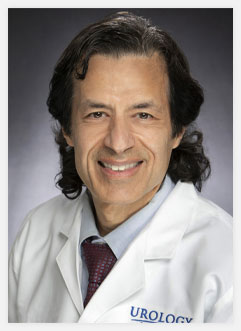 Rohit Kapoor, MD