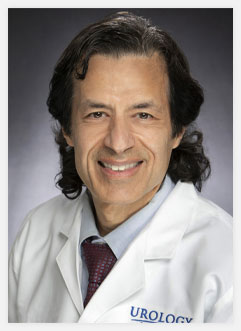
 Rohit Kapoor, MD
The Importance of Early and Ongoing Cancer Monitoring for Patients in San Antonio

Cancer is one of the most challenging health diagnoses a person can receive, but surviving cancer presents its own set of unique challenges. After completing initial treatment, many patients in San Antonio and throughout South Texas believe their cancer journey has ended. However, the reality is that cancer follow up care and monitoring represents a critical phase that can significantly impact long-term survival rates and quality of life.
Understanding the importance of ongoing cancer screening after treatment is essential for anyone who has faced this disease, and working with cancer recurrence monitoring specialists in San Antonio can provide peace of mind and better health outcomes.
The Reality of Cancer Recurrence and Why Monitoring Matters
One of the most important facts patients must understand is that cancer can return even after successful initial treatment. This recurrence can happen months or years after the original diagnosis, which is why cancer follow up care and monitoring must remain a priority throughout life. When cancer cells survive initial treatment, they may enter a dormant state, only to reactivate later. Without regular monitoring and screening, these returning cancer cells might go undetected until they have spread significantly, making treatment much more difficult and less effective.
The goal of ongoing cancer screening after treatment is to catch any recurrence as early as possible, when treatment options are often more successful and less invasive. Patients in San Antonio who maintain regular follow-up appointments with their oncologists have significantly better outcomes than those who skip or delay their monitoring appointments. Cancer recurrence monitoring specialists in San Antonio are trained to recognize the subtle signs and symptoms that might indicate cancer is returning, allowing for prompt intervention before the disease becomes more advanced or widespread.
Establishing a Comprehensive Follow-Up Care Plan
Every cancer patient’s follow-up plan should be personalized based on their specific diagnosis, stage of cancer, type of treatment received, and individual risk factors. In San Antonio, TX, comprehensive cancer follow up care and monitoring typically involves regular physical examinations, imaging studies, laboratory tests, and sometimes specialized procedures depending on the type of cancer. The frequency and type of monitoring will vary significantly based on the cancer type and individual circumstances.
A solid follow-up plan established immediately after treatment completion helps patients transition from active treatment to long-term surveillance. This plan should clearly outline what tests will be performed, how often appointments should occur, and what symptoms or changes warrant immediate medical attention. Patients in South Texas who work closely with their oncology team to develop these plans tend to feel more empowered in their recovery and are more likely to maintain consistent follow-up care. The plan should also address physical recovery, emotional wellness, and lifestyle modifications that can reduce the risk of recurrence.
The Role of Regular Imaging and Laboratory Testing
Imaging studies and laboratory tests form the backbone of ongoing cancer screening after treatment for patients throughout South Texas. Different cancers require different monitoring approaches. For example, breast cancer patients may require regular mammograms and MRI imaging, while colorectal cancer survivors might need periodic colonoscopies. Lung cancer patients may need CT scans, and ovarian cancer survivors might have regular ultrasounds and blood work monitoring.
Laboratory tests can detect specific tumor markers that may indicate cancer recurrence before physical symptoms appear. These blood tests and other laboratory examinations allow cancer recurrence monitoring specialists in San Antonio to identify potential problems at the earliest possible stage. Regular imaging can reveal small tumors before they cause symptoms or spread to other parts of the body. The combination of imaging and laboratory testing provides a comprehensive surveillance strategy that maximizes the chances of early detection. Patients should never skip these appointments, as consistency in monitoring is crucial for catching any changes in their health status promptly.
Managing Side Effects and Long-Term Health Complications
Cancer treatment can cause significant side effects that may persist long after treatment ends. These late effects can include fatigue, heart problems, cognitive changes, nerve damage, and increased risk of secondary cancers. A comprehensive cancer follow up care and monitoring program in San Antonio, TX addresses not only cancer recurrence but also these ongoing treatment-related complications. Managing these side effects improves quality of life and may also reduce the risk of serious health complications in the future.
Cancer recurrence monitoring specialists in San Antonio understand that true follow-up care extends beyond searching for cancer’s return. It includes monitoring for heart disease, lung problems, bone density loss, hormone-related issues, and other conditions that cancer treatment may have triggered. Patients in South Texas should discuss all persistent symptoms with their healthcare team, even those that seem unrelated to cancer. Some symptoms that appear minor might indicate developing complications that require intervention. Regular appointments provide opportunities to address these issues before they become severe, maintaining better overall health and functionality for cancer survivors.
Lifestyle Modifications and Survivorship Support in South Texas
Beyond medical monitoring, cancer survivors benefit tremendously from lifestyle modifications that can reduce recurrence risk and improve overall health. Exercise, proper nutrition, stress management, and avoiding tobacco and excessive alcohol consumption all play important roles in cancer survivorship. Cancer follow up care and monitoring in San Antonio increasingly includes counseling about these lifestyle factors, as research consistently shows they influence long-term outcomes.
Many cancer recurrence monitoring specialists in San Antonio now recommend that survivors participate in support groups, counseling, and survivorship programs specifically designed for people who have completed cancer treatment. These resources address the emotional and psychological aspects of survivorship, including anxiety about recurrence, depression, and the challenges of returning to normal life after cancer. Support groups in South Texas connect survivors with others who understand their experiences, reducing feelings of isolation and providing practical advice about managing life after cancer. Additionally, rehabilitation programs can help patients regain strength, address physical limitations caused by treatment, and improve overall fitness, which contributes to better long-term health outcomes.
Finding the Right Cancer Recurrence Monitoring Specialists in San Antonio
Selecting the right healthcare provider for ongoing cancer screening after treatment is vital for successful long-term survivorship. Patients in San Antonio should seek oncologists and cancer specialists who have experience with survivorship care and who take a comprehensive approach to monitoring. The best cancer recurrence monitoring specialists in San Antonio will take time to explain the follow-up plan, answer questions, and address concerns about recurrence and long-term health risks.
When searching for cancer follow up care and monitoring services in San Antonio, TX, patients should look for specialists affiliated with major cancer centers, those with strong credentials and experience, and providers who offer multidisciplinary care involving oncologists, nurses, and other healthcare professionals. Building a strong relationship with your oncology team ensures better communication, more personalized care, and greater likelihood of maintaining consistent follow-up appointments. Don’t hesitate to ask questions about your specific monitoring plan, and seek clarification about any aspects of your ongoing cancer screening after treatment. Your healthcare team should be supportive and willing to help you navigate survivorship successfully.
Conclusion
Cancer follow up care and monitoring represents one of the most important phases of cancer treatment, yet it is often overlooked or minimized by survivors eager to move past their diagnosis. Patients throughout South Texas who commit to ongoing cancer screening after treatment, work with cancer recurrence monitoring specialists in San Antonio, and maintain regular appointments significantly improve their chances of catching any recurrence early and maintaining their best possible health. By understanding the critical importance of consistent follow-up care and actively participating in your survivorship plan, you take control of your health and give yourself the best opportunity for a long, healthy life after cancer.