 Rohit Kapoor, MD
Navigating Your Journey: What to Expect After a Urologic Cancer Diagnosis
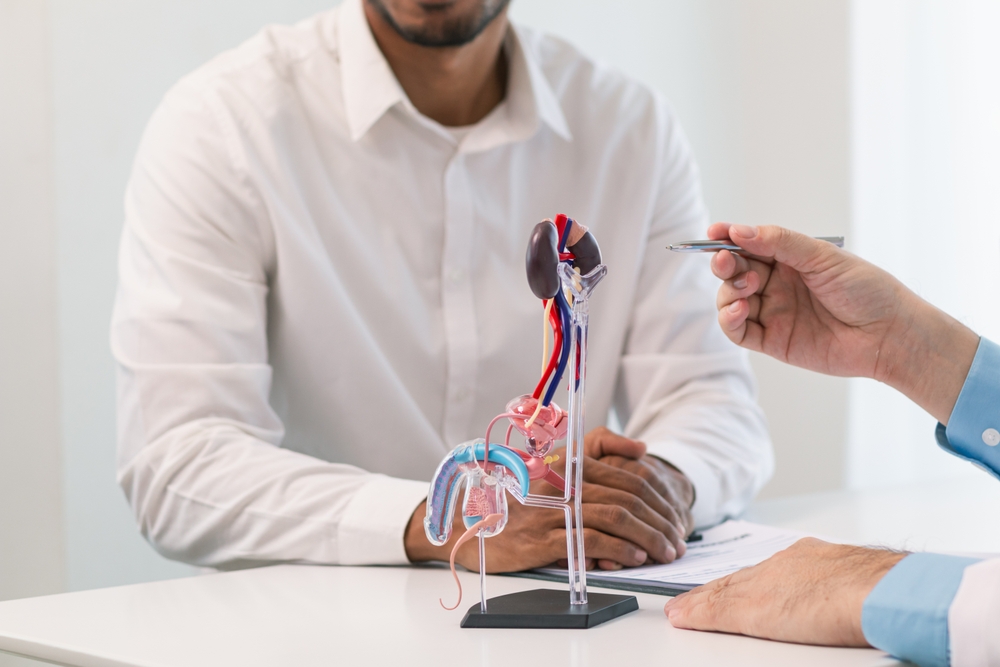
A cancer diagnosis can feel overwhelming. Whether you live near Alamo Heights, Stone Oak, The Dominion, or elsewhere across Bexar County, hearing the words “you have cancer” often brings uncertainty, fear, and countless questions about what comes next.
For many local residents diagnosed with kidney, prostate, or bladder cancer, the first few weeks after diagnosis are filled with medical appointments, treatment discussions, and emotional adjustments. Understanding the process ahead can help you feel more prepared and empowered as you begin your treatment journey.
Urologic cancer treatment in San Antonio typically begins with confirming the diagnosis, understanding the cancer’s stage and extent, reviewing treatment options, and building a personalized care plan. Patients often work closely with a multidisciplinary team that addresses both medical treatment and supportive services designed to improve overall well-being throughout care.
What Patients and Families Should Know Early On
- A diagnosis is only the beginning of the evaluation process. Additional testing often helps determine the most appropriate treatment approach.
- Many patients benefit from seeking a second opinion before making major treatment decisions, especially when multiple treatment options are available.
- Family members and caregivers play an important role in helping patients understand information, attend appointments, and provide emotional support.
- Urologic cancer treatment in San Antonio may include surgery, surveillance, targeted therapies, immunotherapy, or other advanced treatment approaches depending on the diagnosis.
- Addressing nutrition, emotional health, and quality of life can be just as important as treating the cancer itself.
Why Urologic Cancer Care Matters in San Antonio
Urologic cancers, including prostate, kidney, and bladder cancer, affect thousands of individuals each year. In a growing metropolitan area like San Antonio, access to experienced specialists is particularly important because treatment decisions can significantly influence outcomes and quality of life.
Residents throughout Bexar County often seek care close to home so they can maintain support systems, minimize travel stress, and stay connected with family throughout treatment. Local access to specialized oncology expertise can make a meaningful difference during an already challenging time.
At Cancer Center, we understand that cancer affects far more than physical health. Patients frequently face emotional concerns, lifestyle changes, and questions about the future. Our goal is to help individuals understand their options while supporting the whole person throughout treatment and recovery.
Receiving a diagnosis can leave patients feeling like they must make immediate decisions. In reality, many situations allow time to gather information, ask questions, and carefully evaluate treatment recommendations before moving forward.
A clear understanding of the process can reduce anxiety and help patients feel more confident in the decisions ahead.
Understanding what happens after diagnosis helps patients make informed decisions and participate actively in their care. Early evaluation, expert guidance, and comprehensive support services can help individuals navigate treatment with greater confidence. Local access to experienced specialists allows patients to receive advanced care while remaining close to family and community support systems.
Important Considerations for Local Patients
- Prostate, kidney, and bladder cancers each require different treatment approaches based on individual circumstances.
- Treatment recommendations are often influenced by cancer stage, overall health, age, and patient goals.
- Many patients benefit from nutritional support and wellness guidance during treatment.
- Family involvement frequently improves communication and support throughout the care journey.
- Seeking treatment close to home can reduce logistical challenges and improve continuity of care.
- San Antonio’s growing healthcare community provides access to specialized cancer resources and services.
If you or a loved one has recently received a diagnosis, learning about your options is one of the most important first steps.
What Happens During the Initial Evaluation?
The initial evaluation after a urologic cancer diagnosis focuses on confirming details about the cancer and determining the most appropriate treatment path. Additional imaging, laboratory testing, biopsies, or pathology reviews may be recommended to provide a complete picture of the disease.
For patients in San Antonio, this stage often includes discussions about:
- Cancer type and location
- Cancer stage and grade
- Treatment goals
- Potential benefits and risks of treatment options
- Expected recovery timelines
- Long-term quality-of-life considerations
These conversations help create a personalized roadmap tailored to each patient’s needs.
How a Cancer Diagnosis Impacts Daily Life
A urologic cancer diagnosis can affect emotional health, family relationships, work responsibilities, and daily routines. While every experience is different, uncertainty is often one of the most difficult challenges patients face during the early stages of care.
Individuals throughout the greater San Antonio area frequently report concerns about treatment side effects, future independence, financial considerations, and maintaining normal activities. Addressing these concerns early allows patients to focus more effectively on treatment and recovery.
Supportive resources, education, and open communication with healthcare providers can significantly reduce stress throughout the process.
Professional Perspective on Navigating Treatment Decisions
Treatment decisions are most effective when patients understand all available options and feel comfortable asking questions. Taking time to learn about the diagnosis, potential outcomes, and treatment recommendations can help individuals make informed choices aligned with their personal goals.
One common misconception is that all cancers require the same treatment approach. In reality, prostate cancer, kidney cancer, and bladder cancer often involve very different strategies depending on the specifics of the case.
Another important consideration is that successful cancer care extends beyond medical treatment alone. Nutrition, physical activity, emotional wellness, and social support frequently contribute to a patient’s overall experience and recovery.
Signs You Need Additional Guidance After Diagnosis
Patients should consider seeking additional support when they experience:
- Confusion about treatment recommendations
- Difficulty understanding medical terminology
- Uncertainty about whether a second opinion is appropriate
- Anxiety that interferes with decision-making
- Questions about lifestyle changes during treatment
- Concerns about nutrition or wellness
- Difficulty coordinating appointments or care plans
Waiting too long to address these concerns can increase stress and make the treatment journey feel more difficult than necessary.
When Should You Seek a Specialist’s Opinion?
Patients should seek a specialist’s opinion whenever they want greater clarity about their diagnosis, treatment options, or expected outcomes. A second opinion can be particularly valuable when multiple treatment approaches are available.
Many residents throughout Bexar County choose to consult with experienced urologic oncology specialists before committing to a treatment plan. This additional perspective can help confirm recommendations and provide greater confidence moving forward.
If you are uncertain about your next step, discussing your options with an experienced specialist may help.
Common Challenges Following a Urologic Cancer Diagnosis
Several factors commonly affect patients during the early stages of care:
- Information overload from multiple medical appointments.
- Emotional stress associated with uncertainty.
- Concerns about treatment side effects.
- Balancing work and family responsibilities.
- Understanding complex treatment recommendations.
- Navigating insurance and logistical considerations.
Recognizing these challenges is the first step toward addressing them effectively.
Supporting Your Health Throughout Treatment
Supporting overall health during treatment often includes maintaining proper nutrition, staying physically active when appropriate, following medical recommendations, and prioritizing emotional well-being.
Patients throughout South Texas frequently benefit from individualized guidance that addresses both treatment-related concerns and lifestyle factors that may influence recovery and quality of life.
While every patient’s journey is unique, a holistic approach can help individuals feel more engaged and empowered throughout care.
What Results Can Patients Realistically Expect?
Treatment outcomes vary based on cancer type, stage, overall health, and treatment approach. Many patients successfully complete treatment and return to normal activities, while others may require ongoing monitoring and follow-up care.
The most important expectation is that treatment plans are designed to achieve the best possible outcome while considering the patient’s personal goals, quality of life, and long-term health.
Insight for Newly Diagnosed Patients
One of the most valuable steps after diagnosis is taking time to organize questions before appointments. Patients who arrive prepared often feel more confident and better informed when discussing treatment options with their healthcare team.
Common Mistakes to Avoid After Diagnosis
Mistake: Rushing into treatment without fully understanding available options.
Consequence: Increased uncertainty and potential regret.
Better approach: Ask questions and seek clarification before making decisions.
Mistake: Ignoring emotional health.
Consequence: Increased stress and difficulty coping with treatment.
Better approach: Utilize support systems and professional resources.
Mistake: Relying solely on online information.
Consequence: Confusion from conflicting or inaccurate sources.
Better approach: Discuss concerns with qualified medical professionals.
A Common Local Scenario
Consider a recently retired San Antonio resident diagnosed with localized prostate cancer during a routine screening. Initially overwhelmed by the diagnosis, the patient sought additional education, discussed options with family members, and obtained a specialist consultation.
Through a careful review process, the patient gained a clearer understanding of treatment choices and felt more confident moving forward with a personalized plan. While every case differs, this scenario reflects the importance of informed decision-making after diagnosis.
Treatment and Support Services That Can Help
Urologic cancer treatment in San Antonio may include a range of services depending on individual needs. These can include surgical treatment, ongoing surveillance, advanced oncology therapies, nutritional counseling, survivorship planning, and supportive care resources.
A comprehensive approach helps ensure that patients receive both clinical expertise and the personal support needed throughout their cancer journey.
If you are exploring your options, learning about available treatment and support services can provide valuable clarity.
Comparing Your Next Steps
After diagnosis, patients generally have several paths available:
- Proceed directly with a recommended treatment plan.
- Obtain a second opinion for additional perspective.
- Pursue additional testing before deciding.
- Explore supportive services to help prepare for treatment.
The right choice depends on the diagnosis, personal priorities, and comfort level with the information available.
Serving Patients Throughout the Greater San Antonio Area
We proudly serve patients throughout San Antonio, Stone Oak, Alamo Heights, Shavano Park, The Dominion, Helotes, Boerne, and surrounding communities across Bexar County. Familiarity with the local healthcare landscape allows us to help patients access specialized care while remaining close to home and family support systems.
The Cost of Delaying Important Decisions
Delaying follow-up appointments or postponing important conversations about treatment can increase uncertainty and create unnecessary stress. While many patients have time to carefully evaluate options, maintaining momentum during the diagnostic and planning process is important.
Timely communication with experienced specialists helps ensure that patients have the information needed to make confident, informed decisions.
If you have recently received a diagnosis and still have unanswered questions, now may be the right time to explore your options.
Frequently Asked Questions
How soon should I see a specialist after a urologic cancer diagnosis?
Most patients should schedule a specialist consultation as soon as reasonably possible. Early evaluation helps clarify treatment options and provides time to make informed decisions without unnecessary delays.
Is a second opinion recommended for urologic cancer treatment in San Antonio?
Yes. Many patients benefit from a second opinion, especially when multiple treatment options exist. A second opinion can help confirm recommendations and increase confidence in the chosen plan.
What cancers are considered urologic cancers?
Urologic cancers commonly include prostate cancer, kidney cancer, bladder cancer, and certain cancers affecting the urinary tract and male reproductive system.
Will I need surgery?
Not necessarily. Treatment recommendations depend on the type, stage, and characteristics of the cancer. Some patients require surgery, while others may benefit from surveillance or alternative therapies.
Can nutrition affect cancer treatment?
Nutrition can play an important role in supporting overall health, energy levels, and recovery throughout treatment. Many patients benefit from professional nutritional guidance.
How can family members help after diagnosis?
Family members can attend appointments, assist with research, provide emotional support, help coordinate care, and participate in treatment discussions when appropriate.
Are treatment plans personalized?
Yes. Modern cancer care is highly individualized and considers factors such as diagnosis, cancer stage, overall health, lifestyle, and personal treatment goals.
Why choose local cancer care?
Receiving care close to home often makes treatment more convenient and allows patients to remain connected to family, friends, and support systems throughout their journey.
A urologic cancer diagnosis can feel overwhelming, but you do not have to navigate it alone. With expert guidance, clear information, and comprehensive support, patients throughout the region can move forward with greater confidence and peace of mind.
Compassionate Guidance for Your Next Step
Receiving a diagnosis is challenging, but understanding your options can make the path ahead clearer. Our team combines decades of urologic oncology experience with a patient-centered approach focused on both treatment and overall well-being.