A cancer diagnosis can make it feel like every decision is suddenly out of your hands. Between appointments, treatments, and managing side effects, many patients and families across San Antonio are looking for practical ways to regain a sense of control and actively support recovery.

One area that often gets overlooked is nutrition. While food is not a substitute for cancer treatment, nutritional counseling can play an important role in helping patients maintain strength, manage symptoms, and support overall well-being throughout their cancer journey.

Nutritional counseling supports cancer recovery by helping patients maintain adequate nutrition, manage treatment-related side effects, preserve strength, and improve quality of life. For many individuals in San Antonio, personalized nutrition guidance becomes an important part of comprehensive cancer care alongside chemotherapy, radiation therapy, surgery, and other medical treatments.

What Patients and Families Should Know

  • Nutritional counseling can help address common treatment side effects such as nausea, appetite changes, fatigue, and unintended weight loss.
  • A personalized nutrition plan can help patients maintain strength and energy during active cancer treatment.
  • Family caregivers often benefit from professional guidance on preparing meals that support recovery and meet changing nutritional needs.
  • Nutritional counseling for cancer patients in San Antonio provides individualized recommendations rather than one-size-fits-all diet advice.
  • Long-term survivors may use nutrition strategies to support overall wellness after completing treatment.

Why Nutrition Matters for Cancer Recovery in South Texas

Nutrition plays a critical role in supporting cancer patients throughout treatment and recovery. In San Antonio and throughout Bexar County, patients often face unique challenges related to climate, lifestyle, and access to reliable health information.

The hot South Texas climate can contribute to dehydration, especially for patients experiencing treatment-related side effects. At the same time, conflicting nutrition advice online can make it difficult for patients and caregivers to know which recommendations are safe and evidence-based.

Many individuals undergoing treatment discover that maintaining adequate nutrition becomes more difficult than expected. Changes in taste, appetite loss, digestive issues, and fatigue can all affect daily eating habits. This is where professional nutritional counseling becomes valuable.

At Rohit Kapoor, MD Cancer Center, we believe cancer care extends beyond medical treatment alone. Our approach focuses on the whole patient, helping individuals build strength from the inside out through personalized support that complements their oncology care plan.

Cancer recovery is not only about treating the disease. It is also about helping patients maintain the physical resilience needed to navigate treatment and recovery successfully.

Nutritional counseling provides patients with practical strategies tailored to their diagnosis, treatment plan, symptoms, and personal goals. Rather than following generic diet trends, patients receive guidance designed specifically for their situation.

Nutritional counseling helps cancer patients maintain strength, manage symptoms, and support recovery throughout treatment and survivorship. Personalized nutrition plans can improve daily functioning while complementing traditional oncology care. Family caregivers also benefit from expert guidance that helps them prepare supportive meals and navigate changing nutritional needs.

Recovery Challenges Cancer Patients Face Across the Region

  • Many patients experience nausea, appetite loss, or taste changes during treatment.
  • Fatigue can make grocery shopping, cooking, and meal preparation more difficult.
  • Weight loss and muscle loss may occur if nutritional needs are not adequately met.
  • Caregivers often struggle to identify foods that are both appealing and nutritionally appropriate.
  • Long-term survivors may need guidance as they transition from active treatment into wellness-focused recovery.
  • Nutrition needs can change significantly throughout different stages of care.

If you are exploring ways to support your health during treatment or recovery, professional nutritional counseling can help you better understand your options and develop a plan that aligns with your medical care.

What Evidence Supports Nutritional Counseling During Cancer Care?

Nutritional counseling during cancer care is supported by established oncology and nutrition guidelines that recognize the importance of maintaining adequate nutrition throughout treatment and recovery.

Organizations such as the National Cancer Institute and major oncology associations consistently emphasize the role of nutrition in helping patients maintain strength, preserve muscle mass, and manage treatment-related side effects. While nutrition cannot cure cancer, it can significantly influence a patient’s ability to tolerate treatment and maintain quality of life.

Many cancer centers now incorporate nutrition professionals into multidisciplinary care teams because nutritional challenges are common throughout the cancer journey.

How Nutrition Affects Daily Life During Treatment

Nutrition affects daily life during treatment by influencing energy levels, physical strength, hydration, and symptom management.

For patients throughout the San Antonio metro area, nutritional challenges can impact everything from attending appointments to participating in family activities. Poor nutrition may contribute to fatigue, weakness, and difficulty maintaining a healthy weight.

Conversely, an individualized nutrition plan may help patients better manage treatment demands while supporting their overall well-being throughout recovery.

Professional Insights on Patient Empowerment Through Nutrition

Nutritional counseling empowers patients by giving them practical actions they can take to support their health alongside medical treatment.

One of the most common misconceptions we encounter is the belief that there is a single “cancer diet” that works for everyone. In reality, nutritional needs vary significantly depending on diagnosis, treatment type, symptoms, and individual health considerations.

Our goal is to help patients make informed, realistic choices that support their treatment plan rather than creating additional stress or confusion.

Signs You May Benefit From Nutritional Counseling

Patients may benefit from nutritional counseling if they are experiencing nutritional challenges, treatment side effects, or uncertainty about dietary choices.

Common signs include:

  • Unintentional weight loss
  • Reduced appetite
  • Persistent nausea
  • Difficulty swallowing
  • Changes in taste or smell
  • Ongoing fatigue
  • Questions about supplements or special diets
  • Caregiver concerns about meal planning

Waiting too long to address nutrition challenges can make it more difficult to maintain strength and energy throughout treatment.

When It Is Time to Seek Professional Guidance

Professional nutritional guidance is appropriate whenever eating challenges begin affecting health, comfort, or quality of life.

Patients can generally monitor minor appetite fluctuations on their own. However, persistent weight loss, difficulty eating, significant dietary restrictions, or treatment-related symptoms warrant evaluation by qualified healthcare professionals.

Because every cancer journey is different, individualized recommendations are often more effective than generalized online advice.

If you are struggling with treatment-related nutrition concerns, now is the time to learn what supportive resources are available.

Common Nutritional Challenges During Cancer Recovery

Treatment-related side effects are among the most common causes of nutrition difficulties during cancer recovery.

The challenges we frequently see include:

  1. Nausea and digestive discomfort
  2. Appetite loss
  3. Taste and smell changes
  4. Fatigue that affects meal preparation
  5. Weight loss and muscle loss
  6. Difficulty maintaining hydration
  7. Confusion about supplements and special diets

Each of these issues requires individualized strategies that account for the patient’s overall treatment plan and health status.

Practical Steps Patients Can Take

Prevention starts with maintaining consistent communication about nutritional concerns before they become serious problems.

Helpful strategies may include:

  • Staying hydrated throughout the day
  • Eating smaller meals more frequently
  • Tracking symptoms that affect eating
  • Discussing supplements with healthcare providers
  • Seeking professional nutrition guidance early
  • Involving caregivers in meal planning discussions

Patients should remember that nutrition plans often need adjustment as treatment progresses.

What Results Can Patients Realistically Expect?

Patients can realistically expect nutritional counseling to provide personalized guidance that supports symptom management, strength maintenance, and overall quality of life.

Results vary based on individual circumstances, but many patients gain greater confidence in their dietary choices and develop practical strategies for managing treatment-related challenges.

The goal is not perfection. The goal is creating sustainable habits that support health and recovery.

Expert Insight

Patients often feel more confident and engaged in their care when they understand how nutrition fits into their overall treatment plan. Small, personalized adjustments are frequently more effective than drastic dietary changes.

Common Nutrition Mistakes to Avoid

Mistakes during cancer recovery often stem from misinformation rather than a lack of effort.

Common examples include:

  • Following restrictive diets without medical guidance
  • Eliminating entire food groups unnecessarily
  • Relying on internet trends instead of professional recommendations
  • Ignoring significant weight changes
  • Taking supplements without discussing them with the oncology team

A better approach is working with healthcare professionals who understand both nutrition and cancer care.

A Common Local Scenario

A common local scenario involves a patient undergoing chemotherapy who experiences appetite loss and significant fatigue.

Without guidance, the patient may struggle to maintain adequate nutrition. Through nutritional counseling, they receive individualized recommendations, meal planning strategies, and practical approaches to managing symptoms.

As a result, they often feel more confident about meeting nutritional goals while continuing treatment.

How Nutritional Counseling Fits Into Comprehensive Cancer Care

Nutritional counseling supports comprehensive cancer care by addressing physical, practical, and lifestyle factors that influence recovery.

Alongside medical oncology services, nutrition support can help patients:

  • Manage treatment side effects
  • Maintain strength and energy
  • Improve dietary confidence
  • Support long-term wellness goals
  • Create sustainable habits after treatment

This whole-patient approach helps distinguish personalized cancer care from models focused solely on medical interventions.

If you are interested in learning how nutrition may support your treatment or recovery journey, our team can help you understand your options.

Comparing Nutrition Advice Sources

Professional nutritional counseling offers individualized guidance, while general online resources provide broad information.

Online articles may be useful for education, but they cannot account for specific diagnoses, medications, treatment plans, or symptom patterns. Personalized counseling helps ensure recommendations align with each patient’s unique needs.

Serving Patients Throughout the Greater San Antonio Area

Our team serves patients from throughout San Antonio, Alamo Heights, Stone Oak, Helotes, Shavano Park, Leon Valley, and surrounding communities across Bexar County.

Because local patients often face similar treatment and recovery concerns, we focus on providing supportive care that addresses both medical and lifestyle needs.

The Cost of Ignoring Nutritional Challenges

Ignoring nutritional challenges can contribute to worsening fatigue, weight loss, reduced strength, and decreased quality of life.

When nutritional issues remain unaddressed, patients may find it more difficult to maintain daily activities and tolerate treatment demands. Early intervention often provides more opportunities to support overall well-being.

If you are experiencing ongoing nutrition concerns, seeking guidance sooner rather than later may help you avoid preventable setbacks during recovery.

FAQ

What is nutritional counseling for cancer patients in San Antonio?

Nutritional counseling for cancer patients in San Antonio involves personalized dietary guidance designed to support treatment, recovery, and overall well-being. Recommendations are tailored to the individual’s diagnosis, symptoms, treatment plan, and health goals.

Can nutrition replace cancer treatment?

No, nutrition cannot replace cancer treatment. Nutritional counseling is intended to complement evidence-based medical care and help patients maintain strength, manage side effects, and support recovery.

When should cancer patients seek nutritional counseling?

Cancer patients should seek nutritional counseling whenever they experience appetite changes, weight loss, nausea, fatigue, or uncertainty about dietary choices. Early support can help address concerns before they become more significant.

Can caregivers participate in nutritional counseling sessions?

Yes, caregivers often benefit from participating. Family members who help with grocery shopping, meal preparation, and daily support can gain valuable guidance that improves confidence and consistency at home.

Is nutritional counseling helpful after treatment ends?

Yes, nutritional counseling can remain valuable after treatment ends. Many survivors use nutrition guidance to support wellness goals, rebuild strength, and establish long-term healthy habits.

How personalized are nutrition recommendations?

Nutrition recommendations are highly personalized. Factors such as diagnosis, treatment type, symptoms, medications, and personal preferences all influence the guidance provided.

What nutrition concerns are most common during treatment?

Common concerns include nausea, appetite loss, taste changes, fatigue, weight loss, hydration challenges, and questions about supplements or special diets.

Why is a whole-patient approach important?

A whole-patient approach recognizes that recovery involves more than medical treatment alone. Addressing nutrition, lifestyle factors, and supportive care needs can help patients feel more empowered throughout their cancer journey.

Cancer recovery is a deeply personal journey, and every patient deserves support that extends beyond treatment alone. By combining evidence-based oncology care with personalized nutritional guidance, patients can take meaningful steps toward maintaining strength, confidence, and overall well-being.

Support Your Recovery With Personalized Guidance

You do not have to navigate nutrition questions alone. Our team is committed to helping patients and families better understand their options and build a personalized plan that complements their medical care.
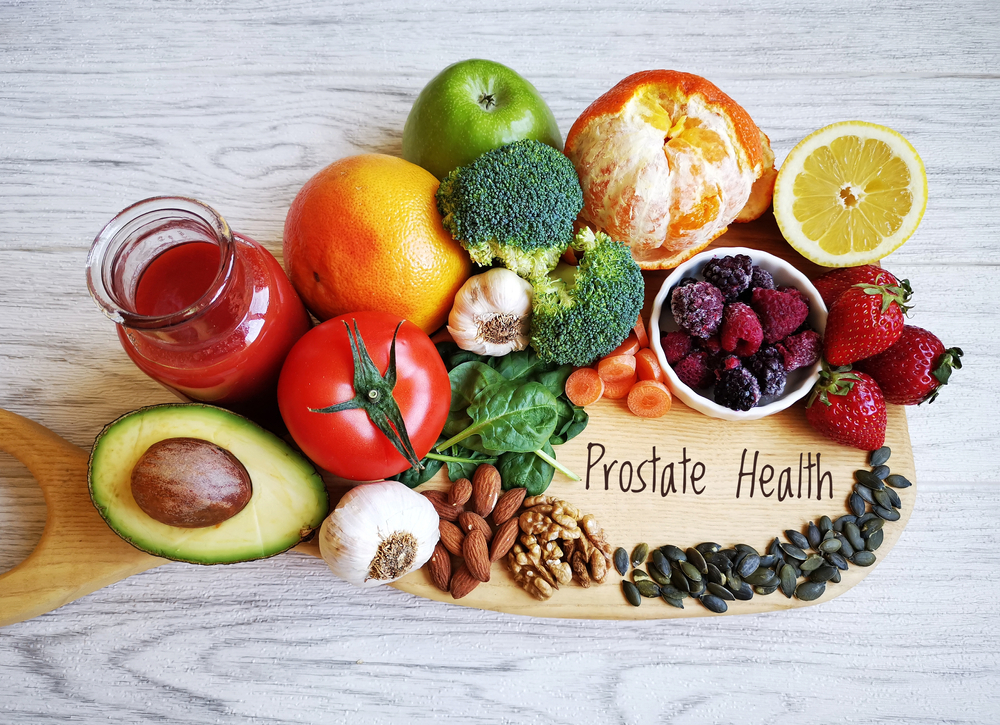

When someone receives a prostate cancer diagnosis, the focus often centers on treatment options like surgery, radiation, or chemotherapy. While these approaches are crucial to cancer care, nutrition also plays an important role in supporting patients’ overall health. Prostate cancer nutrition counseling provides patients with a structured plan to manage their diet in a way that promotes healing, maintains strength, and potentially reduces the side effects of treatment.

Nutrition counseling is not a one-size-fits-all approach. Every patient has unique needs based on age, stage of cancer, type of treatment, and overall health. In San Antonio, where diverse communities live with varying dietary habits and access to resources, personalized nutrition counseling becomes especially valuable. With the guidance of a registered dietitian who understands cancer care, patients can learn how to balance their meals, stay energized, and reduce inflammation. These steps contribute to improving not only survival rates but also quality of life.

Nutrition also influences long-term outcomes. Research indicates that diets rich in plant-based foods, whole grains, and lean proteins may reduce the risk of prostate cancer progression. Meanwhile, limiting saturated fats, processed meats, and excessive dairy can support a healthier body environment. For patients in San Antonio, incorporating these principles into culturally familiar meals can make the transition easier and more sustainable.

The Unique Needs of Prostate Cancer Patients in San Antonio

San Antonio has a vibrant mix of cultural influences that shape dietary preferences. For many local families, meals are rich in traditional Mexican and Tex-Mex dishes, which may include higher levels of fats, sodium, and processed carbohydrates. While these foods are flavorful and comforting, they may not align with the nutritional guidelines often recommended for prostate cancer patients. This is where nutrition counseling bridges the gap between cultural traditions and health needs.

Nutrition counselors in San Antonio work with patients to adapt traditional recipes into healthier versions. For example, swapping fried tortillas for baked alternatives or incorporating more vegetables into stews and casseroles can make meals more nutrient-dense without sacrificing cultural identity. This personalized approach helps patients feel connected to their heritage while improving their health.

The city also faces unique healthcare challenges. Prostate cancer disproportionately affects older men, and San Antonio has a significant population of aging veterans and retirees. Many patients may also be managing additional health conditions such as diabetes, obesity, or cardiovascular disease, which are prevalent in the region. Nutrition counseling takes these co-existing conditions into account, ensuring that dietary strategies address the whole person rather than just the cancer.

Access to resources is another consideration. Some neighborhoods in San Antonio have limited access to fresh produce or rely heavily on convenience stores. Counselors can help patients identify affordable and realistic options for purchasing or preparing nutritious meals. By tailoring advice to each patient’s circumstances, prostate cancer nutrition counseling makes a meaningful difference in daily life.

Enhancing Cancer Care Through Nutrition Counseling

Cancer treatment often places significant stress on the body, and side effects such as fatigue, nausea, and weight changes can make eating difficult. Nutrition counseling helps patients manage these challenges by providing practical strategies for meal planning and symptom relief.

For instance, if radiation therapy causes gastrointestinal discomfort, a counselor might recommend smaller, more frequent meals that are easier to digest. If chemotherapy leads to changes in taste, they may suggest experimenting with herbs and spices to improve flavor without adding excessive salt or sugar. These small adjustments can make eating enjoyable again, which is essential for maintaining adequate nutrition during treatment.

Nutrition counseling also supports immune function. A balanced diet that emphasizes antioxidants, vitamins, and minerals helps the body repair tissues and fight infection. This is particularly important for patients whose immune systems are compromised by treatment. In San Antonio, where seasonal allergies and respiratory conditions are common, strengthening the immune system through diet is an added advantage.

Hydration is another critical component of cancer care. Counselors emphasize the importance of adequate fluid intake to flush toxins from the body, maintain kidney function, and prevent dehydration. They often recommend water, herbal teas, and broths, while cautioning against sugary drinks that can contribute to weight gain or exacerbate diabetes.

By integrating nutrition counseling into cancer care, patients in San Antonio gain a more holistic approach to healing. Treatment becomes more manageable, recovery is often smoother, and long-term health outcomes are improved.

Psychological and Emotional Benefits of Nutrition Counseling

The impact of nutrition counseling extends beyond physical health. A prostate cancer diagnosis can cause emotional distress, anxiety, and uncertainty. Patients may feel a loss of control over their bodies and their future. Nutrition counseling restores some of that control by giving patients actionable steps they can take to support their well-being.

Learning how to make healthier food choices provides a sense of empowerment. Instead of feeling passive during treatment, patients can actively contribute to their recovery. This empowerment often leads to better adherence to treatment plans and improved overall outlook.

In addition, food plays a central role in family and community life, especially in a culturally rich city like San Antonio. Sharing meals with loved ones is a source of comfort and connection. Nutrition counseling helps patients maintain these traditions while aligning them with their health goals. By involving family members in the process, counselors encourage a supportive environment that benefits everyone at the table.

There is also a psychological benefit to reducing uncertainty. Many patients turn to the internet or anecdotal advice for dietary guidance, which can lead to confusion or misinformation. A professional counselor provides evidence-based recommendations, reducing stress and ensuring that patients follow safe and effective practices. This clarity contributes to peace of mind during an otherwise overwhelming journey.

Why San Antonio Is Leading the Way in Integrative Cancer Care

San Antonio is home to world-class medical institutions and cancer care centers that emphasize a comprehensive approach to treatment. Nutrition counseling has become an integral part of these programs, reflecting a growing recognition that health outcomes depend on more than just medical interventions.

Local hospitals and cancer centers often employ registered dietitians who specialize in oncology nutrition. These professionals collaborate closely with oncologists, nurses, and therapists to create individualized care plans. This team-based approach ensures that dietary strategies align with the medical treatments patients receive.

San Antonio also benefits from community resources that promote healthy living. Farmers’ markets, wellness programs, and support groups provide patients with opportunities to practice what they learn in counseling sessions. By connecting patients to these resources, counselors extend the reach of care beyond the clinic.

Furthermore, research initiatives in the region continue to explore the link between nutrition and cancer outcomes. Participation in clinical trials or educational programs allows patients to stay informed about emerging strategies in cancer nutrition. This access to cutting-edge knowledge positions San Antonio as a leader in integrative cancer care, where nutrition counseling is recognized as a vital tool for supporting prostate cancer patients.

The city’s commitment to holistic healthcare reflects its broader mission to improve quality of life for all residents. By investing in services like nutrition counseling, San Antonio ensures that prostate cancer patients receive not only advanced medical treatment but also the everyday support needed to thrive.

Conclusion

Prostate cancer nutrition counseling offers significant benefits for patients in San Antonio. It provides personalized guidance that addresses cultural preferences, co-existing health conditions, and access to resources. By helping patients manage treatment side effects, maintain strength, and support immune function, nutrition counseling enhances the effectiveness of cancer care.

Beyond the physical advantages, nutrition counseling also delivers psychological comfort, empowerment, and clarity. Patients regain a sense of control and find ways to maintain their cultural and family traditions while prioritizing health.

San Antonio stands out as a city that values integrative cancer care, with institutions and professionals who recognize the critical role of nutrition in healing. For prostate cancer patients, this combination of medical expertise and personalized nutrition support creates a pathway to better outcomes and improved quality of life.

Nutrition counseling is not merely an add-on to cancer treatment; it is a core component of comprehensive care. For patients in San Antonio, embracing this resource can make a profound difference in their journey through prostate cancer and beyond.

Cancer is a life-altering diagnosis that affects not just the physical body but also the emotional and psychological well-being of patients. Providing emotional support for cancer patients is a crucial aspect of cancer care, ensuring that they can navigate the challenges of treatment, recovery, and beyond with resilience and hope.

This blog explores the various dimensions of emotional support for cancer patients, including the importance of holistic cancer care, specific strategies to offer support, and resources available to patients and their families.

Understanding the Emotional Impact of Cancer

The Psychological Burden of a Cancer Diagnosis

A cancer diagnosis often comes with a whirlwind of emotions: fear, anxiety, anger, and grief. Patients grapple with uncertainty about their prognosis, the side effects of treatment, and the potential impact on their loved ones.

These emotions are normal and expected, but when left unaddressed, they can escalate into mental health issues such as depression and anxiety disorders. Recognizing the psychological burden early is a fundamental step in providing effective emotional support.

Social Challenges and Isolation

Cancer patients may also face social challenges. Treatment schedules, physical limitations, and the stigma surrounding cancer can lead to feelings of isolation and loneliness. Friends and family members may struggle to find the right words or actions to support the patient, adding to the emotional strain.

The Role of Holistic Cancer Care

Holistic cancer care integrates physical, emotional, and spiritual support, addressing the patient as a whole rather than focusing solely on the disease. This approach emphasizes the importance of emotional well-being as part of the healing process, recognizing that a positive mental state can complement medical treatments and improve overall outcomes.

Strategies for Providing Emotional Support

Open Communication

One of the most effective ways to support a cancer patient is through open and honest communication. Encourage the patient to express their feelings and concerns without fear of judgment. Active listening, empathy, and validating their emotions can create a safe space for them to share their experiences.

Tips for Effective Communication

Building a Support Network

A strong support network can significantly alleviate the emotional burden of cancer. Friends, family members, support groups, and professional counselors can all play a role in providing comfort and encouragement.

The Role of Support Groups

Support groups offer a unique space for cancer patients to connect with others who share similar experiences. These groups provide emotional validation, practical advice, and a sense of community that can combat feelings of isolation.

Integrating Mental Health Services

Mental health professionals, such as therapists and counselors, are valuable resources for cancer patients. They can help individuals develop coping mechanisms, process their emotions, and navigate the psychological challenges of cancer care.

Therapy Modalities for Cancer Patients

Encouraging Self-Care

Cancer treatment can be physically and emotionally draining, making self-care essential. Encourage patients to prioritize activities that bring them joy, relaxation, and a sense of normalcy.

Self-Care Ideas

The Role of Caregivers in Emotional Support

Recognizing the Caregiver’s Impact

Caregivers play a pivotal role in supporting cancer patients, often taking on responsibilities that extend beyond physical care. They provide emotional stability, practical assistance, and a listening ear, all of which are vital for the patient’s well-being.

Addressing Caregiver Burnout

While caregivers offer invaluable support, they are also at risk of burnout. It’s important to ensure that caregivers have access to their own emotional and physical support systems to sustain their ability to care for others effectively.

Support Strategies for Caregivers

Holistic Cancer Care: A Comprehensive Approach

The Integration of Mind and Body

Holistic cancer care emphasizes the connection between emotional well-being and physical health. By addressing both aspects simultaneously, patients can experience a more balanced and fulfilling healing journey.

Complementary Therapies

Spiritual and Existential Support

For many patients, cancer prompts profound existential questions. Spiritual support, whether through faith-based practices or philosophical exploration, can provide comfort and meaning during this challenging time.

Resources for Spiritual Support

Resources for Emotional Support

Professional Support Services

Numerous organizations specialize in providing emotional support for cancer patients. These resources often include counseling, support groups, and educational materials.

Notable Organizations

Online Support Communities

The digital age has made it easier for cancer patients to connect with others globally. Online forums, social media groups, and virtual support meetings can be valuable resources for emotional connection.

Benefits of Online Communities

The Importance of Personalizing Emotional Support

Every Patient is Unique

No two cancer patients experience their journey in the same way. Personalizing emotional support based on the patient’s individual needs, preferences, and cultural background is key to making a meaningful impact.

Tailored Approaches

The Role of Healthcare Providers

Creating a Compassionate Care Environment

Healthcare providers play a critical role in delivering holistic cancer care. By fostering a compassionate and patient-centered environment, they can help ease the emotional burden of treatment.

Best Practices for Providers

Ongoing Training for Emotional Support

Providing emotional support is a skill that can be developed through training. Workshops and seminars on empathy, active listening, and cultural competence can enhance the ability of healthcare professionals to address patients’ emotional needs.

Conclusion

Emotional support is an essential component of cancer care, enabling patients to navigate their journey with strength, resilience, and hope. By embracing holistic cancer care, integrating mental health services, and fostering strong support networks, we can create a nurturing environment that addresses the multifaceted challenges of cancer.

Whether you’re a patient, caregiver, or healthcare provider, prioritizing emotional well-being is a step toward healing that transcends the physical. Together, we can ensure that no one faces cancer alone.

Cancer treatments can take a toll on the body, leaving patients grappling with fatigue, weight loss, and weakened immunity. While advanced medical interventions play a pivotal role in combating cancer, nutrition with cancer treatments has emerged as an indispensable ally in supporting patients throughout their journey. Understanding the profound connection between diet and cancer treatment can enhance recovery and improve overall quality of life.

The Role of Nutrition in Cancer Treatment

Cancer treatments like chemotherapy, radiation therapy, and surgery are designed to target cancer cells but can also impact healthy tissues and organs. This dual effect often results in side effects like nausea, loss of appetite, and digestive issues. Proper nutrition can mitigate these challenges by providing the body with essential nutrients for healing and energy.

Boosting Energy and Combating Fatigue

Fatigue is one of the most common side effects of cancer treatment. Nutrient-dense foods, such as whole grains, lean proteins, and healthy fats, serve as fuel to keep energy levels steady. Incorporating foods rich in complex carbohydrates and protein can help maintain energy while supporting muscle repair.

Enhancing Immune Function

Cancer treatments can suppress the immune system, making patients more vulnerable to infections. Consuming a diet rich in antioxidants, vitamins, and minerals—such as those found in fruits, vegetables, and nuts—can bolster immune defenses and improve the body’s ability to fight off infections.

Managing Treatment Side Effects

Specific dietary choices can address side effects like nausea, loss of appetite, or digestive discomfort. For instance, ginger tea can alleviate nausea, while small, frequent meals can help patients who struggle with appetite loss.

Key Nutritional Strategies During Cancer Treatment

To harness the power of nutrition with cancer treatments, patients should focus on a balanced diet tailored to their unique needs and treatment regimen. Here are some key strategies:

Prioritize Protein Intake

Protein is vital for repairing tissues, maintaining muscle mass, and supporting the immune system. Incorporate lean sources of protein like chicken, fish, eggs, beans, and tofu into daily meals. For those experiencing difficulty eating, protein shakes or smoothies can be an effective alternative.

Embrace a Rainbow of Fruits and Vegetables

Fruits and vegetables are rich in antioxidants, vitamins, and phytochemicals that protect cells from damage. Aim for a colorful plate that includes berries, leafy greens, carrots, and bell peppers. Each color represents a different set of nutrients that collectively support the body’s resilience.

Stay Hydrated

Dehydration is a common issue during cancer treatments, especially for those experiencing vomiting or diarrhea. Drink plenty of water, herbal teas, or electrolyte-rich beverages to stay hydrated. Including water-rich foods like cucumbers and watermelon can also contribute to fluid intake.

Choose Healthy Fats

Not all fats are created equal. Omega-3 fatty acids, found in fatty fish, flaxseeds, and walnuts, have anti-inflammatory properties that can be particularly beneficial during cancer treatment. Limit consumption of saturated and trans fats found in fried and processed foods.

Opt for Whole Grains

Whole grains like brown rice, quinoa, and oats provide essential fiber and sustained energy. They also support gut health, which is crucial for nutrient absorption and immunity. Patients with digestive issues may benefit from easily digestible options like white rice or oatmeal.

Foods to Avoid During Cancer Treatment

While focusing on nutrient-rich foods, it’s equally important to steer clear of items that can exacerbate treatment side effects or weaken the immune system.

Limit Processed and Sugary Foods

Processed foods and sugary snacks offer little nutritional value and can lead to blood sugar spikes and crashes. These fluctuations may worsen fatigue and mood swings.

Avoid Raw or Undercooked Foods

To reduce the risk of infections, avoid raw or undercooked meats, eggs, and seafood. Always ensure food is prepared and stored safely.

Reduce Alcohol Intake

Alcohol can interfere with the efficacy of cancer treatments and weaken the immune system. Consult a healthcare provider to determine whether alcohol is safe during treatment.

Special Considerations for Different Cancer Treatments

Chemotherapy

Chemotherapy often causes nausea, mouth sores, and changes in taste. Focus on bland, soft foods like mashed potatoes, yogurt, and smoothies. Ginger, crackers, and small, frequent meals can help combat nausea.

Radiation Therapy

Patients undergoing radiation therapy, especially to the head, neck, or abdomen, may experience swallowing difficulties or digestive issues. Pureed foods, soups, and meal replacements can provide nutrition without causing discomfort.

Surgery

Post-surgery nutrition should emphasize protein and calories to promote wound healing and tissue repair. Include nutrient-dense, easily digestible options like scrambled eggs, avocados, and chicken broth.

Immunotherapy

Immunotherapy can lead to inflammation and fatigue. Incorporating anti-inflammatory foods like turmeric, green tea, and leafy greens may help mitigate these effects.

The Role of Supplements in Cancer Nutrition

While whole foods should be the primary source of nutrients, supplements can fill nutritional gaps for patients struggling to meet their needs through diet alone. Common supplements include:

Always consult with a healthcare provider before starting any supplements, as certain interactions can interfere with cancer treatments.

The Importance of Personalized Nutrition Plans

No two cancer journeys are the same, and nutritional needs vary depending on factors like the type of cancer, stage of treatment, and individual health conditions. Collaborating with a registered dietitian specializing in oncology can help create a tailored nutrition plan that addresses specific challenges and goals.

Nutrition for Survivorship

For cancer survivors, nutrition continues to play a vital role in recovery and long-term health. Emphasizing a plant-based diet, maintaining a healthy weight, and engaging in regular physical activity can reduce the risk of recurrence and improve overall well-being.

Overcoming Challenges to Healthy Eating During Cancer Treatment

Cancer treatments can make eating a daunting task, but several practical strategies can make it easier:

The Emotional Aspect of Eating During Cancer Treatment

Food is not just fuel; it’s a source of comfort and connection. Cancer treatments often disrupt this relationship, leading to emotional challenges like stress or guilt around eating. Mindful eating practices and support from a nutritionist or therapist can help rebuild a positive association with food.

Conclusion: Nutrition as a Partner in Cancer Care

The intersection of nutrition with cancer treatments underscores the profound impact of diet on recovery, resilience, and quality of life. By prioritizing nutrient-dense foods, managing treatment side effects, and adopting a personalized approach, patients can empower their bodies to heal and thrive. Nutrition isn’t just about surviving cancer—it’s about regaining strength, energy, and joy in life.