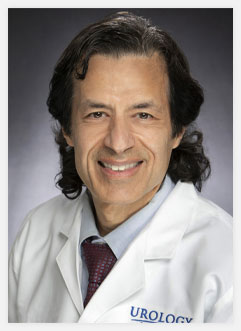
 Rohit Kapoor, MD
Understanding Prostate Cancer Care: Personalized Treatment Options Close to Home in San Antonio

Receiving a prostate cancer diagnosis can feel overwhelming, but residents of San Antonio, TX have access to some of the most advanced and compassionate cancer care available anywhere in the country. From cutting-edge surgical techniques to targeted radiation therapies and supportive cancer recovery programs, the medical community here is committed to meeting each patient where he is, physically, emotionally, and medically.
Understanding your options is the first step toward regaining a sense of control, and the good news is that you do not have to travel far to find exceptional, personalized care.
What You Should Know About Prostate Cancer and Why Early Detection Matters
Prostate cancer is the second most common cancer among American men, affecting about one in nine. Despite how widespread it is, many men receive a diagnosis before any noticeable symptoms appear, largely because of routine screening. Screening for prostate cancer in men in the appropriate setting by obtaining a prostate-specific antigen (PSA) blood test is important because many men do not have symptoms in the early stages.
Prostate cancer cells can spread by invading nearby organs and tissues, such as the bladder or rectum, or by traveling through the blood or lymph to other parts of the body, which is known as metastatic prostate cancer. Early detection significantly improves outcomes, which is why routine checkups and honest conversations with your primary care physician are so valuable. In San Antonio, TX, patients have access to specialists who use advanced biomarker testing and imaging to assess individual risk profiles well before cancer reaches an advanced stage.
You can trust local experts to assess your prostate cancer risk using special tools developed right here in San Antonio, helping you decide the screening approach that fits your needs. Taking that first step toward screening is one of the most meaningful things a man can do for his long-term health.
Personalized Treatment Planning: No Two Cases Are the Same
One of the most important things to understand about prostate cancer care in San Antonio, TX is that treatment is never one-size-fits-all. In general, the prostate cancer treatment options you consider will depend on your age, cancer grade, cancer stage, symptoms, and your general health. You will also want to consider how well each treatment option will work and how you may be affected by side effects.
Using your prostate biopsy tissue, your doctor can determine your cancer’s grade and stage. He or she may also order additional tests to better understand the type of prostate cancer you have and how likely it is to spread. This information can guide you and your doctor in determining treatment options or whether a wait-and-see approach is appropriate.
Every cancer, just like every person, is unique. Leading cancer programs in San Antonio provide expert guidance while ensuring you are in control of your treatment decisions. Whether your diagnosis points toward a slow-growing tumor or a more aggressive form of the disease, there is a path forward that can be tailored specifically to your needs and your quality-of-life goals.
Surgical and Minimally Invasive Options Available in San Antonio
For patients who require active intervention, surgery remains one of the most effective approaches, and San Antonio surgeons are among the most experienced in the region. One of the ways to treat prostate cancer is through da Vinci Prostatectomy, a minimally invasive treatment. This robotic-assisted approach has transformed the experience of prostate surgery for countless patients throughout San Antonio, TX.
Cure rates for robotic and traditional prostatectomy are best when performed by an experienced surgeon. A prospective multicenter comparison between open and robotic surgery showed robotic surgery subjects had less pain, fewer blood transfusions, less urethral scarring, and fewer blood clots. For patients focused on cancer recovery while maintaining their quality of life, these advantages can make a real difference.
Specialized nerve-sparing techniques help many men retain their sexual function after surgery, and this is a priority that skilled surgical teams in San Antonio take seriously. Other centers in South Texas regularly refer difficult cases to the region’s top programs for uncommon expertise in intricate nerve-sparing procedures. Patients who have been told their case is complex are encouraged not to give up hope; the right surgical team may be closer than they think.
Radiation Therapy, Hormone Therapy, and Innovative Approaches
Surgery is not the only road to cancer recovery. Radiation-based treatments have advanced considerably in recent years, giving patients in San Antonio, TX a range of highly precise options that minimize damage to healthy surrounding tissue.
SBRT (Stereotactic Body Radiation Therapy) is a precise method of external beam radiation therapy. A powerful beam of radiation targets the prostate and requires about 5 sessions lasting only a couple of minutes. For patients who prefer a shorter treatment schedule, this approach can be a compelling option.
IMRT (Intensity Modulated Radiation Therapy) uses a lower intensity beam than SBRT. For prostate cancer, IMRT treatment plans usually include 45 daily treatments, with each treatment lasting only a few moments. Brachytherapy, another radiation method, delivers treatment through radioactive pellets implanted directly into the prostate in an outpatient procedure.
For advanced cases, a newer therapy is offering fresh hope. Pluvicto (lutetium Lu-177 vipivotide tetraxetan) is a radioligand therapy that delivers targeted radiation specifically designed to minimize damage to surrounding healthy tissue by pinpointing prostate-specific membrane antigen-positive (PSMA+) cancer cells.
Hormone therapy for prostate cancer stops the body from making testosterone, which causes cancer cells to stop or slow their growth. Newer medicines and targeted immunotherapies kill cancer in additional innovative ways. Oncology teams in San Antonio are experienced in combining these therapies strategically to give each patient the best possible outcome.
Active Surveillance and Supporting Cancer Recovery Close to Home
Not every prostate cancer diagnosis calls for immediate aggressive treatment. Active surveillance is a reasonable approach for men who have early-stage prostate cancer that is growing slowly or who are older and have other health concerns. Active surveillance means you follow a protocol of regular appointments with your urologist to monitor your tumor for changes. If your cancer’s behavior changes, your urologist may recommend moving from active surveillance to treatment.
This approach allows patients to avoid unnecessary treatment and the potential side effects that come with it, while still being closely monitored by a medical team they trust. Active surveillance offers men with a prostate cancer that is thought to have a low risk of causing harm, a chance to delay or avoid aggressive treatment and its associated side effects.
Cancer recovery is not just about the treatment itself; it is about the full journey a patient takes from diagnosis through follow-up care. Support services, counseling, nutritional guidance, and rehabilitation programs are all part of what comprehensive cancer centers in San Antonio, TX offer. Having access to these resources close to home means patients can lean on their local support networks, including family and friends, while they navigate treatment and recovery. The proximity of world-class care to the communities these patients already live in is one of the most significant advantages of seeking treatment in San Antonio.
Conclusion
Prostate cancer is serious, but it is also one of the most treatable cancers when detected early and managed by skilled specialists. San Antonio, TX is home to a robust network of cancer care providers who deliver personalized, evidence-based treatment across every stage of the disease. From surgical innovation to advanced radiation therapies to thoughtful active surveillance protocols, the options available here reflect a genuine commitment to patient-centered cancer recovery. If you or a loved one has received a diagnosis, reach out to a local specialist and start the conversation today. Compassionate, expert care is right here, close to home.