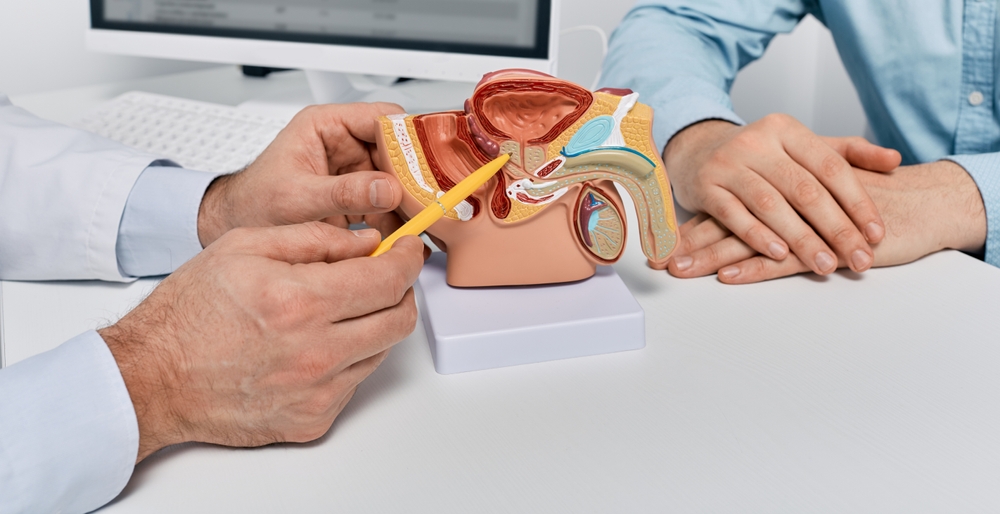
Prostate cancer is one of the most common types of cancer among men. It typically develops in the prostate, a small gland located below the bladder and in front of the rectum. As with any type of cancer, early detection is crucial for effective treatment and improved outcomes. In this blog post, we will delve into the various aspects of prostate cancer diagnosis, including risk factors, symptoms, screening methods, and the role of modern technology in the early detection of this disease.
Understanding Prostate Cancer and Its Importance
Prostate cancer begins when abnormal cells in the prostate gland grow uncontrollably. While it is typically slow-growing, it can become aggressive and spread to other parts of the body if left untreated. One of the most significant factors in managing prostate cancer is early detection, which allows for treatment before the cancer spreads. Prostate cancer is particularly common in men over the age of 50, with a higher risk for those with a family history of the disease. It is essential to recognize the significance of prostate cancer diagnosis in saving lives and minimizing the impact of the disease on an individual’s health and quality of life.
The prostate plays a key role in male reproductive health, producing seminal fluid that nourishes and transports sperm. As such, prostate cancer can disrupt not just physical well-being, but also sexual and urinary functions. The goal of a prostate cancer diagnosis is to detect the disease at an early stage, when it is most treatable, and to evaluate its progression to determine the best course of action for treatment.
Risk Factors for Prostate Cancer
Like many cancers, the risk of developing prostate cancer can be influenced by several factors, some of which are beyond an individual’s control. Age is one of the primary risk factors, with the likelihood of developing prostate cancer increasing significantly after the age of 50. African American men are also at higher risk, as they are more likely to develop aggressive forms of prostate cancer at a younger age. Genetics also play a significant role in determining prostate cancer risk. Men with a family history of prostate cancer, especially those with close relatives who have been diagnosed, are at greater risk of developing the disease themselves.
Diet and lifestyle choices may also contribute to the risk of prostate cancer, though the evidence is still being studied. High-fat diets, particularly those rich in red meats and processed foods, have been linked to an increased risk of prostate cancer. On the other hand, a diet rich in fruits, vegetables, and healthy fats may help reduce the risk. While these factors can influence prostate cancer risk, it is essential to note that many men who develop prostate cancer have no obvious risk factors. As such, routine screening and early diagnosis remain key elements in preventing the disease from advancing undetected.
Symptoms of Prostate Cancer
Prostate cancer often develops without causing any noticeable symptoms, particularly in its early stages. This is one of the reasons why regular screenings are important, even if a person feels healthy. As the cancer grows or if it begins to spread, however, some symptoms may emerge. The most common symptoms include frequent urination, especially at night, difficulty starting or stopping urination, weak or interrupted urine flow, and blood in the urine or semen. Men may also experience pain during urination or ejaculation, as well as persistent pain in the lower back, hips, or pelvis.
It is important to note that these symptoms can also be caused by conditions other than prostate cancer, such as benign prostatic hyperplasia (BPH) or prostatitis. BPH is a non-cancerous enlargement of the prostate, which can cause similar urinary symptoms. Therefore, the presence of these symptoms does not automatically indicate prostate cancer. It is essential to consult a healthcare provider if any of these symptoms are present so that further diagnostic tests can be conducted to determine the underlying cause.
Screening Methods for Prostate Cancer
Prostate cancer diagnosis typically begins with screening, especially for individuals at higher risk. There are two main screening methods for prostate cancer: the prostate-specific antigen (PSA) test and the digital rectal exam (DRE). The PSA test measures the level of prostate-specific antigen in the blood, a protein produced by the prostate gland. Elevated PSA levels can indicate the presence of prostate cancer, though other conditions like BPH or prostatitis can also cause a rise in PSA levels. For this reason, the PSA test alone is not conclusive, but it serves as an important first step in detecting prostate cancer.
The digital rectal exam (DRE) involves a physician inserting a gloved, lubricated finger into the rectum to feel the size, shape, and texture of the prostate. The exam can help detect abnormalities such as lumps, hardness, or irregularities in the prostate gland that may suggest cancer. While the DRE is a simple and quick procedure, it is not as effective as the PSA test for detecting prostate cancer, and it is typically used in conjunction with other diagnostic methods.
In some cases, if the PSA test or DRE results are abnormal, further testing may be required. A prostate biopsy, for example, involves taking small tissue samples from the prostate to check for cancer cells. This is the most definitive way to confirm a prostate cancer diagnosis. Imaging tests such as an ultrasound, MRI, or CT scan may also be used to help assess the size, location, and potential spread of the cancer.
The Role of Technology in Prostate Cancer Diagnosis
Advancements in medical technology have significantly improved the accuracy and effectiveness of prostate cancer diagnosis in recent years. One notable development is the use of multi-parametric MRI (mpMRI), which combines multiple imaging techniques to create detailed images of the prostate. mpMRI has become an invaluable tool for detecting prostate cancer, particularly in cases where the results of traditional tests like the PSA test and DRE are inconclusive. It can help identify suspicious areas in the prostate that may require a biopsy, allowing for a more targeted and precise diagnosis.
Another technological advancement is the use of genomic testing to better understand the genetic makeup of prostate cancer cells. Genomic tests can analyze the DNA of prostate cancer cells to determine how aggressive the cancer is likely to be. This information can help doctors make more informed decisions about treatment options, such as whether a patient may benefit from active surveillance, surgery, radiation therapy, or other interventions.
In addition, advances in artificial intelligence (AI) are helping to enhance the diagnostic process. AI algorithms can analyze medical images such as prostate biopsies and MRI scans, identifying patterns and abnormalities that might be missed by the human eye. This technology has the potential to greatly improve the accuracy of prostate cancer diagnosis, reduce the number of unnecessary biopsies, and help clinicians determine the best course of treatment for each individual.
Conclusion
Prostate cancer diagnosis plays a critical role in the early detection and treatment of this common yet serious disease. Regular screening, especially for those at higher risk, is essential for identifying prostate cancer before it progresses to more advanced stages. While symptoms can sometimes be a sign of the disease, early-stage prostate cancer is often asymptomatic, making routine screenings even more important. The use of advanced technologies, such as multi-parametric MRI and genomic testing, has revolutionized the way prostate cancer is diagnosed, allowing for more accurate assessments and better treatment decisions.
As our understanding of prostate cancer continues to evolve, it is essential for men to stay informed about the risk factors, symptoms, and screening methods available. By staying proactive and working closely with healthcare providers, individuals can increase their chances of detecting prostate cancer early and receiving timely, effective treatment. The continued development of diagnostic technologies and the focus on personalized medicine are expected to further improve the outcomes of prostate cancer diagnosis and treatment in the future.
Bladder cancer is one of the most common types of cancer, affecting thousands of individuals worldwide each year. This disease primarily begins in the cells lining the inside of the bladder and can spread to other parts of the body if left untreated. While the exact cause of bladder cancer remains unclear, numerous factors contribute to its development. Understanding the risk factors of bladder cancer can help individuals take preventive measures and seek early medical intervention if necessary.
Genetic and Hereditary Factors
One of the primary influences on bladder cancer risk is genetics. A family history of bladder cancer can significantly increase an individual’s likelihood of developing the disease. If a parent, sibling, or other close relative has been diagnosed with bladder cancer, there may be an inherited predisposition to the condition. Specific genetic mutations can make certain individuals more susceptible to abnormal cell growth in the bladder, leading to cancerous formations over time.
Moreover, hereditary conditions such as Lynch syndrome and mutations in genes responsible for cell repair and tumor suppression can contribute to the likelihood of developing bladder cancer. Individuals with a genetic predisposition should be especially vigilant about regular health check-ups and screenings to detect any early signs of the disease. While genetic factors alone do not determine whether someone will develop bladder cancer, they interact with environmental and lifestyle elements, increasing the overall risk.
Lifestyle and Environmental Influences
Lifestyle choices and environmental exposures play a crucial role in the development of bladder cancer. Among the most significant contributors is smoking. Tobacco smoke contains carcinogenic chemicals that enter the bloodstream and are later filtered by the kidneys into the bladder, where they can damage the bladder lining and lead to cancer. Studies indicate that smokers are at least three times more likely to develop bladder cancer than non-smokers.
Exposure to industrial chemicals also heightens the risk of bladder cancer. Individuals working in industries such as dye production, rubber manufacturing, textile processing, and printing may encounter hazardous chemicals like aromatic amines, which have been linked to bladder cancer. Prolonged contact with these chemicals, especially without proper protective measures, can significantly increase susceptibility to the disease.
Furthermore, chronic exposure to arsenic in drinking water is another environmental factor associated with bladder cancer. Certain regions around the world have high levels of naturally occurring arsenic in their water supply, which can contribute to an increased cancer risk. Ensuring access to clean and safe drinking water can help mitigate this concern.
Medical Conditions and Treatments
Several pre-existing medical conditions and treatments can influence an individual’s likelihood of developing bladder cancer. Chronic bladder infections and irritations, including those caused by recurrent urinary tract infections (UTIs) or bladder stones, may lead to long-term inflammation, which can trigger abnormal cell growth. In some cases, long-term catheter use can also contribute to chronic irritation, increasing the risk of cancerous changes in the bladder lining.
Individuals undergoing radiation therapy in the pelvic region for conditions such as cervical or prostate cancer may face an elevated risk of developing bladder cancer. Radiation exposure can cause damage to the bladder’s cellular structure, leading to mutations that contribute to cancer formation. Additionally, certain chemotherapy drugs, particularly cyclophosphamide, have been linked to an increased risk of bladder cancer due to their impact on bladder tissue.
Age, Gender, and Ethnicity
Age is a significant risk factor for bladder cancer, with the majority of cases occurring in individuals over the age of 55. As the body ages, it becomes more susceptible to cellular mutations and damage, which can contribute to the development of cancer. While bladder cancer can affect individuals of any age, it is predominantly diagnosed in older adults, making regular medical check-ups essential for early detection.
Gender also plays a role in bladder cancer risk. Statistically, men are more likely to develop bladder cancer than women. The reasons behind this disparity are not entirely understood, but they may be related to differences in occupational exposures, smoking rates, and hormonal influences. However, it is important to note that women diagnosed with bladder cancer often experience a delayed diagnosis due to the similarity of symptoms with other urinary tract conditions, leading to more advanced-stage cancer at the time of detection.
Ethnicity can also impact bladder cancer risk. Studies suggest that Caucasians are at a higher risk of developing bladder cancer compared to African Americans, Asians, and Hispanics. However, when diagnosed, African American individuals tend to present with more aggressive forms of the disease. This disparity may be attributed to genetic differences, healthcare access, and environmental exposures that vary across racial and ethnic groups.
Dietary and Hydration Habits
Diet and hydration play an essential role in bladder health and cancer risk. Certain dietary choices can either contribute to or help prevent the development of bladder cancer. A diet rich in processed meats, fried foods, and excessive consumption of artificial sweeteners has been linked to an increased risk of bladder cancer. These foods often contain carcinogens that, when metabolized by the body, can accumulate in the bladder and damage its lining.
Conversely, consuming a diet rich in fruits, vegetables, and antioxidants can help lower the risk of bladder cancer. Foods high in vitamins A, C, and E, as well as leafy greens and cruciferous vegetables, have been shown to support overall bladder health and reduce oxidative stress that can lead to cancerous cell mutations.
Hydration also plays a critical role in reducing the risk of bladder cancer. Drinking ample amounts of water throughout the day helps flush toxins and potentially harmful substances from the bladder, reducing their contact time with the bladder lining. Studies suggest that individuals who maintain high water intake have a lower incidence of bladder cancer compared to those who consume minimal fluids.
Conclusion
Understanding the various risk factors of bladder cancer allows individuals to make informed decisions about their lifestyle, health monitoring, and preventive measures. While some risk factors, such as age and genetics, cannot be controlled, adopting healthier habits such as quitting smoking, avoiding harmful chemical exposures, staying hydrated, and maintaining a balanced diet can significantly lower the likelihood of developing bladder cancer. Regular medical screenings and awareness of symptoms are crucial for early detection, improving the chances of successful treatment and long-term health outcomes.
The field of oncology has significantly evolved over the years, shifting from a solely conventional approach to a more holistic framework that encompasses integrative cancer care. This approach combines traditional cancer treatments like chemotherapy, radiation, and surgery with complementary therapies aimed at improving overall well-being. Patients undergoing cancer treatments often experience a range of side effects, including fatigue, pain, nausea, and emotional distress. Integrative medicine for cancer patients seeks to address these challenges by incorporating evidence-based complementary therapies that enhance the quality of life and support the body’s natural healing processes.
Integrative cancer care does not replace conventional treatments but works alongside them to optimize outcomes. This patient-centered approach considers the mind, body, and spirit, recognizing that healing is more than just the eradication of disease. Techniques such as acupuncture, massage therapy, nutrition counseling, mind-body interventions, and herbal medicine have shown promise in reducing symptoms and side effects associated with traditional cancer treatments. By combining modern medical advances with holistic healing methods, integrative medicine for cancer patients is paving the way for a more comprehensive and compassionate approach to cancer care.
The Role of Complementary Therapies in Cancer Treatment
Integrative cancer care incorporates various complementary therapies that have been scientifically researched and clinically tested to determine their effectiveness in supporting cancer patients. One of the most widely recognized practices within integrative medicine for cancer patients is acupuncture. Studies have demonstrated that acupuncture can help manage chemotherapy-induced nausea, fatigue, and pain. By stimulating specific points in the body, acupuncture promotes the release of endorphins and other natural chemicals that help regulate pain and improve overall well-being.
Massage therapy is another powerful complementary therapy used in integrative cancer care. Many patients undergoing cancer treatments experience muscle tension, stress, and pain, all of which can be alleviated through therapeutic massage. The gentle manipulation of soft tissues not only helps with relaxation but also enhances circulation, reduces inflammation, and fosters emotional resilience. Similarly, meditation and yoga are widely utilized for their ability to reduce anxiety, depression, and stress while improving sleep and overall mental clarity.
Nutrition plays a pivotal role in supporting patients through cancer treatment and recovery. A well-balanced diet rich in antioxidants, vitamins, and minerals can boost the immune system, reduce inflammation, and promote optimal energy levels. Many integrative medicine programs provide personalized nutrition counseling to help patients maintain strength and resilience throughout their treatment journey. By incorporating these complementary therapies, integrative medicine for cancer patients aims to create a more balanced and patient-focused approach to healing.
The Science Behind Integrative Medicine for Cancer Patients
The effectiveness of integrative cancer care is supported by a growing body of scientific research. Numerous studies have demonstrated that combining conventional treatments with complementary therapies can lead to improved patient outcomes. For example, research published in reputable oncology journals has shown that mindfulness-based stress reduction techniques can help decrease anxiety and depression among cancer patients. Similarly, studies on acupuncture have highlighted its ability to reduce chemotherapy-induced nausea and improve overall pain management.
The immune system plays a crucial role in cancer progression and treatment response. Certain integrative therapies, such as herbal medicine and nutritional interventions, have been shown to modulate immune function and enhance the body’s natural ability to fight cancer. Some botanical compounds exhibit anti-inflammatory and antioxidant properties that may support conventional therapies in targeting cancer cells while minimizing damage to healthy tissues.
In addition to physical benefits, integrative medicine for cancer patients also addresses emotional and psychological well-being. The stress and anxiety associated with a cancer diagnosis can have a profound impact on a patient’s ability to heal. Mind-body therapies, such as guided imagery, progressive muscle relaxation, and art therapy, are designed to alleviate emotional distress and foster a positive mindset. These approaches contribute to a more holistic and patient-centered model of care that acknowledges the interconnectedness of physical and emotional health.
Integrative Cancer Care in Clinical Practice
The implementation of integrative cancer care in clinical settings has gained traction in leading cancer centers worldwide. Many hospitals and oncology clinics now offer integrative medicine programs that are tailored to the specific needs of cancer patients. These programs are designed to work in conjunction with conventional cancer treatments to provide a comprehensive and supportive healing experience.
One of the key components of an integrative cancer care program is a multidisciplinary team that includes oncologists, integrative medicine specialists, dietitians, physical therapists, and mental health professionals. This team collaborates to develop personalized treatment plans that address the unique needs of each patient. For example, a patient undergoing chemotherapy may receive acupuncture sessions to manage nausea, nutritional counseling to maintain optimal nutrient intake, and counseling sessions to cope with the emotional impact of the disease.
Hospitals that incorporate integrative medicine for cancer patients often emphasize the importance of patient education and empowerment. By providing patients with knowledge about lifestyle modifications, stress management techniques, and complementary therapies, they are better equipped to take an active role in their healing process. This patient-centered approach fosters a sense of control and resilience, which can positively impact overall treatment outcomes.
The Future of Integrative Medicine in Oncology
As the field of oncology continues to advance, the role of integrative cancer care is expected to expand further. With increasing recognition from the medical community and growing patient demand, integrative medicine for cancer patients is becoming an integral part of comprehensive cancer care. More research is being conducted to evaluate the efficacy of various complementary therapies, and new treatment modalities are being explored to enhance the quality of life for cancer patients.
Personalized medicine, which tailors treatment approaches based on an individual’s genetic makeup and unique health profile, is expected to intersect with integrative oncology in the future. Advances in genomics and precision medicine may allow for more targeted and effective integrative interventions, further optimizing patient outcomes.
The integration of technology into cancer care is also playing a role in expanding access to holistic treatment options. Telemedicine platforms now allow patients to consult with integrative medicine practitioners remotely, ensuring that they receive ongoing support regardless of their geographical location. Mobile applications focused on meditation, nutrition tracking, and symptom management are making it easier for patients to incorporate integrative therapies into their daily routines.
Ultimately, the continued evolution of integrative cancer care holds promise for improving both survival rates and quality of life for cancer patients. By embracing a holistic approach that considers the physical, emotional, and spiritual aspects of healing, integrative medicine for cancer patients is shaping the future of oncology and offering a more compassionate and comprehensive model of care.
Cancer is a life-altering diagnosis that affects not just the physical body but also the emotional and psychological well-being of patients. Providing emotional support for cancer patients is a crucial aspect of cancer care, ensuring that they can navigate the challenges of treatment, recovery, and beyond with resilience and hope.
This blog explores the various dimensions of emotional support for cancer patients, including the importance of holistic cancer care, specific strategies to offer support, and resources available to patients and their families.
Understanding the Emotional Impact of Cancer
The Psychological Burden of a Cancer Diagnosis
A cancer diagnosis often comes with a whirlwind of emotions: fear, anxiety, anger, and grief. Patients grapple with uncertainty about their prognosis, the side effects of treatment, and the potential impact on their loved ones.
These emotions are normal and expected, but when left unaddressed, they can escalate into mental health issues such as depression and anxiety disorders. Recognizing the psychological burden early is a fundamental step in providing effective emotional support.
Social Challenges and Isolation
Cancer patients may also face social challenges. Treatment schedules, physical limitations, and the stigma surrounding cancer can lead to feelings of isolation and loneliness. Friends and family members may struggle to find the right words or actions to support the patient, adding to the emotional strain.
The Role of Holistic Cancer Care
Holistic cancer care integrates physical, emotional, and spiritual support, addressing the patient as a whole rather than focusing solely on the disease. This approach emphasizes the importance of emotional well-being as part of the healing process, recognizing that a positive mental state can complement medical treatments and improve overall outcomes.
Strategies for Providing Emotional Support
Open Communication
One of the most effective ways to support a cancer patient is through open and honest communication. Encourage the patient to express their feelings and concerns without fear of judgment. Active listening, empathy, and validating their emotions can create a safe space for them to share their experiences.
Tips for Effective Communication
Avoid offering unsolicited advice or trying to “fix” their emotions.
Use phrases like “I’m here for you” and “It’s okay to feel this way.”
Be patient; allow them to share at their own pace.
Building a Support Network
A strong support network can significantly alleviate the emotional burden of cancer. Friends, family members, support groups, and professional counselors can all play a role in providing comfort and encouragement.
The Role of Support Groups
Support groups offer a unique space for cancer patients to connect with others who share similar experiences. These groups provide emotional validation, practical advice, and a sense of community that can combat feelings of isolation.
Integrating Mental Health Services
Mental health professionals, such as therapists and counselors, are valuable resources for cancer patients. They can help individuals develop coping mechanisms, process their emotions, and navigate the psychological challenges of cancer care.
Therapy Modalities for Cancer Patients
Cognitive Behavioral Therapy (CBT): Helps patients manage negative thought patterns and develop resilience.
Mindfulness and Stress Reduction: Practices like meditation and yoga can reduce stress and promote relaxation.
Art and Music Therapy: Creative outlets can provide emotional relief and a sense of accomplishment.
Encouraging Self-Care
Cancer treatment can be physically and emotionally draining, making self-care essential. Encourage patients to prioritize activities that bring them joy, relaxation, and a sense of normalcy.
Self-Care Ideas
Engaging in hobbies or creative pursuits
Spending time in nature
Practicing relaxation techniques like deep breathing or guided imagery
The Role of Caregivers in Emotional Support
Recognizing the Caregiver’s Impact
Caregivers play a pivotal role in supporting cancer patients, often taking on responsibilities that extend beyond physical care. They provide emotional stability, practical assistance, and a listening ear, all of which are vital for the patient’s well-being.
Addressing Caregiver Burnout
While caregivers offer invaluable support, they are also at risk of burnout. It’s important to ensure that caregivers have access to their own emotional and physical support systems to sustain their ability to care for others effectively.
Support Strategies for Caregivers
Joining caregiver support groups
Seeking respite care services
Practicing self-care and setting boundaries
Holistic Cancer Care: A Comprehensive Approach
The Integration of Mind and Body
Holistic cancer care emphasizes the connection between emotional well-being and physical health. By addressing both aspects simultaneously, patients can experience a more balanced and fulfilling healing journey.
Complementary Therapies
Acupuncture: Can reduce pain and alleviate treatment-related side effects.
Exercise Programs: Tailored activities can improve mood and physical strength.
Spiritual and Existential Support
For many patients, cancer prompts profound existential questions. Spiritual support, whether through faith-based practices or philosophical exploration, can provide comfort and meaning during this challenging time.
Resources for Spiritual Support
Chaplaincy services
Meditation and mindfulness practices
Support from religious or spiritual communities
Resources for Emotional Support
Professional Support Services
Numerous organizations specialize in providing emotional support for cancer patients. These resources often include counseling, support groups, and educational materials.
Notable Organizations
American Cancer Society: Offers a wide range of support services, including a 24/7 helpline.
CancerCare: Provides free counseling, financial assistance, and support groups.
Gilda’s Club: Community-based support for patients and their families.
Online Support Communities
The digital age has made it easier for cancer patients to connect with others globally. Online forums, social media groups, and virtual support meetings can be valuable resources for emotional connection.
Benefits of Online Communities
Access to support regardless of location
Anonymity for those who prefer privacy
A wide range of perspectives and experiences
The Importance of Personalizing Emotional Support
Every Patient is Unique
No two cancer patients experience their journey in the same way. Personalizing emotional support based on the patient’s individual needs, preferences, and cultural background is key to making a meaningful impact.
Tailored Approaches
Listening to the patient’s specific concerns
Adapting communication styles to their comfort level
Respecting cultural or religious beliefs
The Role of Healthcare Providers
Creating a Compassionate Care Environment
Healthcare providers play a critical role in delivering holistic cancer care. By fostering a compassionate and patient-centered environment, they can help ease the emotional burden of treatment.
Best Practices for Providers
Offering clear and empathetic communication
Referring patients to mental health and support resources
Encouraging the involvement of family and caregivers
Ongoing Training for Emotional Support
Providing emotional support is a skill that can be developed through training. Workshops and seminars on empathy, active listening, and cultural competence can enhance the ability of healthcare professionals to address patients’ emotional needs.
Conclusion
Emotional support is an essential component of cancer care, enabling patients to navigate their journey with strength, resilience, and hope. By embracing holistic cancer care, integrating mental health services, and fostering strong support networks, we can create a nurturing environment that addresses the multifaceted challenges of cancer.
Whether you’re a patient, caregiver, or healthcare provider, prioritizing emotional well-being is a step toward healing that transcends the physical. Together, we can ensure that no one faces cancer alone.
Chemotherapy can be a challenging journey, both physically and emotionally. The treatment often involves extended periods of sitting in clinics or hospitals, which can leave patients feeling drained and disconnected. However, incorporating therapeutic activities during chemotherapy can make the process more manageable, help pass the time, and promote mental and emotional well-being. From creative outlets to mindfulness practices, these activities offer a sense of comfort and empowerment during treatment.
Why Therapeutic Activities Matter During Chemotherapy
Chemotherapy brings with it a range of side effects, including fatigue, stress, and emotional exhaustion. Patients often find themselves navigating long hours at treatment centers, which can amplify feelings of boredom or anxiety. Therapeutic activities serve as a valuable tool to cope with these challenges:
Reduce Stress: Engaging in calming and creative activities can lower cortisol levels and help ease anxiety.
Pass the Time Productively: Activities provide a distraction during treatment sessions, making them feel shorter and less taxing.
Promote Emotional Healing: Expressing emotions through art, writing, or mindfulness fosters emotional clarity and relief.
Improve Physical Well-being: Gentle movement and breathing techniques help counteract fatigue and muscle stiffness.
By incorporating meaningful activities into chemotherapy sessions, patients can transform idle hours into opportunities for healing and self-care.
Creative Activities to Explore During Chemotherapy
Drawing, Coloring, and Painting
Art can be a powerful way to express emotions that might feel overwhelming or difficult to verbalize. It provides an outlet for creativity, whether or not you consider yourself an artist. Coloring books for adults have gained popularity due to their meditative benefits, and they are easy to carry during chemotherapy sessions. You can also try:
Sketching with pencils or pens.
Watercolor painting for a soothing experience.
Using apps like Procreate or online tools for digital art.
Engaging in art encourages mindfulness, reduces stress, and leaves you with a tangible representation of your creativity.
Knitting, Crocheting, or Embroidery
Handcrafts like knitting, crocheting, and embroidery are therapeutic and require minimal tools, making them perfect for chemotherapy sessions. These activities allow you to focus on repetitive motions, which can calm the mind and help pass the time productively. You can create meaningful items such as:
Scarves, hats, or blankets for yourself or loved ones.
Embroidered designs on fabric or clothing.
Small handmade gifts for family or friends.
Not only does crafting keep your hands and mind occupied, but it also brings a sense of accomplishment with every finished project.
Journaling or Creative Writing
Writing can be a cathartic activity during chemotherapy, offering an opportunity to reflect on your experiences, express emotions, and find meaning in your journey. You can try different forms of writing, such as:
Journaling: Documenting your thoughts, feelings, and daily experiences can help you process emotions and track your progress.
Creative Writing: Write short stories, poetry, or even letters to yourself.
Gratitude Journaling: Focusing on small moments of joy or gratitude can shift your mindset and boost positivity.
Journaling doesn’t require much equipment, just a notebook and pen, making it easy to carry wherever you go.
Mindfulness and Relaxation Activities
Guided Meditation
Mindfulness and meditation have been shown to reduce stress, improve focus, and promote relaxation—all of which can be incredibly beneficial during chemotherapy. Many mobile apps offer guided meditations tailored to specific needs, such as calming anxiety or promoting deep breathing. Some popular options include:
Headspace or Calm: These apps provide short meditations that can be practiced during treatment.
Body Scan Meditations: Focus on different parts of the body to release tension and discomfort.
Breathwork Techniques: Simple breathing exercises like inhaling for four counts, holding for four, and exhaling for four can promote calmness.
Meditation encourages patients to remain present, helping alleviate worry about treatment outcomes or side effects.
Listening to Music or Podcasts
Music can have a soothing and uplifting effect, making it an excellent companion during chemotherapy. Create playlists of songs that bring you comfort, relaxation, or motivation. Alternatively, explore podcasts on topics of interest, such as:
Personal development and wellness.
True stories or interviews with inspiring individuals.
Relaxation-focused audio, including soundscapes or guided affirmations.
Listening to music or podcasts allows you to engage with something positive while distracting yourself from discomfort.
Aromatherapy and Breathing Exercises
If permitted by your treatment center, incorporating aromatherapy can enhance relaxation. Essential oils like lavender, chamomile, or peppermint can help alleviate nausea, calm nerves, and boost overall well-being. Pair aromatherapy with simple breathing techniques to deepen relaxation:
Box Breathing: Inhale, hold, exhale, and pause for equal counts.
Diaphragmatic Breathing: Focus on deep, slow breaths that expand your belly rather than your chest.
Aromatherapy roll-ons or inhalers are portable and easy to use during sessions.
Physical and Gentle Movement Activities
Chair Yoga and Stretching
Fatigue and muscle stiffness are common side effects of chemotherapy. Gentle movement, like chair yoga, can improve circulation, flexibility, and energy levels without overexerting yourself. A few simple stretches to try during treatment include:
Neck rolls to relieve tension in the shoulders.
Seated spinal twists to stretch the back and improve posture.
Gentle arm and wrist stretches to reduce stiffness.
You can follow chair yoga tutorials on YouTube or use wellness apps for easy-to-follow routines.
Hand Exercises for Mobility
For patients experiencing neuropathy or weakness in the hands, simple hand exercises can help improve mobility and prevent stiffness. Try these movements:
Squeezing a stress ball or therapy putty.
Opening and closing the fingers in slow, deliberate motions.
Rotating your wrists and wiggling your fingers.
These exercises are easy to incorporate while sitting in a treatment chair and can provide both physical and mental stimulation.
Social and Connection Activities
Talking to Family or Friends
Connecting with loved ones, even during chemotherapy, can make the process feel less isolating. Whether in person, through phone calls, or video chats, sharing your thoughts and feelings with supportive individuals can provide comfort and encouragement. Plan for:
Conversations about uplifting or lighthearted topics.
Sharing funny stories or memories.
Simple companionship, where words aren’t even necessary.
A support system is vital during treatment, so don’t hesitate to reach out for connection when you need it.
Joining a Support Group
Joining a chemotherapy or cancer support group—whether in person or online—can provide a safe space to share experiences, gain advice, and feel understood by others going through similar journeys. Many groups host virtual sessions where participants can engage in:
Open discussions and sharing.
Group activities like journaling, games, or guided meditations.
Educational talks from healthcare professionals.
Feeling connected to a community can make the process feel less overwhelming.
Conclusion
Undergoing chemotherapy can be physically and emotionally challenging, but therapeutic activities can play a significant role in improving your overall experience. Whether you enjoy creating art, practicing mindfulness, engaging in gentle movement, or connecting with others, these activities help reduce stress, promote relaxation, and offer a sense of purpose. By incorporating small yet meaningful moments of self-care, patients can reclaim a sense of control and comfort throughout their treatment journey.
If you or a loved one are undergoing chemotherapy, consider exploring these activities to support emotional and mental well-being—one creative or calming moment at a time.
 Rohit Kapoor, MD