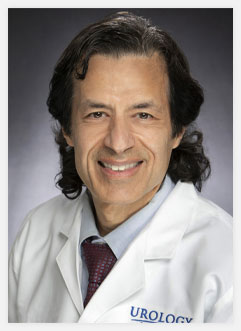
 Rohit Kapoor, MD
The Role of Ongoing Oncology & Hematology Care in Long-Term Cancer Recovery in San Antonio

Finishing active cancer treatment is a milestone worth celebrating, but it is rarely the end of the medical journey. For most survivors, the months and years that follow are shaped by a different kind of care, one focused on monitoring, prevention, healing, and quality of life. In San Antonio, where the cancer community continues to grow alongside the city’s expanding medical landscape, ongoing oncology and hematology care has become a cornerstone of meaningful, lasting recovery.
Survivors who stay engaged with their care teams give themselves the best possible chance at catching problems early, managing late effects, and rebuilding their lives with confidence.
Why Survivorship Care Matters After Treatment Ends
Cancer treatment can be physically and emotionally demanding, and its effects do not simply disappear once chemotherapy, radiation, or surgery wraps up. Many patients live with lingering fatigue, neuropathy, hormonal changes, cognitive shifts often called “chemo brain,” and emotional aftershocks like anxiety or depression. Survivorship care is designed to address these realities head on, rather than leaving patients to navigate them alone.
Ongoing cancer care in San Antonio, TX focuses on three central goals: detecting recurrence as early as possible, identifying and managing long-term side effects of treatment, and supporting whole-person wellness. A structured survivorship plan typically includes a personalized schedule of follow up visits, imaging or lab work tailored to the original diagnosis, and clear guidance on lifestyle habits that reduce the risk of recurrence or secondary cancers. This kind of proactive framework gives survivors a roadmap, replacing uncertainty with a sense of direction.
Just as importantly, survivorship care recognizes that recovery is not only physical. Mental health support, nutrition counseling, physical therapy, and integrative therapies are increasingly woven into long-term plans. San Antonio’s oncology centers have leaned into this comprehensive model, understanding that thriving after cancer means more than the absence of disease.
The Importance of Oncology Follow Up Care
Regular follow up visits are the backbone of long-term cancer recovery. These appointments allow oncologists to track healing, evaluate any new symptoms, and catch warning signs of recurrence at their earliest, most treatable stage. The schedule and content of these visits are highly individualized, depending on the type and stage of the original cancer, the treatments received, and the patient’s overall health.
In the first two to three years after treatment, oncology follow up care in San Antonio typically involves more frequent visits, often every three to six months. During these appointments, physicians perform physical exams, review symptoms, and order targeted imaging or blood tests. As time passes and the risk of recurrence decreases, visits often become less frequent, eventually transitioning to annual check ins for many survivors. Even years out from treatment, however, that yearly touchpoint remains valuable, since some cancers carry a lifelong risk of late recurrence or secondary malignancies.
Follow up care is also a chance to address the side effects that may emerge long after treatment ends. Cardiotoxicity from certain chemotherapies, bone density loss from hormonal therapies, thyroid dysfunction after radiation, and increased risk of cardiovascular disease are all examples of late effects that benefit from ongoing surveillance. By keeping these issues on the radar, oncologists can intervene early, often preventing serious complications down the road.
Equally important is the relationship that develops between survivors and their care teams. Patients who feel comfortable with their oncologist are more likely to report new symptoms promptly, ask questions, and stay engaged with screening recommendations. That trust, built over many visits, becomes one of the most powerful tools in long-term recovery.
Hematology Services and Their Role in Long-Term Recovery
For many cancer survivors, particularly those treated for blood cancers like leukemia, lymphoma, and myeloma, hematology care plays a continuing role long after the last round of treatment. Even patients who were treated for solid tumors may need ongoing hematology support if their treatment affected bone marrow function, blood counts, or clotting.
Hematology services in San Antonio, TX cover a wide range of long-term needs. Routine blood work helps identify anemia, low platelet counts, or abnormalities that could signal recurrence or a treatment-related condition like myelodysplastic syndrome. For survivors of blood cancers, periodic bone marrow evaluations, flow cytometry, or molecular testing may be part of the surveillance plan. These tools allow hematologists to detect changes at a microscopic level, often well before symptoms appear.
Beyond surveillance, hematologists also help manage chronic conditions that can develop or worsen after cancer treatment. Clotting disorders, iron overload from frequent transfusions, immune deficiencies, and chronic anemia all fall within their expertise. For survivors who underwent stem cell or bone marrow transplant, the hematology team plays an especially central role, monitoring for graft versus host disease, infection risk, and immune recovery for years after the procedure.
The collaborative nature of hematology and oncology care is one of its greatest strengths. In San Antonio, many practices integrate the two disciplines under one roof, allowing patients to receive coordinated care without juggling multiple unrelated specialists. This integration translates into faster decision making, fewer redundant tests, and a more cohesive recovery experience.
Building a Comprehensive Recovery Plan in San Antonio
A strong long-term recovery plan reaches well beyond the exam room. Survivors benefit most when their oncology and hematology teams collaborate with primary care physicians, cardiologists, endocrinologists, mental health professionals, and rehabilitation specialists as needed. San Antonio’s medical community offers a rich network of these resources, and survivors are encouraged to lean into all of them.
A well-designed plan typically begins with a survivorship care summary, a document that outlines the diagnosis, treatments received, potential late effects, and recommended follow up schedule. This summary becomes a shared reference point for every provider involved in a survivor’s care, ensuring nothing falls through the cracks. Patients are encouraged to keep a copy and share it with any new clinician they see.
Lifestyle plays a powerful role in long-term outcomes. Regular physical activity, a nutrient dense diet, maintaining a healthy weight, limiting alcohol, and avoiding tobacco have all been linked to lower recurrence rates and improved survival in many cancer types. San Antonio offers numerous resources to support these goals, from hospital based survivorship programs to community fitness initiatives, nutrition counseling, and support groups that connect survivors with others who understand the journey.
Mental and emotional wellness deserves equal attention. Anxiety about recurrence, grief over what cancer took away, and the challenge of redefining identity after treatment are all common experiences. Counseling, peer support, mindfulness practices, and survivorship workshops can help survivors process these feelings and move forward with resilience.
Choosing the Right Long-Term Care Partner
Selecting an oncology and hematology team for long-term care is one of the most important decisions a survivor will make. The right partner should offer experience across a range of cancer types, access to advanced diagnostic and treatment technologies, a strong focus on survivorship, and a compassionate, communicative approach. Continuity matters too, since long-term care is built on the foundation of an ongoing relationship.
San Antonio is fortunate to have several oncology and hematology practices that prioritize this kind of long-term partnership. When evaluating options, survivors should consider factors like the practice’s approach to survivorship planning, availability of integrated services, communication style, insurance compatibility, and convenience of location. Asking about clinical trial access, second opinion policies, and coordination with primary care can also help paint a fuller picture.
Above all, survivors should feel heard and respected. A care team that listens carefully, explains options clearly, and treats each patient as a whole person, not just a diagnosis, is one that will serve them well for years to come.
Conclusion
Long-term cancer recovery is an active, ongoing process, and the right care team makes all the difference. Through consistent oncology follow up care, specialized hematology services, and a comprehensive approach to whole-person wellness, San Antonio survivors have access to the support they need to thrive well beyond treatment. Staying engaged with that care is one of the most powerful steps any survivor can take toward a healthy, hopeful future.