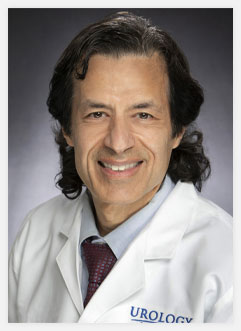
 Rohit Kapoor, MD
The Role of Hematology in Cancer Recovery: What San Antonio Patients Should Understand
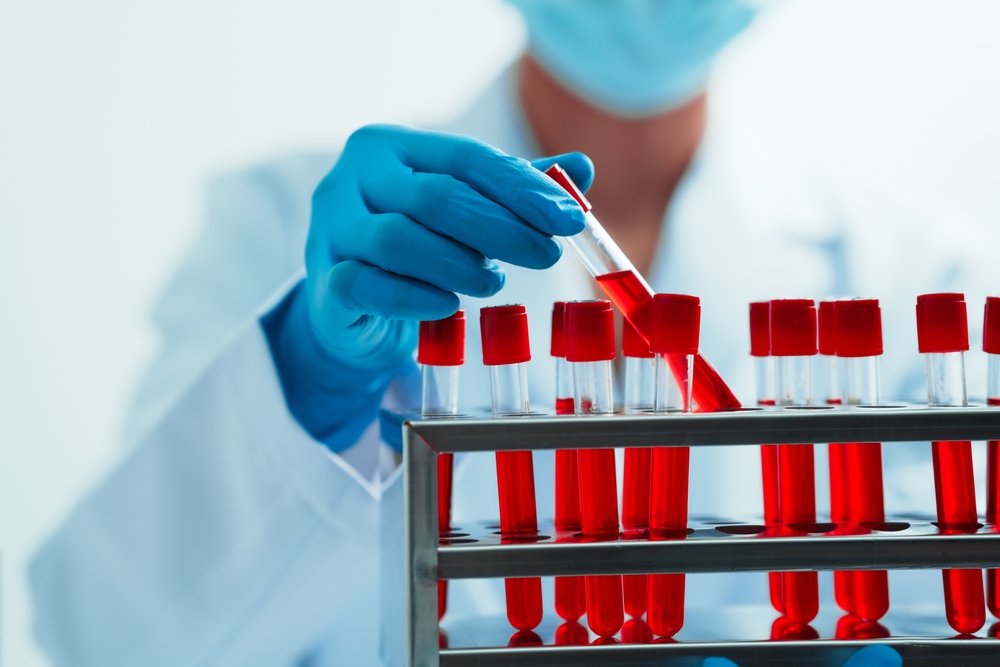
Cancer treatment is a complex journey that affects many systems in the body. One of the most impacted is the blood and bone marrow, both essential components of the circulatory and immune systems. Hematology, the study of blood and its disorders, plays a central role in supporting patients during and after cancer treatment. In San Antonio, where medical advancements and comprehensive care converge, understanding the interplay between hematology and cancer recovery is critical for patients and caregivers alike. This article explores the importance of hematology in cancer care, how blood disorders during cancer treatment arise, and how specialized oncology hematology care in Texas can offer essential support during recovery.
Hematology’s Role in Cancer Treatment and Recovery
Hematology is not just about blood tests or diagnosing anemia. In the context of cancer recovery, it provides essential insight into how treatments like chemotherapy and radiation affect blood cells, the bone marrow, and the immune system. Chemotherapy drugs often target rapidly dividing cells, which includes not only cancer cells but also healthy blood-forming cells in the bone marrow. As a result, patients frequently experience side effects like low red blood cell counts (anemia), low white blood cells (neutropenia), and low platelets (thrombocytopenia). These conditions can severely compromise a patient’s strength, immunity, and ability to tolerate ongoing treatment.
In addition to monitoring these changes, hematologists in San Antonio play a proactive role in managing and treating blood-related complications. This can include administering growth factors to stimulate white blood cell production, blood transfusions to treat anemia, or medications to boost platelet counts. Through these interventions, hematologists not only manage symptoms but also help ensure that patients can continue receiving life-saving cancer therapies without interruptions.
Blood Disorders During Cancer Treatment
Blood disorders during cancer treatment are common and can have serious implications for a patient’s health and recovery. These disorders often stem from the damage that chemotherapy or radiation causes to the bone marrow, the body’s factory for producing blood cells. Anemia, characterized by fatigue and shortness of breath, arises from a shortage of red blood cells. Neutropenia, a low white blood cell count, increases the risk of infection, which can be life-threatening if not properly managed. Thrombocytopenia leads to increased bleeding and bruising due to low platelet levels.
For San Antonio patients undergoing aggressive treatments for cancers such as leukemia, lymphoma, or multiple myeloma, blood disorders may be even more profound. In some cases, the cancer itself originates in the blood or bone marrow, as seen in hematologic malignancies. These conditions blur the line between oncology and hematology, making specialized care essential. Hematologists work alongside oncologists to tailor treatments that address both the cancer and the associated blood complications, ensuring a holistic approach to patient care.
Understanding the signs of blood disorders is important for early intervention. San Antonio’s healthcare providers often educate patients to recognize symptoms like persistent fatigue, frequent infections, unusual bruising, or prolonged bleeding. Timely reporting and prompt treatment can significantly reduce complications and improve outcomes.
Collaborative Oncology Hematology Care in Texas
The integration of oncology and hematology in patient care models across Texas reflects a growing recognition of how interconnected these specialties are. In San Antonio, oncology hematology care is designed to provide seamless support, from diagnosis through recovery. Multidisciplinary teams, often consisting of oncologists, hematologists, nurses, pharmacists, and support staff, collaborate to monitor and manage every aspect of a patient’s health.
This collaborative care model is particularly vital in managing cancers with a direct impact on the blood, such as leukemias and lymphomas, but also benefits patients with solid tumors like breast or lung cancer who experience hematologic side effects from treatment. Hematologists bring deep expertise in managing complications, adjusting treatment protocols, and preventing delays in therapy due to blood-related issues.
Furthermore, many San Antonio oncology centers offer supportive care programs that include nutrition counseling, physical therapy, and mental health support. These services help address the physical and emotional toll of cancer while reinforcing the patient’s overall recovery strategy. Hematologists contribute by ensuring that patients remain physically stable and resilient enough to participate fully in these programs.
Texas also boasts several institutions that conduct cutting-edge research in hematology and oncology, offering clinical trials that provide access to new therapies and innovations. For eligible patients in San Antonio, this can mean earlier access to treatments that improve blood counts or reduce side effects, accelerating their path to recovery.
Personalized Hematologic Monitoring During Recovery
Once cancer treatment is complete, the journey is far from over. Recovery can take months or even years, and the role of hematology during this phase remains crucial. Regular blood monitoring helps detect lingering side effects or emerging complications, such as secondary blood cancers or bone marrow suppression. This is especially important for patients who have undergone high-dose chemotherapy, bone marrow transplants, or immunotherapies.
In San Antonio, post-treatment care plans often include scheduled visits to hematology specialists for blood work and follow-up assessments. This level of personalized monitoring allows for the early detection of anomalies, ensuring prompt intervention. For example, persistent anemia may be treated with dietary changes, supplements, or medications, while low white cell counts may require immune-boosting therapies or lifestyle adjustments to prevent infections.
For cancer survivors who develop chronic blood disorders as a result of their treatment, hematologists provide long-term care strategies. These may include managing clotting disorders, monitoring for myelodysplastic syndromes, or screening for genetic markers that influence future health risks. In all cases, the goal is to maintain the highest possible quality of life while minimizing complications.
Why San Antonio Patients Should Prioritize Hematology Expertise
San Antonio is home to a wide range of healthcare institutions offering state-of-the-art cancer care. What sets many of them apart is their recognition of the vital connection between hematology and cancer recovery. By prioritizing hematology as part of the treatment and recovery plan, patients benefit from more comprehensive care and improved outcomes.
Access to hematology expertise ensures that blood-related issues do not become barriers to recovery. In a city with a diverse population and a range of cancer care facilities, the availability of integrated oncology hematology services means patients can receive coordinated, compassionate care close to home. Moreover, hematologists in San Antonio are often at the forefront of research and education, bringing the latest knowledge and treatments directly to the bedside.
Patients and caregivers should not hesitate to ask their cancer care team about hematologic monitoring and support. Doing so can lead to better symptom control, fewer emergency complications, and a smoother recovery. As cancer treatment becomes increasingly personalized, so too does the role of hematology in ensuring that every aspect of a patient’s health is considered and cared for.
Conclusion
The path to cancer recovery involves much more than targeting tumors. Hematology plays a pivotal role in helping patients navigate the challenges of treatment, manage side effects, and recover with strength and resilience. In San Antonio, where medical expertise and community-focused care intersect, patients have access to integrated oncology hematology care that supports both immediate needs and long-term health. Recognizing the impact of blood disorders during cancer treatment and engaging with hematologists throughout the recovery process can make a significant difference. For every patient facing cancer in Texas, understanding the role of hematology is a crucial step toward a healthier, more hopeful future.