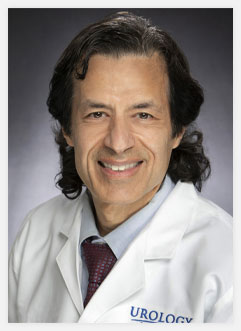
 Rohit Kapoor, MD
Empowering Cancer Patients Across South Texas: Hope, Healing, and Support

Cancer is a word no one wants to hear, yet it touches the lives of millions every year. In South Texas, and particularly in San Antonio, TX, the journey of cancer patients is being transformed through an expanding network of support, advanced oncology care, and compassionate community resources. The fight against cancer is not fought alone, and with the right tools, care, and emotional support, patients and their families can walk the path toward healing with dignity and strength.
The growing focus on patient-centered cancer recovery support has become a beacon of hope for many across South Texas. In cities like San Antonio, the development of comprehensive care systems ensures that patients receive not only world-class medical treatment but also the emotional and practical support necessary for recovery. From early diagnosis to survivorship, empowering cancer patients means recognizing their whole journey, and working to remove barriers to quality care and support services.
Transforming Lives Through Patient-Centered Oncology Care
South Texas has witnessed significant advances in oncology care, ensuring that patients receive the most cutting-edge treatments available today. In San Antonio, TX, leading cancer treatment facilities are reshaping the experience of what it means to go through cancer. These institutions focus on personalized care plans that cater to the unique needs of every patient. No two cancer journeys are alike, and the best outcomes come from treating the individual, not just the disease.
State-of-the-art technologies such as precision medicine, immunotherapy, and targeted therapies are being utilized to create more effective treatment protocols. These breakthroughs not only increase the chances of recovery but also reduce side effects, helping patients maintain a better quality of life during treatment. In combination with clinical trials and multidisciplinary teams, cancer centers in San Antonio offer care that rivals that of national institutions, all while remaining close to home for South Texans.
But technology alone is not enough. The human touch is critical. Compassionate care providers, including oncologists, nurses, social workers, and counselors, form an integral part of the support network. The emphasis is placed not just on fighting cancer, but also on nurturing the emotional and psychological well-being of each patient.
Building a Network of Compassionate Cancer Centers
Across San Antonio and throughout South Texas, compassionate cancer centers are springing up to meet the growing demand for holistic cancer care. These centers offer more than medical treatment; they foster a nurturing environment where patients feel understood, supported, and respected.
A compassionate cancer center in San Antonio, TX, goes beyond clinical excellence to embrace the values of empathy, communication, and patient empowerment. These centers provide integrated services such as nutritional counseling, pain management, psychosocial support, and palliative care. The focus is on treating the whole person, not just the illness. By creating spaces that are welcoming and accessible, these centers reduce the stress often associated with treatment and recovery.
In rural areas of South Texas, access to such comprehensive care has historically been limited. However, through outreach programs, mobile clinics, and telemedicine, the reach of compassionate cancer centers is expanding. This is especially vital for patients who may otherwise face long travel times and logistical challenges to receive life-saving care.
The mission of these centers is clear: to empower every patient with the resources, knowledge, and support they need to navigate their cancer journey with confidence and resilience.
Community Support and Cancer Recovery Resources in San Antonio
One of the most powerful aspects of cancer recovery support in South Texas is the community-driven spirit that surrounds it. San Antonio, TX, has become a hub for cancer-related support networks, offering a wide range of resources that address not only physical recovery but also emotional healing.
Support groups, both in-person and virtual, provide safe spaces where patients and survivors can share their experiences, challenges, and victories. These gatherings foster connection and mutual understanding, alleviating the sense of isolation that can often accompany a cancer diagnosis. Peer mentorship programs also offer newly diagnosed individuals the opportunity to learn from those who have walked the same path.
Nonprofit organizations and faith-based groups in San Antonio play a vital role in this landscape. They offer services such as transportation to appointments, financial assistance, wellness programs, and educational workshops. These resources remove barriers to care and empower patients to make informed decisions about their treatment.
Families are not left out of this support system. Recognizing that cancer affects not just the individual but also their loved ones, many programs provide counseling and resources specifically tailored for caregivers. When families are supported, patients benefit from a stronger and more cohesive support system at home.
Survivorship and Thriving Beyond Cancer
The journey through cancer does not end when treatment is over. Survivorship is an essential phase of the recovery process, and South Texas is increasingly recognizing the importance of long-term support for cancer survivors.
In San Antonio, TX, survivorship programs focus on helping individuals transition from active treatment to post-treatment life. These programs address the physical, emotional, and social changes that come with life after cancer. Follow-up care, rehabilitation services, and regular health screenings ensure that survivors remain healthy and vigilant.
Equally important are the emotional aspects of survivorship. Many survivors deal with fear of recurrence, changes in body image, and the challenge of returning to work or daily routines. Cancer recovery support systems are designed to help individuals rebuild their confidence and find a new normal. Through counseling, peer groups, and life coaching, survivors can reclaim their lives with renewed purpose and strength.
Wellness programs that include exercise classes, yoga, meditation, and nutrition coaching are also integral to survivorship care. These initiatives promote overall well-being and reinforce the idea that healing is a lifelong process.
A Future of Hope and Empowerment in South Texas
As South Texas continues to evolve in its approach to cancer care, one thing remains constant: the unwavering commitment to empowering patients every step of the way. From diagnosis through treatment and into survivorship, patients are no longer alone. The collaborative efforts of medical professionals, caregivers, community organizations, and compassionate cancer centers are creating a network of support that is as strong as it is heartfelt.
San Antonio, TX, stands as a shining example of what is possible when a community rallies together around those in need. By embracing the principles of personalized care, emotional support, and accessible services, the region is setting a new standard for what oncology care can and should be.
The future holds great promise, not just in terms of medical advancements, but also in how we care for one another as human beings. With continued investment in resources and infrastructure, and an enduring focus on empathy, South Texas will remain a place where hope, healing, and empowerment thrive.
Conclusion
Empowering cancer patients across South Texas requires more than medicine. It requires compassion, community, and a commitment to seeing each person as more than just a diagnosis. In San Antonio, TX, and beyond, cancer recovery support is growing stronger, more inclusive, and more holistic every day.
Through advanced oncology care, compassionate cancer centers, and robust support systems, patients are finding the strength to not only survive but to thrive. As we look toward the future, the message is clear: with the right care and support, healing is always possible.