Cancer treatments can take a toll on the body, leaving patients grappling with fatigue, weight loss, and weakened immunity. While advanced medical interventions play a pivotal role in combating cancer, nutrition with cancer treatments has emerged as an indispensable ally in supporting patients throughout their journey. Understanding the profound connection between diet and cancer treatment can enhance recovery and improve overall quality of life.
The Role of Nutrition in Cancer Treatment
Cancer treatments like chemotherapy, radiation therapy, and surgery are designed to target cancer cells but can also impact healthy tissues and organs. This dual effect often results in side effects like nausea, loss of appetite, and digestive issues. Proper nutrition can mitigate these challenges by providing the body with essential nutrients for healing and energy.
Boosting Energy and Combating Fatigue
Fatigue is one of the most common side effects of cancer treatment. Nutrient-dense foods, such as whole grains, lean proteins, and healthy fats, serve as fuel to keep energy levels steady. Incorporating foods rich in complex carbohydrates and protein can help maintain energy while supporting muscle repair.
Enhancing Immune Function
Cancer treatments can suppress the immune system, making patients more vulnerable to infections. Consuming a diet rich in antioxidants, vitamins, and minerals—such as those found in fruits, vegetables, and nuts—can bolster immune defenses and improve the body’s ability to fight off infections.
Managing Treatment Side Effects
Specific dietary choices can address side effects like nausea, loss of appetite, or digestive discomfort. For instance, ginger tea can alleviate nausea, while small, frequent meals can help patients who struggle with appetite loss.
Key Nutritional Strategies During Cancer Treatment
To harness the power of nutrition with cancer treatments, patients should focus on a balanced diet tailored to their unique needs and treatment regimen. Here are some key strategies:
Prioritize Protein Intake
Protein is vital for repairing tissues, maintaining muscle mass, and supporting the immune system. Incorporate lean sources of protein like chicken, fish, eggs, beans, and tofu into daily meals. For those experiencing difficulty eating, protein shakes or smoothies can be an effective alternative.
Embrace a Rainbow of Fruits and Vegetables
Fruits and vegetables are rich in antioxidants, vitamins, and phytochemicals that protect cells from damage. Aim for a colorful plate that includes berries, leafy greens, carrots, and bell peppers. Each color represents a different set of nutrients that collectively support the body’s resilience.
Stay Hydrated
Dehydration is a common issue during cancer treatments, especially for those experiencing vomiting or diarrhea. Drink plenty of water, herbal teas, or electrolyte-rich beverages to stay hydrated. Including water-rich foods like cucumbers and watermelon can also contribute to fluid intake.
Choose Healthy Fats
Not all fats are created equal. Omega-3 fatty acids, found in fatty fish, flaxseeds, and walnuts, have anti-inflammatory properties that can be particularly beneficial during cancer treatment. Limit consumption of saturated and trans fats found in fried and processed foods.
Opt for Whole Grains
Whole grains like brown rice, quinoa, and oats provide essential fiber and sustained energy. They also support gut health, which is crucial for nutrient absorption and immunity. Patients with digestive issues may benefit from easily digestible options like white rice or oatmeal.
Foods to Avoid During Cancer Treatment
While focusing on nutrient-rich foods, it’s equally important to steer clear of items that can exacerbate treatment side effects or weaken the immune system.
Limit Processed and Sugary Foods
Processed foods and sugary snacks offer little nutritional value and can lead to blood sugar spikes and crashes. These fluctuations may worsen fatigue and mood swings.
Avoid Raw or Undercooked Foods
To reduce the risk of infections, avoid raw or undercooked meats, eggs, and seafood. Always ensure food is prepared and stored safely.
Reduce Alcohol Intake
Alcohol can interfere with the efficacy of cancer treatments and weaken the immune system. Consult a healthcare provider to determine whether alcohol is safe during treatment.
Special Considerations for Different Cancer Treatments
Chemotherapy
Chemotherapy often causes nausea, mouth sores, and changes in taste. Focus on bland, soft foods like mashed potatoes, yogurt, and smoothies. Ginger, crackers, and small, frequent meals can help combat nausea.
Radiation Therapy
Patients undergoing radiation therapy, especially to the head, neck, or abdomen, may experience swallowing difficulties or digestive issues. Pureed foods, soups, and meal replacements can provide nutrition without causing discomfort.
Surgery
Post-surgery nutrition should emphasize protein and calories to promote wound healing and tissue repair. Include nutrient-dense, easily digestible options like scrambled eggs, avocados, and chicken broth.
Immunotherapy
Immunotherapy can lead to inflammation and fatigue. Incorporating anti-inflammatory foods like turmeric, green tea, and leafy greens may help mitigate these effects.
The Role of Supplements in Cancer Nutrition
While whole foods should be the primary source of nutrients, supplements can fill nutritional gaps for patients struggling to meet their needs through diet alone. Common supplements include:
Multivitamins: Provide a broad spectrum of essential vitamins and minerals.
Vitamin D: Supports bone health and immune function.
Omega-3 Fatty Acids: Reduces inflammation and supports heart health.
Always consult with a healthcare provider before starting any supplements, as certain interactions can interfere with cancer treatments.
The Importance of Personalized Nutrition Plans
No two cancer journeys are the same, and nutritional needs vary depending on factors like the type of cancer, stage of treatment, and individual health conditions. Collaborating with a registered dietitian specializing in oncology can help create a tailored nutrition plan that addresses specific challenges and goals.
Nutrition for Survivorship
For cancer survivors, nutrition continues to play a vital role in recovery and long-term health. Emphasizing a plant-based diet, maintaining a healthy weight, and engaging in regular physical activity can reduce the risk of recurrence and improve overall well-being.
Overcoming Challenges to Healthy Eating During Cancer Treatment
Cancer treatments can make eating a daunting task, but several practical strategies can make it easier:
Pre-plan Meals: Prepare and freeze meals in advance for days when cooking feels overwhelming.
Accept Help: Allow friends and family to assist with meal preparation or grocery shopping.
Explore Taste Alternatives: If food tastes bland or metallic, experiment with herbs, spices, and citrus to enhance flavor.
Listen to Your Body: Eat when hungry, and don’t force large meals. Small, nutrient-packed snacks can be equally effective.
The Emotional Aspect of Eating During Cancer Treatment
Food is not just fuel; it’s a source of comfort and connection. Cancer treatments often disrupt this relationship, leading to emotional challenges like stress or guilt around eating. Mindful eating practices and support from a nutritionist or therapist can help rebuild a positive association with food.
Conclusion: Nutrition as a Partner in Cancer Care
The intersection of nutrition with cancer treatments underscores the profound impact of diet on recovery, resilience, and quality of life. By prioritizing nutrient-dense foods, managing treatment side effects, and adopting a personalized approach, patients can empower their bodies to heal and thrive. Nutrition isn’t just about surviving cancer—it’s about regaining strength, energy, and joy in life.
Cancer remains one of the most challenging diseases to treat due to its complexity and the vast diversity in how it manifests in different individuals. However, the advent of precision therapy has transformed the approach to cancer treatment, offering hope for more effective and personalized care. By tailoring treatment plans to the unique genetic and molecular profiles of each patient, precision therapy is redefining what it means to fight cancer.
What Is Precision Therapy in Cancer?
Precision therapy in cancer, also known as precision medicine, involves customizing treatment based on a detailed understanding of the genetic, molecular, and environmental factors that influence a patient’s cancer. Unlike traditional therapies, which adopt a “one-size-fits-all” approach, precision therapy targets specific genetic mutations or molecular pathways unique to an individual’s cancer.
The process often begins with comprehensive diagnostic testing, such as genomic sequencing, to identify the mutations driving the growth of cancer cells. Armed with this information, oncologists can select therapies—such as targeted drugs or immunotherapy—that directly interfere with those pathways.
The Evolution of Precision Therapy in Cancer
The journey of precision therapy in cancer treatment began with advancements in genetics and molecular biology. In the early 2000s, the Human Genome Project provided critical insights into the genetic underpinnings of cancer. Researchers discovered that cancers are not singular diseases but are driven by a wide array of genetic mutations.
Targeted therapies, the cornerstone of precision medicine, emerged as a direct result of these findings. Drugs like imatinib (Gleevec), used for chronic myeloid leukemia, demonstrated the potential of precision therapy by targeting a specific genetic mutation. Since then, the field has exploded, with new breakthroughs continually improving treatment outcomes.
How Precision Therapy Works
1. Identifying Biomarkers
The success of precision therapy begins with identifying biomarkers—molecules that indicate the presence of a disease or specific biological process. Biomarkers can reveal critical information about the cancer’s subtype, aggressiveness, and potential response to specific treatments.
2. Genetic Testing and Molecular Profiling
Genomic testing, such as next-generation sequencing (NGS), analyzes the cancer’s DNA for mutations. This step helps identify “actionable” mutations, which are genetic changes that can be targeted with existing therapies.
For example, in non-small cell lung cancer (NSCLC), the presence of an EGFR mutation can guide the use of targeted therapies like erlotinib, which inhibits the growth of cancer cells.
3. Tailored Treatment Plans
Once actionable mutations are identified, oncologists can develop a personalized treatment plan. This often includes:
Targeted Therapies: Drugs designed to block specific proteins or pathways that cancer cells rely on to grow.
Immunotherapy: Treatments that harness the patient’s immune system to recognize and attack cancer cells.
Combination Therapies: Combining targeted therapies with traditional treatments like chemotherapy or radiation to enhance effectiveness.
4. Continuous Monitoring and Adaptation
Precision therapy is dynamic. As cancer evolves and adapts, regular monitoring ensures treatments remain effective. Liquid biopsies, which analyze circulating tumor DNA in the blood, are emerging as a non-invasive way to track these changes.
Benefits of Precision Therapy in Cancer
Precision therapy offers several advantages over conventional cancer treatments:
1. Improved Treatment Outcomes
By targeting the specific genetic mutations driving a patient’s cancer, precision therapy often yields better results than traditional approaches. It minimizes damage to healthy cells, reducing side effects and improving overall quality of life.
2. Reduced Trial-and-Error
Traditional cancer treatments can involve trying multiple therapies before finding one that works. Precision therapy eliminates much of this guesswork by identifying the most effective treatment from the start.
3. Personalized Care
Every patient’s cancer is unique. Precision therapy ensures that each individual receives care tailored to their specific genetic and molecular profile, enhancing the chances of success.
4. Early Detection and Prevention
Biomarker testing and genetic screening can identify individuals at high risk for certain cancers. This allows for proactive measures, such as preventive surgeries or regular monitoring, to catch cancer early when it is most treatable.
Challenges and Limitations of Precision Therapy
Despite its transformative potential, precision therapy faces several challenges:
High Costs
Precision therapy often involves expensive genetic testing, advanced imaging, and costly targeted drugs. These costs can limit accessibility for many patients, especially in resource-limited settings.
Tumor Heterogeneity
Cancers can evolve and develop resistance to targeted therapies over time. Tumor heterogeneity—differences between cancer cells within the same tumor—can also complicate treatment.
Limited Knowledge
Not all cancers have actionable mutations or approved targeted therapies. Additionally, the complexity of genetic interactions means that identifying the “driver” mutations can sometimes be difficult.
Ethical Considerations
The use of genetic information raises ethical concerns, particularly regarding privacy. Safeguarding patient data is essential as genetic testing becomes more widespread.
Case Studies: Precision Therapy in Action
1. Breast Cancer and HER2-Targeted Therapy
HER2-positive breast cancer, characterized by the overexpression of the HER2 protein, has historically been aggressive. Precision therapy revolutionized treatment with drugs like trastuzumab (Herceptin), which specifically target HER2, leading to significant improvements in survival rates.
2. Lung Cancer and EGFR Mutations
In NSCLC, precision therapy targeting EGFR mutations has been a game-changer. Drugs like osimertinib have extended survival times and improved the quality of life for patients with EGFR-mutant lung cancer.
3. Melanoma and BRAF Mutations
The discovery of BRAF mutations in melanoma paved the way for targeted therapies like vemurafenib. These drugs block the mutated BRAF protein, halting the growth of cancer cells.
The Future of Precision Therapy in Cancer
The field of precision therapy is rapidly evolving, with ongoing research promising even greater advancements:
Artificial Intelligence in Precision Medicine
AI is playing an increasingly vital role in analyzing complex genetic data, identifying potential targets, and predicting patient responses to treatment.
Liquid Biopsies
Non-invasive liquid biopsies are transforming how cancer is monitored and managed, enabling real-time tracking of treatment efficacy and the emergence of resistance.
CRISPR and Gene Editing
Gene-editing technologies like CRISPR offer the potential to correct genetic mutations directly, paving the way for curative treatments.
Expanding Treatment Options
Efforts are underway to develop targeted therapies for cancers that currently lack actionable mutations, broadening the reach of precision therapy.
How to Access Precision Therapy
For patients interested in precision therapy, the first step is consulting with an oncologist who specializes in precision medicine. Comprehensive genetic testing and molecular profiling are typically required. Some major cancer centers and specialized clinics offer access to clinical trials, providing opportunities to benefit from cutting-edge treatments.
Additionally, organizations like the American Society of Clinical Oncology (ASCO) and National Cancer Institute (NCI) offer resources to help patients navigate their options.
Conclusion
Precision therapy represents a monumental shift in the fight against cancer, moving from generalized treatment approaches to highly personalized care. By leveraging the latest advancements in genetic research and targeted therapies, precision therapy in cancer offers new hope for improved outcomes and a better quality of life for patients.
While challenges remain, the future of precision therapy is undeniably bright. With ongoing innovations, increased accessibility, and a growing understanding of cancer biology, the era of precision medicine is poised to transform cancer care as we know it. Whether through early detection, tailored treatments, or innovative technologies, precision therapy is not just a treatment strategy—it’s a testament to the power of science and humanity’s relentless pursuit of a cure.
Cancer is one of the most challenging health conditions, not only physically but emotionally and mentally. Treatments such as chemotherapy, radiation, and surgery focus on attacking the cancerous cells but can take a toll on a patient’s overall well-being. In recent years, integrative approaches like meditation and yoga have gained attention as complementary therapies to conventional cancer treatment. These mind-body practices provide patients with valuable tools to manage stress, improve quality of life, and enhance their recovery journey.
In this blog, we will explore how meditation and yoga support cancer recovery, offering physical, mental, and emotional benefits that promote holistic healing.
The Role of Meditation and Yoga in Cancer Recovery
While cancer treatments like chemotherapy and radiation are essential for eliminating or controlling cancer cells, they can also lead to side effects such as fatigue, pain, and emotional distress. Meditation and yoga, when integrated into a patient’s routine, can help alleviate these side effects, boost overall health, and promote a better sense of control during the recovery process.
Meditation for cancer recovery and yoga for cancer recovery focus on nurturing the mind and body, which is crucial for long-term healing. These practices do not replace medical treatments but work synergistically to support patients’ physical and mental well-being, reducing stress, improving emotional resilience, and enhancing the body’s natural healing abilities.
Meditation for Cancer Recovery: Cultivating Inner Peace
1. Stress Reduction and Emotional Well-Being
A cancer diagnosis often triggers a whirlwind of emotions—fear, anxiety, sadness, and uncertainty. Meditation, a practice of focused attention and mindfulness, helps individuals manage these overwhelming feelings. Research shows that meditation for cancer recovery can significantly reduce psychological distress, allowing patients to cope better with the emotional burdens of cancer treatment.
By focusing on the present moment and cultivating a non-judgmental awareness of thoughts and feelings, meditation fosters emotional resilience. Patients are better able to manage the stress of medical procedures and the uncertainty of their diagnosis. Regular meditation practice can lower levels of the stress hormone cortisol, helping to calm the nervous system and reduce anxiety.
2. Pain Management
Cancer and its treatments often come with physical pain, which can be difficult to manage. Meditation, particularly mindfulness meditation, can be an effective tool for pain management. By learning to observe pain without getting caught up in it, patients may experience a reduction in perceived pain intensity. Meditation teaches individuals to shift their relationship with discomfort, making it easier to tolerate pain and lessen its emotional impact.
Additionally, studies have shown that meditation helps activate the brain’s natural pain-relieving mechanisms. For cancer patients dealing with chronic pain, this can provide a valuable, non-pharmacological method of relief.
3. Enhancing Immune Function
The immune system plays a critical role in fighting cancer. Meditation has been linked to improved immune function by reducing stress and promoting relaxation, which may help the body’s natural defense mechanisms. Chronic stress suppresses the immune system, leaving the body more vulnerable to illness. Meditation lowers stress levels and helps maintain a balanced immune response, which is essential during cancer recovery.
4. Improved Sleep Quality
Insomnia and sleep disturbances are common among cancer patients, often exacerbated by anxiety and pain. Meditation can help improve sleep quality by promoting relaxation and reducing rumination—the tendency to dwell on worries or negative thoughts. Practices such as guided imagery or body scans encourage the mind to relax, making it easier to fall asleep and stay asleep. Better sleep translates to improved healing, as rest is vital for recovery.
Yoga for Cancer Recovery: Strengthening the Mind-Body Connection
1. Physical Strength and Flexibility
Cancer treatments can leave patients feeling weak and fatigued, with reduced mobility and flexibility. Yoga for cancer recovery is a gentle way to regain strength, flexibility, and stamina. Yoga postures (asanas) are designed to stretch and strengthen the body in a non-strenuous way, making them accessible to patients at different stages of recovery.
The slow, controlled movements of yoga improve blood circulation, muscle tone, and joint flexibility. This not only helps with physical rehabilitation but also reduces the risk of lymphedema, a common side effect of breast cancer treatment. Restorative yoga, a form of gentle yoga that focuses on relaxation and passive stretching, is especially beneficial for patients who may not have the energy for more vigorous physical activity.
2. Reduction of Treatment Side Effects
Cancer treatments such as chemotherapy and radiation can cause side effects like nausea, fatigue, and headaches. Yoga, through its combination of breathing exercises (pranayama), gentle movements, and relaxation techniques, can help alleviate these side effects. Pranayama, or controlled breathing, promotes relaxation and helps manage symptoms like nausea and fatigue by activating the parasympathetic nervous system, the body’s natural “rest and digest” response.
Yoga also encourages deep, mindful breathing, which improves oxygen flow throughout the body. This can counteract the fatigue and lethargy often experienced during cancer treatment, promoting a greater sense of vitality and well-being.
3. Emotional Healing and Mental Clarity
Beyond its physical benefits, yoga plays an important role in emotional healing. The mind-body connection fostered through yoga allows patients to process emotions like fear, anger, and sadness more effectively. As patients move through poses and practice mindfulness, they learn to release pent-up emotions and cultivate a sense of peace and acceptance.
Yoga’s emphasis on mental clarity and mindfulness can also help patients stay grounded during the cancer journey. By focusing on the present moment, patients can let go of anxiety about the future or regrets about the past, promoting emotional healing and mental resilience.
4. Building a Supportive Community
Yoga classes, whether in person or online, often foster a sense of community and support. For cancer patients, participating in a yoga group can reduce feelings of isolation, as they connect with others who may be facing similar challenges. Sharing the yoga practice in a supportive environment promotes social connections, which are vital for emotional well-being during recovery.
How to Integrate Meditation and Yoga Into Cancer Recovery
1. Consult With Your Healthcare Team
Before beginning a meditation or yoga practice, it’s important to consult with your oncologist or healthcare team to ensure these practices are safe and appropriate for your individual condition. They may also refer you to programs specifically designed for cancer patients, where instructors are trained to adapt practices to suit individual needs and limitations.
2. Start Slowly and Be Gentle With Yourself
Both meditation and yoga are adaptable practices, so it’s important to start at a level that feels comfortable for you. For meditation, even a few minutes a day can make a difference. Start with guided meditations or breathing exercises, gradually increasing the length and depth of your practice as you become more comfortable.
Similarly, yoga for cancer recovery should be approached with gentleness. Begin with restorative or chair yoga, focusing on breathing, gentle stretching, and relaxation. Over time, as you build strength and flexibility, you can explore more active forms of yoga, if appropriate for your condition.
3. Join Specialized Classes
Many cancer centers and wellness facilities offer specialized meditation and yoga classes designed specifically for cancer patients. These programs are led by instructors who understand the unique needs and challenges of those undergoing cancer treatment. Joining a class tailored to your needs ensures that the practice is safe, accessible, and effective in supporting your recovery.
Embracing Holistic Healing
Meditation and yoga offer cancer patients a holistic approach to healing—addressing not only the physical aspects of recovery but also the emotional and mental challenges of living with cancer. By integrating meditation and yoga for cancer recovery into your treatment plan, you can experience reduced stress, improved emotional well-being, and a stronger mind-body connection.
While these practices cannot replace medical treatments, they provide valuable tools for managing side effects, enhancing emotional resilience, and supporting the body’s natural healing process. With the guidance of healthcare professionals and trained instructors, meditation and yoga can become essential parts of a cancer recovery journey, offering hope, strength, and peace along the way.
Cancer is a complex and diverse disease, affecting millions of people worldwide. While traditional treatments such as chemotherapy, radiation therapy, and surgery have been the cornerstones of cancer care for decades, they come with significant side effects and are often not specific to cancer cells alone. In recent years, a more refined approach to cancer treatment has emerged, known as targeted therapy. This innovative form of treatment is transforming cancer care by focusing on the molecular and genetic differences in cancer cells, offering more personalized and potentially more effective options for patients.
In this blog, we will explore the key aspects of targeted therapy for cancer treatments, including its mechanisms, types, benefits, and potential challenges.
Targeted Therapy: What Makes It Different?
Targeted therapy differs significantly from traditional cancer treatments. While chemotherapy attacks rapidly dividing cells—both cancerous and healthy—targeted therapy works by specifically identifying and inhibiting the growth of cancer cells. This approach is made possible through advancements in molecular biology and genomics, which have allowed scientists to understand cancer at a cellular level.Unlike traditional therapies, which often affect the entire body, targeted therapy homes in on specific proteins, genes, or the environment of the tumor that contributes to cancer growth and survival. By blocking these targets, the therapy interferes with the cancer’s ability to grow and spread, while minimizing damage to normal cells.
How Does Targeted Therapy Work?
Cancer cells thrive due to genetic mutations or abnormalities that allow them to multiply uncontrollably. Targeted therapies are designed to interfere with the function of these mutated genes or proteins that drive cancer progression. The most common mechanisms of action in targeted therapy include:
Blocking Cell Growth Signals: Some targeted therapies block the signals that tell cancer cells to grow. These signals are typically regulated by specific proteins, such as growth factors or their receptors. By inhibiting these proteins, targeted therapies prevent cancer cells from receiving the “grow” message.
Inducing Cell Death (Apoptosis): Healthy cells have a natural process of programmed cell death, known as apoptosis, to prevent damaged or unnecessary cells from surviving. Cancer cells often find ways to bypass this process, leading to uncontrolled growth. Some targeted therapies restore apoptosis by activating specific cell-death pathways.
Inhibiting Angiogenesis: Tumors need a blood supply to grow and spread. Angiogenesis inhibitors are a type of targeted therapy that blocks the formation of new blood vessels, effectively starving the tumor of the oxygen and nutrients it needs to thrive.
Immune System Modulation: Some targeted therapies, known as immunotherapies, work by boosting the body’s immune system to recognize and destroy cancer cells. This can involve targeting specific immune checkpoints that cancer cells use to avoid detection by the immune system.
Types of Targeted Therapy for Cancer Treatments
Targeted therapies can be broadly categorized into two main types: small-molecule drugs and monoclonal antibodies. Each type has its unique approach to targeting cancer cells.
Small-Molecule Drugs
Small-molecule drugs are able to enter cells easily and can target specific proteins inside the cell that are involved in cancer progression. These drugs are often designed to interfere with enzymes or receptors that are critical for cancer cell survival. Examples of small-molecule targeted therapies include:
Tyrosine Kinase Inhibitors (TKIs): These drugs block the action of enzymes called tyrosine kinases, which are involved in transmitting signals that promote cancer cell growth. A well-known example is imatinib (Gleevec), which is used to treat chronic myeloid leukemia (CML) by targeting the BCR-ABL protein produced by a specific genetic abnormality.
Proteasome Inhibitors: These drugs interfere with the cell’s ability to break down proteins, leading to the accumulation of defective proteins in cancer cells and ultimately causing cell death. Bortezomib (Velcade) is an example used in the treatment of multiple myeloma.
Monoclonal Antibodies
Monoclonal antibodies are laboratory-produced molecules designed to target specific antigens on the surface of cancer cells. By binding to these antigens, they can block cancer cell growth, mark cancer cells for destruction by the immune system, or deliver cytotoxic agents directly to the tumor. Examples of monoclonal antibodies used in cancer therapy include:
Trastuzumab (Herceptin): This drug targets the HER2 protein, which is overexpressed in some breast and stomach cancers. By binding to HER2, trastuzumab inhibits the growth of cancer cells and makes them more susceptible to chemotherapy.
Rituximab (Rituxan): Used to treat non-Hodgkin lymphoma and chronic lymphocytic leukemia, rituximab targets the CD20 protein found on the surface of B cells, marking them for destruction by the immune system.
The Benefits of Targeted Therapy
Targeted therapy offers several key advantages over traditional cancer treatments, making it an exciting area of oncology:
1. Increased Specificity
One of the main advantages of targeted therapy is its ability to precisely attack cancer cells without harming normal cells. This specificity often leads to fewer side effects compared to chemotherapy, which affects both healthy and cancerous rapidly dividing cells.
2. Improved Efficacy in Certain Cancers
For cancers with well-defined molecular targets, targeted therapy can be more effective than conventional treatments. For instance, in cases of breast cancer that overexpress the HER2 protein, trastuzumab has shown significant success in controlling disease progression and improving survival rates.
3. Personalized Treatment
Targeted therapy represents a step towards personalized medicine, where treatments are tailored based on the specific genetic and molecular profile of an individual’s cancer. By identifying unique mutations or biomarkers, oncologists can select targeted therapies that are more likely to work for that particular patient.
4. Combination Therapy Potential
Targeted therapies can often be used in combination with other treatments, such as chemotherapy, radiation, or immunotherapy, to increase their effectiveness. These combination approaches are being studied in numerous clinical trials, offering hope for better outcomes in difficult-to-treat cancers.
Challenges and Limitations of Targeted Therapy
While targeted therapy represents a significant advancement in cancer treatment, it is not without its challenges:
1. Development of Resistance
One of the major limitations of targeted therapy is that cancer cells can eventually develop resistance to the treatment. This can occur through additional mutations that make the targeted therapy ineffective, or by activating alternative pathways that allow cancer cells to bypass the blocked target.
2. Limited Availability for All Cancers
Targeted therapies are most effective for cancers that have well-defined molecular targets. Unfortunately, not all cancers have identifiable mutations or proteins that can be targeted, limiting the applicability of these therapies.
3. Side Effects Still Possible
Although targeted therapy is generally associated with fewer side effects than traditional treatments, it is not entirely free from adverse reactions. Some common side effects include fatigue, skin rashes, diarrhea, and liver problems, depending on the drug used and the target it addresses.
4. High Costs
Targeted therapies can be expensive due to the complexity of drug development and the precision required in their design. Access to these treatments may be limited in some regions due to high costs and insurance coverage restrictions.
The Future of Targeted Therapy for Cancer Treatments
As research in cancer genomics and molecular biology continues to advance, the future of targeted therapy looks promising. With the advent of new technologies such as next-generation sequencing (NGS) and CRISPR gene editing, scientists are gaining deeper insights into the genetic drivers of cancer, paving the way for the development of even more effective and personalized treatments.
One emerging area of interest is the use of biomarker-driven clinical trials, where patients are selected for specific therapies based on the molecular profile of their tumors, regardless of the type of cancer they have. This approach could revolutionize cancer care by focusing on the underlying mechanisms of the disease rather than its location in the body.
Conclusion
Targeted therapy has revolutionized the landscape of cancer treatment, offering a more precise, effective, and personalized approach to fighting the disease. By honing in on the genetic and molecular abnormalities that drive cancer, these therapies provide hope for better outcomes with fewer side effects. However, challenges such as drug resistance, limited applicability, and cost need to be addressed for this approach to reach its full potential. As research progresses, targeted therapy is likely to play an even more significant role in the future of cancer treatments, bringing us closer to a world where cancer can be managed and, one day, cured.
Cancer treatments can be life-saving but often come with a range of side effects that can affect your quality of life. Understanding how to manage these side effects can help you maintain your comfort and well-being throughout your treatment journey. In this article, we will explore effective strategies and tips for handling the common side effects of cancer treatment, enabling you to better cope with this challenging time.
Common Side Effects of Cancer Treatments
Cancer treatments such as chemotherapy, radiation therapy, immunotherapy, and targeted therapy can cause a variety of side effects. These side effects can range from mild to severe and can vary depending on the type of treatment, the dosage, and the individual’s overall health. Common side effects include:
Fatigue
Nausea and vomiting
Hair loss
Loss of appetite
Changes in weight
Mouth sores
Skin changes
Changes in bowel habits
Neuropathy
Managing Fatigue
Understanding Fatigue
Fatigue is one of the most common side effects of cancer treatments. It can be a persistent feeling of tiredness or lack of energy that does not improve with rest. This type of fatigue can be particularly challenging as it can affect your ability to carry out daily activities.
Strategies for Managing Fatigue
Rest and Relaxation: Ensure you get enough sleep and take short naps if needed. Prioritize rest and avoid overexertion.
Balanced Diet: Eat a nutritious diet rich in fruits, vegetables, lean proteins, and whole grains to support your energy levels.
Light Exercise: Gentle activities such as walking or stretching can help improve your energy levels and mood. Consult with your healthcare provider before starting any exercise routine.
Energy Conservation: Plan your activities and take breaks throughout the day. Delegate tasks to others when possible.
Coping with Nausea and Vomiting
Causes of Nausea and Vomiting
Nausea and vomiting are common side effects of many cancer treatments, especially chemotherapy. They can be triggered by the treatment itself or by changes in your body’s chemical balance.
Tips for Managing Nausea and Vomiting
Medications: Your doctor can prescribe anti-nausea medications to help control these symptoms. Make sure to follow their instructions carefully.
Eat Small, Frequent Meals: Consuming small amounts of food throughout the day can help reduce nausea. Opt for bland, easy-to-digest foods like crackers, toast, and bananas.
Stay Hydrated: Drink plenty of fluids to prevent dehydration. Clear liquids like water, broth, and herbal teas are good options.
Avoid Strong Odors: Steer clear of strong smells that can trigger nausea. This includes avoiding cooking smells and heavily scented products.
Managing Hair Loss
Understanding Hair Loss
Hair loss can be a distressing side effect of cancer treatments such as chemotherapy and radiation. It can affect not only the hair on your scalp but also your eyebrows, eyelashes, and body hair.
Strategies for Dealing with Hair Loss
Consider a Wig or Headcovering: Wigs, scarves, and hats can provide comfort and help you feel more confident. There are many stylish options available to suit your preferences.
Gentle Hair Care: If you are experiencing thinning hair, use mild shampoos and conditioners. Avoid harsh treatments such as coloring or perming.
Talk About Your Feelings: Hair loss can be emotionally challenging. Speak with a counselor or support group to process your feelings and receive emotional support.
Addressing Loss of Appetite
Understanding Appetite Changes
Cancer treatments can lead to changes in appetite, which may result in weight loss or malnutrition. Factors such as taste alterations, nausea, and fatigue can contribute to reduced food intake.
Tips for Managing Loss of Appetite
Eat Nutrient-Rich Foods: Focus on high-calorie, nutrient-dense foods to help maintain your weight and health. Options include nuts, avocados, and smoothies.
Frequent, Small Meals: Instead of three large meals, try eating smaller meals and snacks throughout the day.
Enhance Flavors: Use herbs and spices to make food more appealing. If taste changes are an issue, experiment with different flavors and textures.
Handling Skin Changes
Causes of Skin Changes
Skin changes, such as dryness, redness, and sensitivity, can occur as a result of radiation therapy or certain medications. These changes can be uncomfortable and require special care.
Strategies for Managing Skin Changes
Moisturize Regularly: Use gentle, fragrance-free moisturizers to keep your skin hydrated. Apply lotion immediately after bathing to lock in moisture.
Avoid Irritants: Steer clear of harsh soaps, perfumes, and hot water. Opt for mild, hypoallergenic products instead.
Protect Your Skin: Wear protective clothing and sunscreen to shield your skin from sun exposure and further irritation.
Coping with Changes in Bowel Habits
Understanding Bowel Habit Changes
Cancer treatments can lead to changes in bowel habits, including diarrhea, constipation, and abdominal cramping. These changes can be uncomfortable and impact your daily life.
Tips for Managing Bowel Habit Changes
Maintain a Balanced Diet: Eat a diet high in fiber to help manage constipation. For diarrhea, stick to bland, low-fiber foods and stay hydrated.
Medications: Your doctor may recommend medications to help control bowel symptoms. Follow their guidance on usage and dosage.
Monitor Symptoms: Keep track of any changes in your bowel habits and discuss them with your healthcare provider for personalized advice.
Managing Neuropathy
Understanding Neuropathy
Neuropathy, or nerve damage, can be a side effect of certain cancer treatments, leading to symptoms such as tingling, numbness, or pain in the hands and feet.
Strategies for Managing Neuropathy
Medication: Pain relievers or medications specifically for neuropathy can help manage symptoms. Consult with your doctor for appropriate options.
Foot Care: Inspect your feet regularly and keep them clean and moisturized. Wear comfortable shoes to prevent injury.
Physical Therapy: Gentle exercises and physical therapy can help improve mobility and reduce discomfort.
Seeking Support
Emotional and Psychological Support
Dealing with the side effects of cancer treatment can be emotionally challenging. Seeking support from mental health professionals, support groups, or counselors can help you cope with the emotional impact of your treatment.
Support Resources
Cancer Support Groups: Joining a support group can provide a sense of community and understanding. You can share experiences and receive encouragement from others in similar situations.
Professional Counseling: A therapist or counselor can help you navigate the emotional aspects of your cancer journey and provide coping strategies.
Online Resources: There are many online resources and forums where you can connect with others and find information and support.
Conclusion
Handling the side effects of cancer treatment requires a multifaceted approach, including medical management, lifestyle adjustments, and emotional support. By understanding and addressing these side effects, you can improve your quality of life and better navigate your treatment journey. Remember to communicate openly with your healthcare team about any concerns or symptoms you experience, as they can provide personalized guidance and support to help you manage these challenges effectively.
Need Cancer Recovery in San Antonio, TX?
Welcome to Cancer Center, where our 30 years of expertise in urologic oncology serve patients in San Antonio, TX and surrounding areas. Specializing in kidney, prostate, and bladder cancer, we offer cutting-edge treatments, personalized care, and compassionate support from diagnosis through survivorship. Our multidisciplinary team is dedicated to providing the highest quality of care and empowering patients with knowledge and hope. Contact us today to learn more about what we can do for you.
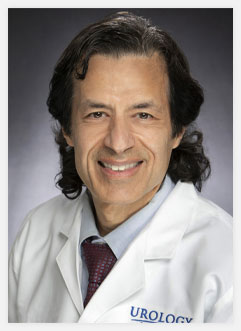 Rohit Kapoor, MD