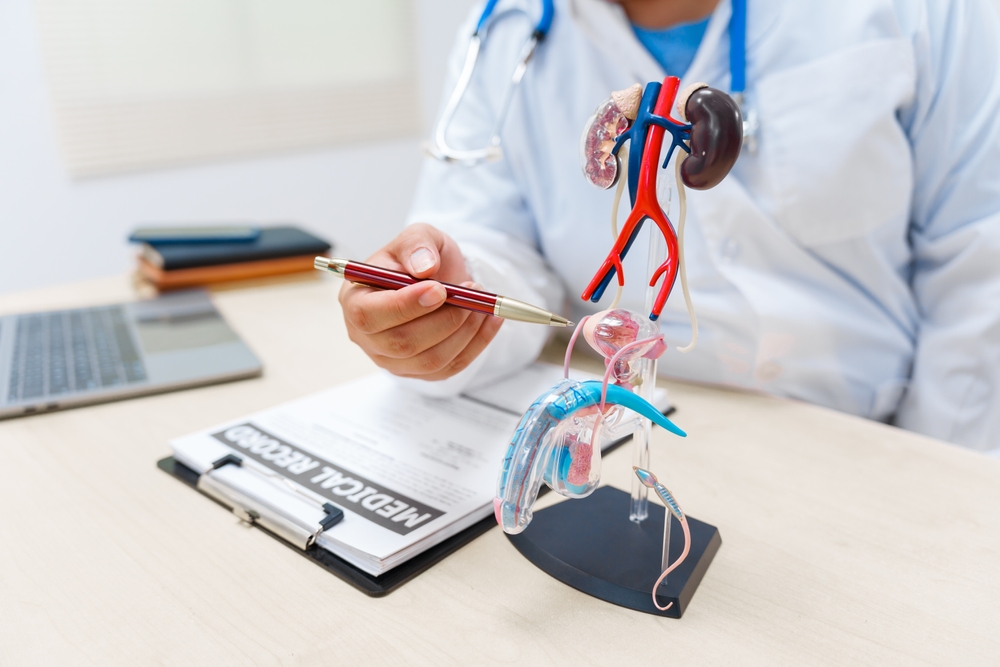
Finding the right cancer recovery center is one of the most important decisions a patient and their family can make during their treatment journey. In a region as medically advanced as South Texas, and especially in a healthcare hub like San Antonio, patients have access to a range of cancer care facilities. However, not all centers are the same, and choosing the best cancer care providers can mean the difference between a difficult road and one with more support, clarity, and comfort.
When considering how to choose a cancer recovery center in San Antonio, it’s crucial to ask the right questions. These inquiries can guide patients toward making informed decisions that align with their specific type of cancer, recovery goals, and personal values. Here, we explore the key considerations and questions every patient should bring to the table.
What Experience Does the Center Have with Your Type of Cancer?
One of the first and most critical questions to ask is whether the facility has experience treating your specific form of cancer. Cancers differ vastly in how they behave, how they are treated, and how they are managed during recovery. A center that handles multiple types of cancer may still lack expertise in your particular diagnosis.
For example, if you are dealing with prostate or kidney cancer, you should be seeking care at a facility with a dedicated urologic oncology center. In San Antonio, TX, there are specialized clinics focused on urologic cancers that offer expert guidance, advanced surgical options, and post-treatment recovery support. These centers often have multidisciplinary teams that include urologists, oncologists, radiologists, and nurses who collaborate on your treatment plan.
Ask if the facility tracks outcomes for your cancer type. Inquire about their success rates and whether they offer personalized treatment plans based on the latest research. Expertise matters not only for initial treatment but also for understanding long-term recovery and managing potential side effects.
What Support Services Are Available During Recovery?
Cancer recovery is more than just medical treatment. It encompasses emotional, psychological, nutritional, and physical rehabilitation support. As you evaluate how to choose a cancer recovery center in San Antonio, it’s vital to understand what recovery services are offered beyond traditional oncology care.
Leading centers in South Texas go beyond surgery and chemotherapy to include holistic support systems. These may involve oncology social workers, nutritionists, physical therapists, and mental health counselors. Recovery is deeply personal, and the best cancer care providers recognize this by offering comprehensive services that adapt to each patient’s evolving needs.
Patients should ask whether the center offers group therapy or peer support programs. Connecting with others who are going through similar experiences can be a source of strength and understanding. Additionally, inquire about pain management programs, palliative care options, and rehabilitation services designed to restore mobility and daily functioning after treatment.
Is the Center Involved in Clinical Trials or Research?
Another essential factor when choosing a recovery center is whether it is involved in ongoing cancer research and clinical trials. Research participation often indicates a forward-thinking approach and access to cutting-edge treatments not widely available elsewhere.
Facilities engaged in cancer research tend to adopt new therapies earlier, which may offer patients more options and hope, particularly in complex or advanced-stage cases. In San Antonio, some of the best cancer care providers collaborate with national and global research institutions to study new medications, surgical techniques, and recovery models.
Patients should ask what types of trials are currently available and whether they might qualify for any. Even if a clinical trial is not appropriate at the time of diagnosis, it could become relevant later during the course of treatment or recovery. Being in a center that participates in research ensures patients are always close to innovative care possibilities.
How Accessible and Coordinated Is the Care?
Recovery from cancer often requires coordination between multiple specialists and departments. Fragmented care can lead to delays, confusion, and duplicated efforts, all of which add stress to an already difficult time. Patients in South Texas should evaluate how well a facility handles communication and coordination.
Some of the most advanced cancer recovery centers use patient navigators to help guide individuals through their treatment and follow-up care. These professionals help schedule appointments, interpret test results, and serve as a bridge between the patient and the care team. When choosing a center in San Antonio, TX, ask whether such navigators are available.
Accessibility also includes physical location and scheduling flexibility. Is the center close to your home or easily accessible by car or public transportation? Do they offer extended hours for appointments, or telehealth options for follow-ups? These questions help determine whether the facility can support your recovery without adding logistical burdens.
Does the Center Offer Personalized Follow-Up Care?
Cancer recovery does not end when active treatment is over. Long-term survivorship care is essential to monitor for recurrence, manage ongoing side effects, and support a return to normal life. When researching how to choose a cancer recovery center in San Antonio, patients should look for facilities with robust follow-up programs.
Ask whether the center offers survivorship care plans tailored to your individual case. These plans often include a schedule of follow-up scans and labs, lifestyle recommendations, and referrals to specialists such as endocrinologists, cardiologists, or fertility experts, depending on your needs. In South Texas, leading recovery centers provide these services as part of a continuum of care, not as an afterthought.
Equally important is the emotional support provided during survivorship. Many patients struggle with anxiety, fatigue, or depression after cancer treatment ends. The best centers include psychological counseling and support groups that help patients navigate these challenges.
Conclusion
Selecting the right cancer recovery center is a deeply personal and life-altering decision. South Texas offers a wide range of high-quality options, especially in cities like San Antonio that serve as regional medical hubs. Still, not all facilities are created equal. By asking targeted questions about experience, support services, research involvement, care coordination, and follow-up, patients can make informed choices that empower their healing journey.
Whether you’re seeking help from a urologic oncology center or a full-spectrum recovery program, ensure the center you choose is committed to treating the whole person, not just the disease. With the right support, recovery becomes not just possible, but transformative. When wondering how to choose a cancer recovery center in San Antonio, start with these questions. They could lead you to a team of the best cancer care providers who will walk with you every step of the way.
Kidney cancer is a serious medical condition that requires a nuanced and evolving treatment approach. With the latest medical advancements, residents of San Antonio, TX now have access to more innovative therapies and care models than ever before. This year, several promising developments are shaping how oncologists manage advanced kidney cancer, focusing not just on eliminating tumors, but on improving quality of life and long-term survival.
This guide provides a comprehensive overview of the current landscape of kidney cancer treatment options, highlighting the cutting-edge therapies available in San Antonio and the broader Texas medical community. If you or a loved one is navigating a kidney cancer diagnosis, understanding the latest treatments and where to find personalized kidney cancer care in San Antonio is essential.
Understanding Kidney Cancer and Its Challenges
Kidney cancer typically originates in the renal cortex and can be difficult to detect early due to its often subtle symptoms. In many cases, it is only discovered during imaging tests for unrelated conditions. Once diagnosed, the stage of the cancer significantly influences the course of treatment. Early-stage kidney cancer may be addressed with surgery alone, while advanced or metastatic cases require more comprehensive strategies that combine several modalities.
The challenge with advanced kidney cancer lies in its resistance to conventional therapies. Historically, treatments such as chemotherapy and radiation have had limited success. However, the past decade has witnessed an explosion in novel approaches, particularly in the areas of immunotherapy and targeted treatments. These innovations are now available in San Antonio, TX, offering new hope for those battling complex cases.
Advances in Immunotherapy and Targeted Treatments
One of the most impactful changes in kidney cancer treatment options has been the rise of immunotherapy. This approach harnesses the patient’s immune system to fight cancer cells more effectively. Drugs such as immune checkpoint inhibitors (including nivolumab and pembrolizumab) have shown promising results in prolonging life expectancy and improving response rates in patients with metastatic renal cell carcinoma.
Another major breakthrough involves targeted therapy. Unlike traditional chemotherapy that indiscriminately attacks all rapidly dividing cells, targeted treatments aim at specific molecules involved in cancer growth. Tyrosine kinase inhibitors (TKIs) like sunitinib and cabozantinib are now commonly used for patients in San Antonio, TX with advanced kidney cancer. These drugs can shrink tumors and slow disease progression while offering a more tolerable side effect profile.
Combination therapy is also gaining traction. Oncologists now often pair immunotherapy with targeted drugs to enhance effectiveness. Clinical trials have demonstrated that combining agents like ipilimumab with nivolumab can lead to better outcomes for certain patients. Many cancer centers across Texas, including those in San Antonio, are offering these cutting-edge regimens as part of their standard care protocols.
Access to Clinical Trials in San Antonio
Participating in a clinical trial can be a transformative option for kidney cancer patients, especially when standard treatments are no longer effective. San Antonio is home to several leading medical institutions and cancer centers that actively conduct research and clinical trials aimed at discovering new advanced kidney cancer therapies.
The University of Texas Health Science Center at San Antonio and other local research hospitals offer patients access to experimental drugs and therapies not yet available to the general public. These trials often explore next-generation immunotherapies, genetic profiling, and novel drug combinations that have the potential to redefine treatment outcomes.
It’s important for patients to discuss clinical trial eligibility with their oncologists early in their care journey. Trial participation not only opens the door to advanced treatments but also contributes to the broader scientific understanding of kidney cancer and the development of future therapies.
Personalized Kidney Cancer Care: Why It Matters
No two cases of kidney cancer are the same, which is why a personalized approach to treatment is crucial. In San Antonio, more healthcare providers are emphasizing precision medicine to create tailored treatment plans that consider the genetic, molecular, and lifestyle factors unique to each patient.
Personalized kidney cancer care in San Antonio involves comprehensive diagnostic testing, including genomic sequencing of tumors. This helps identify specific mutations and biomarkers that can predict how the cancer will respond to various therapies. Oncologists then use this data to recommend treatments that are more likely to be effective and less likely to cause unnecessary side effects.
Furthermore, personalized care includes support beyond medical treatment. Nutrition guidance, mental health counseling, and palliative care are all integral to managing kidney cancer holistically. Several cancer centers in Texas now employ multidisciplinary teams that work together to address all aspects of a patient’s well-being, offering both high-tech and high-touch care.
Choosing the Right Kidney Cancer Treatment Center in Texas
With the growing number of kidney cancer treatment options available, choosing the right care center is an important decision. San Antonio is uniquely positioned with a robust medical infrastructure that includes world-class hospitals, cancer research institutions, and experienced oncology teams. From established names like MD Anderson’s regional networks to the Texas Oncology system, patients have access to some of the best minds in cancer care.
When evaluating treatment centers, patients should look for institutions that offer access to the latest technologies, have experience with advanced kidney cancer therapies, and maintain a patient-centric philosophy. It’s also beneficial to consider centers that offer second opinion services, ensuring patients can make informed decisions about their care pathways.
Additionally, many Texas-based hospitals now offer virtual consultations, making it easier for patients across the state to access top-tier care without the burden of travel. For those located in San Antonio or nearby areas, this convenience can make a significant difference in managing both logistics and stress during treatment.
Conclusion
Advanced kidney cancer is a formidable opponent, but recent medical advances have shifted the outlook from one of limited options to a landscape filled with promise. Patients in San Antonio, TX are particularly well-positioned to benefit from these changes, with local access to immunotherapy, targeted treatments, clinical trials, and comprehensive personalized kidney cancer care.
The journey through kidney cancer treatment is deeply personal and often complex. However, by staying informed about the latest kidney cancer treatment options and working closely with an experienced oncology team, patients can take proactive steps toward a healthier future. Whether you’re exploring the best local cancer centers or seeking access to advanced kidney cancer therapies in Texas, this year offers more opportunities than ever to pursue life-extending, high-quality care in San Antonio.
Staying engaged, asking the right questions, and advocating for a tailored treatment plan can make a profound difference in outcomes. With the support of evolving science and a compassionate medical community, hope is very much alive for kidney cancer patients in San Antonio today.
Bladder cancer continues to be a significant health concern in the United States, with tens of thousands diagnosed annually. As researchers and medical professionals make strides in understanding and treating this condition, new technologies and approaches are transforming patient outcomes. For individuals in San Antonio, TX, these medical breakthroughs are not just statistics in journals but real-life advancements that offer renewed hope, improved survival rates, and better quality of life.
In the heart of Texas, bladder cancer treatment centers are evolving, implementing innovative bladder cancer therapies that reflect the latest scientific developments. The region is quickly becoming recognized for its commitment to personalized bladder cancer care, with medical professionals tailoring treatments to meet each patient’s unique needs. This blog explores the emerging treatments, technologies, and patient-centered approaches helping San Antonio residents overcome the challenges of bladder cancer.
The Evolution of Bladder Cancer Treatment Centers in San Antonio, TX
San Antonio has long been home to a network of reputable healthcare institutions, but in recent years, the city has emerged as a beacon for bladder cancer care. Bladder cancer treatment centers across the city have embraced a multidisciplinary approach, bringing together urologists, oncologists, radiologists, pathologists, and nurse navigators to collaborate on individual cases. This team-based model ensures that every angle of the patient’s condition is considered when forming a treatment plan.
What distinguishes San Antonio’s healthcare landscape is the integration of cutting-edge research directly into clinical settings. Academic institutions like UT Health San Antonio work closely with cancer centers to introduce clinical trials and state-of-the-art treatments to the public. These collaborations allow patients access to therapies that are often not widely available elsewhere in Texas, including next-generation immunotherapies and targeted treatments. As a result, those seeking bladder cancer treatment in San Antonio, TX, can benefit from both the experience of seasoned professionals and the promise of medical innovation.
Innovative Bladder Cancer Therapies Transforming Patient Outcomes
One of the most promising developments in bladder cancer care is the rise of immunotherapy. Unlike traditional chemotherapy, which attacks both cancerous and healthy cells, immunotherapy stimulates the body’s immune system to recognize and destroy cancer cells. San Antonio treatment centers are among the leaders in administering these innovative bladder cancer therapies, particularly immune checkpoint inhibitors such as atezolizumab and pembrolizumab. These therapies are proving effective, especially in patients with advanced or metastatic bladder cancer.
Another notable advancement is the use of targeted therapies. These drugs zero in on specific genetic mutations or proteins that fuel cancer growth. Through molecular testing and genetic profiling, doctors in San Antonio are now able to identify whether a patient is a candidate for targeted treatment. This precision-focused approach has led to improved outcomes and fewer side effects, marking a significant departure from one-size-fits-all cancer treatments.
Additionally, photodynamic therapy and intravesical therapy, which involve administering treatments directly into the bladder, are being refined and optimized in San Antonio’s top institutions. These minimally invasive techniques offer localized control of non-muscle invasive bladder cancer, often reducing the need for extensive surgery.
Personalized Bladder Cancer Care: A New Standard in San Antonio
The medical community has shifted from standardized cancer care toward a model that prioritizes individualized treatment, and San Antonio is at the forefront of this movement. Personalized bladder cancer care begins with comprehensive diagnostics. Advanced imaging, molecular analysis, and biomarker testing enable physicians to understand the unique characteristics of each patient’s cancer. This level of insight lays the foundation for customized treatment plans that optimize both efficacy and safety.
In San Antonio, personalized care doesn’t stop at diagnostics and medication. It extends into supportive services designed to care for the whole patient. Nutritionists, mental health counselors, physical therapists, and social workers collaborate with oncology teams to provide holistic support throughout the treatment journey. This patient-first model acknowledges that recovery is not just physical but also emotional and social.
Patients are also empowered through education and shared decision-making. Physicians in San Antonio make it a priority to involve patients in choosing their care plans, presenting options clearly and compassionately. This collaborative process fosters trust and allows individuals to make informed decisions that align with their values and lifestyles.
How San Antonio’s Medical Community Is Driving Research and Access
San Antonio’s position as a research hub in Texas contributes significantly to the advancement of bladder cancer therapies. Clinical trials offer patients early access to therapies that are still under investigation but show great promise. These studies not only provide potential benefits to participants but also contribute to the global understanding of bladder cancer treatment. San Antonio’s robust clinical trial ecosystem ensures that its residents are not left waiting for progress; they are actively participating in it.
Key institutions have secured funding and resources to expand bladder cancer research initiatives. Researchers at local universities and hospitals are exploring novel drug combinations, studying the biology of cancer recurrence, and experimenting with artificial intelligence to better predict treatment responses. These efforts help reduce the time between lab discoveries and real-world applications.
Moreover, healthcare providers in San Antonio are focused on increasing access to these innovations across diverse communities. By addressing disparities in healthcare access and ensuring all patients, regardless of socioeconomic background, receive high-quality bladder cancer treatment, the city is setting an example for equity in cancer care. Outreach programs and community partnerships are ensuring that breakthroughs in cancer treatment benefit everyone, not just a select few.
The Role of Technology in Enhancing Bladder Cancer Treatment in Texas
Technology has revolutionized the delivery of bladder cancer care, and San Antonio is leveraging these tools to enhance both outcomes and patient experience. Robotic-assisted surgeries are now a standard option for eligible patients, offering greater precision, smaller incisions, and quicker recovery times compared to traditional surgical methods. This is particularly important in bladder cancer cases where preserving function and minimizing complications is vital.
Artificial intelligence and machine learning are also becoming more common in diagnostics. Algorithms can now analyze imaging scans, biopsy results, and patient histories to aid clinicians in making faster and more accurate diagnoses. San Antonio’s tech-savvy treatment centers are integrating these tools into routine practice, enhancing the speed and accuracy of care delivery.
Telemedicine, another key advancement, has made it easier for bladder cancer patients to consult with specialists, receive second opinions, and manage their care without unnecessary travel. For patients in rural or underserved areas of Texas, this is a critical lifeline. San Antonio providers have streamlined virtual care services, ensuring continuity of treatment and follow-up even in the face of logistical barriers.
Conclusion
Bladder cancer treatment is undergoing a transformation, and for residents of San Antonio, TX, that transformation is bringing better outcomes, more choices, and renewed hope. The city’s leading bladder cancer treatment centers are offering innovative bladder cancer therapies rooted in the latest research, supported by skilled medical professionals and advanced technology. Whether it’s through personalized bladder cancer care, cutting-edge surgical techniques, or access to breakthrough clinical trials, San Antonio stands out as a place where patients can expect excellence at every stage of their journey.
The blend of compassionate care and medical innovation ensures that patients are treated not just as cases but as individuals with unique stories, needs, and goals. As Texas continues to be a focal point for cancer research and healthcare development, San Antonio will remain a critical leader in providing forward-thinking, patient-centered care that truly makes a difference.
Welcome to Cancer Center, where our mission is to provide not only advanced medical care but also comprehensive, compassionate support to every patient who walks through our doors. With more than 30 years of focused expertise in urologic oncology, we are proud to serve the communities of San Antonio, TX, and surrounding areas. We specialize in treating kidney, prostate, and bladder cancers, offering a full continuum of care from initial diagnosis to long-term survivorship. What truly sets us apart is our commitment to creating personalized cancer treatment plans tailored to the unique needs of each individual.
Comprehensive and Personalized Cancer Treatment
At Cancer Center, we understand that no two cancer journeys are alike. Our personalized cancer treatment plans are meticulously developed by a multidisciplinary team that includes medical oncologists, urologists, radiation oncologists, and other specialists. These plans consider not only the type and stage of cancer but also the patient’s overall health, lifestyle, goals, and personal preferences.
By focusing specifically on urologic oncology, we bring a level of depth and expertise that is hard to find elsewhere. Our use of cutting-edge technologies and minimally invasive procedures helps reduce recovery times and improve outcomes. Whether a patient is undergoing robotic-assisted surgery, targeted therapies, or immunotherapy, their treatment path is customized with precision and intent.
We recognize that the cancer experience can be overwhelming. That’s why we take extra care to ensure that our patients understand their options, feel empowered in their decision-making, and have access to the latest advancements in cancer care.
A Compassionate Philosophy Rooted in Whole-Person Care
More than just clinical treatment, our approach to cancer care is deeply rooted in compassion and human connection. At Cancer Center, we believe that healing involves the body, mind, and spirit. Our team is committed to listening, understanding, and walking alongside our patients and their families every step of the way.
From the very first consultation, patients are welcomed into an environment where they are treated with dignity and respect. We take the time to explain diagnoses clearly and compassionately, answer questions thoroughly, and make space for the emotional realities of cancer.
This compassionate care philosophy is woven into every interaction. We are not just treating a disease — we are caring for individuals who are navigating one of the most challenging moments in their lives. Our goal is to reduce fear, build trust, and provide unwavering support throughout the cancer journey.
Emotional Support and Holistic Wellness Services
Cancer affects more than the body — it also impacts a person’s emotional and psychological well-being. That’s why we offer a wide range of emotional support services as an integral part of our care. These include one-on-one counseling, support groups, stress-reduction therapies, and integrative wellness programs.
Our dedicated oncology social workers and mental health professionals are trained to help patients process their experiences, cope with anxiety, and find strength in community. We also provide family and caregiver support to ensure that loved ones receive the guidance and resources they need during this difficult time.
In San Antonio, TX, finding a “cancer recovery center near me” that offers holistic care can be life-changing. At Cancer Center, our patients benefit from services that address the emotional toll of cancer while enhancing their overall quality of life. From mindfulness training to nutritional counseling, we focus on every aspect of wellness to promote healing and resilience.
Patient Education That Empowers
Knowledge is a powerful tool in the fight against cancer. At Cancer Center, we are passionate about educating our patients so they can make informed decisions and feel confident in their care journey. We believe that when patients understand their diagnosis, treatment options, and recovery process, they are better equipped to face the challenges ahead.
Our comprehensive education programs include personalized consultations, written materials, digital resources, and educational workshops. These resources are designed to explain complex medical information in a way that is easy to understand and practically useful.
We also encourage open communication between patients and providers. Our team is always available to answer questions, provide updates, and adjust treatment plans as needed. This patient-centered approach fosters a strong partnership between our team and those we serve, ensuring that care is always collaborative and transparent.
Lifelong Survivorship and Continued Support
Cancer doesn’t end when treatment does — and neither does our commitment to our patients. Survivorship is a vital phase of the recovery journey, and at Cancer Center, we provide robust long-term support to help our patients thrive after treatment.
Our survivorship programs include regular follow-up appointments, monitoring for recurrence, management of late or long-term side effects, and lifestyle guidance to support healthy living. We also offer survivorship care plans that outline personalized strategies for wellness, screenings, and rehabilitation.
In addition to medical follow-up, we continue to provide emotional and psychological support well into survivorship. Many of our patients find comfort and strength in connecting with others who have walked similar paths. We offer survivorship support groups, educational forums, and volunteer opportunities for those who wish to give back.
As urologic oncology specialists in San Antonio, TX, we are proud to walk with our patients from diagnosis through recovery and beyond. We are more than a treatment facility — we are a lifelong partner in health, healing, and hope.
Conclusion
At Cancer Center, our focus on personalized cancer treatment reflects our deep commitment to treating each patient as an individual with unique needs, fears, and goals. Located in San Antonio, TX, we have spent over three decades building a reputation for clinical excellence and heartfelt care in the field of urologic oncology.
Whether you or a loved one is facing kidney, prostate, or bladder cancer, we are here to offer not only the most advanced medical treatment but also compassionate support, emotional healing, and educational empowerment. If you’re searching for a “cancer recovery center near me” in San Antonio, TX, you’ve found a place where expert care and human kindness go hand in hand.
Let us be your guide and your ally on the road to recovery. Your journey matters, and at Cancer Center, we are with you every step of the way.
Cancer is a word no one wants to hear, yet it touches the lives of millions every year. In South Texas, and particularly in San Antonio, TX, the journey of cancer patients is being transformed through an expanding network of support, advanced oncology care, and compassionate community resources. The fight against cancer is not fought alone, and with the right tools, care, and emotional support, patients and their families can walk the path toward healing with dignity and strength.
The growing focus on patient-centered cancer recovery support has become a beacon of hope for many across South Texas. In cities like San Antonio, the development of comprehensive care systems ensures that patients receive not only world-class medical treatment but also the emotional and practical support necessary for recovery. From early diagnosis to survivorship, empowering cancer patients means recognizing their whole journey, and working to remove barriers to quality care and support services.
Transforming Lives Through Patient-Centered Oncology Care
South Texas has witnessed significant advances in oncology care, ensuring that patients receive the most cutting-edge treatments available today. In San Antonio, TX, leading cancer treatment facilities are reshaping the experience of what it means to go through cancer. These institutions focus on personalized care plans that cater to the unique needs of every patient. No two cancer journeys are alike, and the best outcomes come from treating the individual, not just the disease.
State-of-the-art technologies such as precision medicine, immunotherapy, and targeted therapies are being utilized to create more effective treatment protocols. These breakthroughs not only increase the chances of recovery but also reduce side effects, helping patients maintain a better quality of life during treatment. In combination with clinical trials and multidisciplinary teams, cancer centers in San Antonio offer care that rivals that of national institutions, all while remaining close to home for South Texans.
But technology alone is not enough. The human touch is critical. Compassionate care providers, including oncologists, nurses, social workers, and counselors, form an integral part of the support network. The emphasis is placed not just on fighting cancer, but also on nurturing the emotional and psychological well-being of each patient.
Building a Network of Compassionate Cancer Centers
Across San Antonio and throughout South Texas, compassionate cancer centers are springing up to meet the growing demand for holistic cancer care. These centers offer more than medical treatment; they foster a nurturing environment where patients feel understood, supported, and respected.
A compassionate cancer center in San Antonio, TX, goes beyond clinical excellence to embrace the values of empathy, communication, and patient empowerment. These centers provide integrated services such as nutritional counseling, pain management, psychosocial support, and palliative care. The focus is on treating the whole person, not just the illness. By creating spaces that are welcoming and accessible, these centers reduce the stress often associated with treatment and recovery.
In rural areas of South Texas, access to such comprehensive care has historically been limited. However, through outreach programs, mobile clinics, and telemedicine, the reach of compassionate cancer centers is expanding. This is especially vital for patients who may otherwise face long travel times and logistical challenges to receive life-saving care.
The mission of these centers is clear: to empower every patient with the resources, knowledge, and support they need to navigate their cancer journey with confidence and resilience.
Community Support and Cancer Recovery Resources in San Antonio
One of the most powerful aspects of cancer recovery support in South Texas is the community-driven spirit that surrounds it. San Antonio, TX, has become a hub for cancer-related support networks, offering a wide range of resources that address not only physical recovery but also emotional healing.
Support groups, both in-person and virtual, provide safe spaces where patients and survivors can share their experiences, challenges, and victories. These gatherings foster connection and mutual understanding, alleviating the sense of isolation that can often accompany a cancer diagnosis. Peer mentorship programs also offer newly diagnosed individuals the opportunity to learn from those who have walked the same path.
Nonprofit organizations and faith-based groups in San Antonio play a vital role in this landscape. They offer services such as transportation to appointments, financial assistance, wellness programs, and educational workshops. These resources remove barriers to care and empower patients to make informed decisions about their treatment.
Families are not left out of this support system. Recognizing that cancer affects not just the individual but also their loved ones, many programs provide counseling and resources specifically tailored for caregivers. When families are supported, patients benefit from a stronger and more cohesive support system at home.
Survivorship and Thriving Beyond Cancer
The journey through cancer does not end when treatment is over. Survivorship is an essential phase of the recovery process, and South Texas is increasingly recognizing the importance of long-term support for cancer survivors.
In San Antonio, TX, survivorship programs focus on helping individuals transition from active treatment to post-treatment life. These programs address the physical, emotional, and social changes that come with life after cancer. Follow-up care, rehabilitation services, and regular health screenings ensure that survivors remain healthy and vigilant.
Equally important are the emotional aspects of survivorship. Many survivors deal with fear of recurrence, changes in body image, and the challenge of returning to work or daily routines. Cancer recovery support systems are designed to help individuals rebuild their confidence and find a new normal. Through counseling, peer groups, and life coaching, survivors can reclaim their lives with renewed purpose and strength.
Wellness programs that include exercise classes, yoga, meditation, and nutrition coaching are also integral to survivorship care. These initiatives promote overall well-being and reinforce the idea that healing is a lifelong process.
A Future of Hope and Empowerment in South Texas
As South Texas continues to evolve in its approach to cancer care, one thing remains constant: the unwavering commitment to empowering patients every step of the way. From diagnosis through treatment and into survivorship, patients are no longer alone. The collaborative efforts of medical professionals, caregivers, community organizations, and compassionate cancer centers are creating a network of support that is as strong as it is heartfelt.
San Antonio, TX, stands as a shining example of what is possible when a community rallies together around those in need. By embracing the principles of personalized care, emotional support, and accessible services, the region is setting a new standard for what oncology care can and should be.
The future holds great promise, not just in terms of medical advancements, but also in how we care for one another as human beings. With continued investment in resources and infrastructure, and an enduring focus on empathy, South Texas will remain a place where hope, healing, and empowerment thrive.
Conclusion
Empowering cancer patients across South Texas requires more than medicine. It requires compassion, community, and a commitment to seeing each person as more than just a diagnosis. In San Antonio, TX, and beyond, cancer recovery support is growing stronger, more inclusive, and more holistic every day.
Through advanced oncology care, compassionate cancer centers, and robust support systems, patients are finding the strength to not only survive but to thrive. As we look toward the future, the message is clear: with the right care and support, healing is always possible.
 Rohit Kapoor, MD