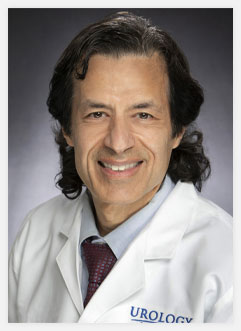
 Rohit Kapoor, MD
Cancer Survivorship in San Antonio, TX: What Long-Term Recovery Really Looks Like

Cancer survivorship in San Antonio, TX represents far more than the completion of active treatment. For many individuals, ringing the bell at the end of chemotherapy or radiation is only the start of a new chapter that involves healing, monitoring, adjusting, and rebuilding a life that has been shaped by months or years of medical intervention. Long term cancer recovery care plays an essential role in this stage, supporting survivors physically, emotionally, and socially as they regain strength and navigate lingering effects of the disease and its treatments.
San Antonio is home to a large and diverse cancer survivor community, which has led to a strong network of healthcare providers, cancer centers, and support resources focused on survivorship needs. Recovery is not a linear process, and each survivor experiences a unique path. Still, common patterns emerge that illustrate what long term survivorship truly looks like and why ongoing care is so important.
This blog explores five key aspects of cancer survivorship, focusing on the realities of recovery, the importance of medical follow up, and the support systems available throughout the region. Understanding these elements can help survivors and their loved ones feel more prepared for the post treatment journey.
Adjusting to Life After Treatment
Many people expect to feel immediate relief and renewed energy once treatment ends, yet it is common for survivors to discover that finishing treatment brings a complex mix of emotions. Relief often sits alongside anxiety, fatigue, and uncertainty about the future. The transition from regular medical appointments to a less structured schedule can feel unsettling for some, especially after relying on close clinical supervision for months.
Fatigue remains one of the most persistent challenges survivors face. Even when the body has technically healed from treatment, long term exhaustion can continue for months or years. This fatigue may affect daily routines, work, and family responsibilities. Survivors often learn to pace themselves, incorporate rest periods, and gradually rebuild stamina.
Emotional recovery is another major component of life after treatment. Many survivors in San Antonio report experiencing unexpected feelings of sadness, fear of recurrence, or difficulty reconnecting with normal routines. Professional counseling, peer support groups, and survivorship programs can be invaluable during this time. These services help individuals process experiences, set realistic expectations, and gain confidence in their ability to move forward.
Adjustment also means finding a new normal. For some, this involves revisiting old hobbies or careers with renewed purpose. For others, it means exploring new interests, adopting healthier habits, or redefining priorities. Although challenging, this stage often becomes an opportunity for reflection and growth.
The Role of Long Term Cancer Recovery Care
Long term cancer recovery care supports survivors well beyond the final day of treatment. In San Antonio, oncology teams increasingly emphasize survivorship planning, which may include detailed summaries of treatments received, potential long term side effects, and recommended follow up care. This plan becomes a roadmap for survivors and their primary care providers.
Physical rehabilitation can play a central role in recovery. Some survivors experience limited mobility, muscle weakness, neuropathy, or pain related to treatment. Rehabilitation specialists develop personalized exercise plans that help rebuild strength and improve physical function. These programs can significantly enhance quality of life and independence.
Nutrition support is another important aspect of recovery. Cancer and its treatments often change metabolism, appetite, and digestive health. Registered dietitians familiar with oncology care help survivors develop eating plans that promote healing, support immune function, and prevent unintended weight changes.
Mental health services are just as vital as physical recovery. Long term cancer recovery care often includes access to psychologists, social workers, and support groups that address issues like anxiety, depression, body image concerns, and coping with uncertainty. These services create a strong foundation for emotional resilience.
Many cancer centers in San Antonio offer specialized survivorship clinics that bring all these resources together. These clinics help streamline care, reduce confusion, and ensure survivors have coordinated support as they transition into the long term phase of recovery.
Why Post Cancer Treatment Monitoring Matters
Post cancer treatment monitoring provides an essential safety net for survivors. Even after successful therapy, there is always some risk of recurrence, secondary cancers, or long term side effects. Evidence based monitoring schedules help detect problems early, when they are most treatable.
Survivors may undergo regular imaging, lab tests, and physical exams. These appointments allow oncology teams to track progress, evaluate symptoms, and catch unexpected changes. For many survivors, these visits also provide reassurance and a chance to address concerns that arise during recovery.
Monitoring is not limited to cancer related issues. Some treatments can affect heart health, bone density, thyroid function, or reproductive health. Primary care doctors and specialists in San Antonio often collaborate closely with oncology providers to ensure survivors receive comprehensive care that addresses the full picture of long term wellbeing.
Education plays a key role in effective monitoring. Survivors learn which symptoms warrant attention, how to maintain a healthy lifestyle, and what to expect as part of ongoing recovery. Feeling informed helps reduce anxiety and empowers individuals to take an active role in their health.
Community Support and Survivorship Resources in San Antonio
Cancer survivorship in San Antonio, TX is strengthened by a variety of community resources designed to support individuals at every stage of recovery. Local hospitals, cancer centers, nonprofit organizations, and advocacy groups offer programs that extend beyond clinical treatment.
Support groups allow survivors to connect with others who understand what they are experiencing. These groups address topics like coping strategies, fatigue management, family relationships, and returning to work. Many survivors find that sharing their stories helps them feel less isolated and more supported.
Wellness programs, including yoga, meditation, walking groups, and stress reduction classes, are widely available throughout the city. These programs encourage survivors to build healthy routines and reduce anxiety while enhancing physical strength.
San Antonio also hosts educational workshops that cover topics like financial planning, managing insurance, navigating employment rights, and accessing community services. This information can be invaluable for survivors who face practical challenges as they transition back to daily life.
Faith based organizations and cultural community centers also play a significant role, offering spiritual support, translation services, and culturally relevant programs that reflect the needs of San Antonio’s diverse population.
Building a Meaningful Future After Cancer
Survivorship often inspires individuals to reflect deeply on their values and goals. Many survivors develop a renewed appreciation for relationships, health, and personal growth. Some choose to volunteer with cancer organizations, participate in awareness events, or mentor newly diagnosed patients. Others focus on career changes, travel, or creative pursuits that feel more meaningful after their experience.
The process of rebuilding life after cancer is highly personal. What matters most is that survivors feel supported, informed, and empowered along the way. With strong medical follow up, community connections, and long term cancer recovery care, survivors in San Antonio can look forward to a future defined not by cancer, but by resilience and possibility.
Conclusion
Cancer survivorship in San Antonio, TX encompasses far more than the end of treatment. It involves physical healing, emotional growth, and long term planning that supports health and wellbeing well into the future. With comprehensive post cancer treatment monitoring, dedicated survivorship programs, and a strong network of community resources, survivors have access to the support they need to thrive. Long term cancer recovery care helps guide individuals through the challenges and opportunities that come after cancer, creating a path toward renewed strength, stability, and hope.