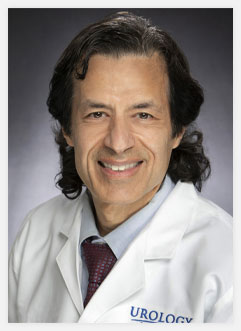
 Rohit Kapoor, MD
Choosing a Cancer Recovery Center in South Texas: Questions Every Patient Should Ask

Finding the right cancer recovery center is one of the most important decisions a patient and their family can make during their treatment journey. In a region as medically advanced as South Texas, and especially in a healthcare hub like San Antonio, patients have access to a range of cancer care facilities. However, not all centers are the same, and choosing the best cancer care providers can mean the difference between a difficult road and one with more support, clarity, and comfort.
When considering how to choose a cancer recovery center in San Antonio, it’s crucial to ask the right questions. These inquiries can guide patients toward making informed decisions that align with their specific type of cancer, recovery goals, and personal values. Here, we explore the key considerations and questions every patient should bring to the table.
What Experience Does the Center Have with Your Type of Cancer?
One of the first and most critical questions to ask is whether the facility has experience treating your specific form of cancer. Cancers differ vastly in how they behave, how they are treated, and how they are managed during recovery. A center that handles multiple types of cancer may still lack expertise in your particular diagnosis.
For example, if you are dealing with prostate or kidney cancer, you should be seeking care at a facility with a dedicated urologic oncology center. In San Antonio, TX, there are specialized clinics focused on urologic cancers that offer expert guidance, advanced surgical options, and post-treatment recovery support. These centers often have multidisciplinary teams that include urologists, oncologists, radiologists, and nurses who collaborate on your treatment plan.
Ask if the facility tracks outcomes for your cancer type. Inquire about their success rates and whether they offer personalized treatment plans based on the latest research. Expertise matters not only for initial treatment but also for understanding long-term recovery and managing potential side effects.
What Support Services Are Available During Recovery?
Cancer recovery is more than just medical treatment. It encompasses emotional, psychological, nutritional, and physical rehabilitation support. As you evaluate how to choose a cancer recovery center in San Antonio, it’s vital to understand what recovery services are offered beyond traditional oncology care.
Leading centers in South Texas go beyond surgery and chemotherapy to include holistic support systems. These may involve oncology social workers, nutritionists, physical therapists, and mental health counselors. Recovery is deeply personal, and the best cancer care providers recognize this by offering comprehensive services that adapt to each patient’s evolving needs.
Patients should ask whether the center offers group therapy or peer support programs. Connecting with others who are going through similar experiences can be a source of strength and understanding. Additionally, inquire about pain management programs, palliative care options, and rehabilitation services designed to restore mobility and daily functioning after treatment.
Is the Center Involved in Clinical Trials or Research?
Another essential factor when choosing a recovery center is whether it is involved in ongoing cancer research and clinical trials. Research participation often indicates a forward-thinking approach and access to cutting-edge treatments not widely available elsewhere.
Facilities engaged in cancer research tend to adopt new therapies earlier, which may offer patients more options and hope, particularly in complex or advanced-stage cases. In San Antonio, some of the best cancer care providers collaborate with national and global research institutions to study new medications, surgical techniques, and recovery models.
Patients should ask what types of trials are currently available and whether they might qualify for any. Even if a clinical trial is not appropriate at the time of diagnosis, it could become relevant later during the course of treatment or recovery. Being in a center that participates in research ensures patients are always close to innovative care possibilities.
How Accessible and Coordinated Is the Care?
Recovery from cancer often requires coordination between multiple specialists and departments. Fragmented care can lead to delays, confusion, and duplicated efforts, all of which add stress to an already difficult time. Patients in South Texas should evaluate how well a facility handles communication and coordination.
Some of the most advanced cancer recovery centers use patient navigators to help guide individuals through their treatment and follow-up care. These professionals help schedule appointments, interpret test results, and serve as a bridge between the patient and the care team. When choosing a center in San Antonio, TX, ask whether such navigators are available.
Accessibility also includes physical location and scheduling flexibility. Is the center close to your home or easily accessible by car or public transportation? Do they offer extended hours for appointments, or telehealth options for follow-ups? These questions help determine whether the facility can support your recovery without adding logistical burdens.
Does the Center Offer Personalized Follow-Up Care?
Cancer recovery does not end when active treatment is over. Long-term survivorship care is essential to monitor for recurrence, manage ongoing side effects, and support a return to normal life. When researching how to choose a cancer recovery center in San Antonio, patients should look for facilities with robust follow-up programs.
Ask whether the center offers survivorship care plans tailored to your individual case. These plans often include a schedule of follow-up scans and labs, lifestyle recommendations, and referrals to specialists such as endocrinologists, cardiologists, or fertility experts, depending on your needs. In South Texas, leading recovery centers provide these services as part of a continuum of care, not as an afterthought.
Equally important is the emotional support provided during survivorship. Many patients struggle with anxiety, fatigue, or depression after cancer treatment ends. The best centers include psychological counseling and support groups that help patients navigate these challenges.
Conclusion
Selecting the right cancer recovery center is a deeply personal and life-altering decision. South Texas offers a wide range of high-quality options, especially in cities like San Antonio that serve as regional medical hubs. Still, not all facilities are created equal. By asking targeted questions about experience, support services, research involvement, care coordination, and follow-up, patients can make informed choices that empower their healing journey.
Whether you’re seeking help from a urologic oncology center or a full-spectrum recovery program, ensure the center you choose is committed to treating the whole person, not just the disease. With the right support, recovery becomes not just possible, but transformative. When wondering how to choose a cancer recovery center in San Antonio, start with these questions. They could lead you to a team of the best cancer care providers who will walk with you every step of the way.