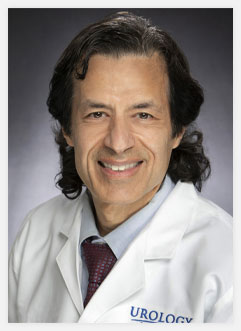
 Rohit Kapoor, MD
Why Urologic Oncology Matters for Prostate, Kidney & Bladder Cancer Recovery in South Texas
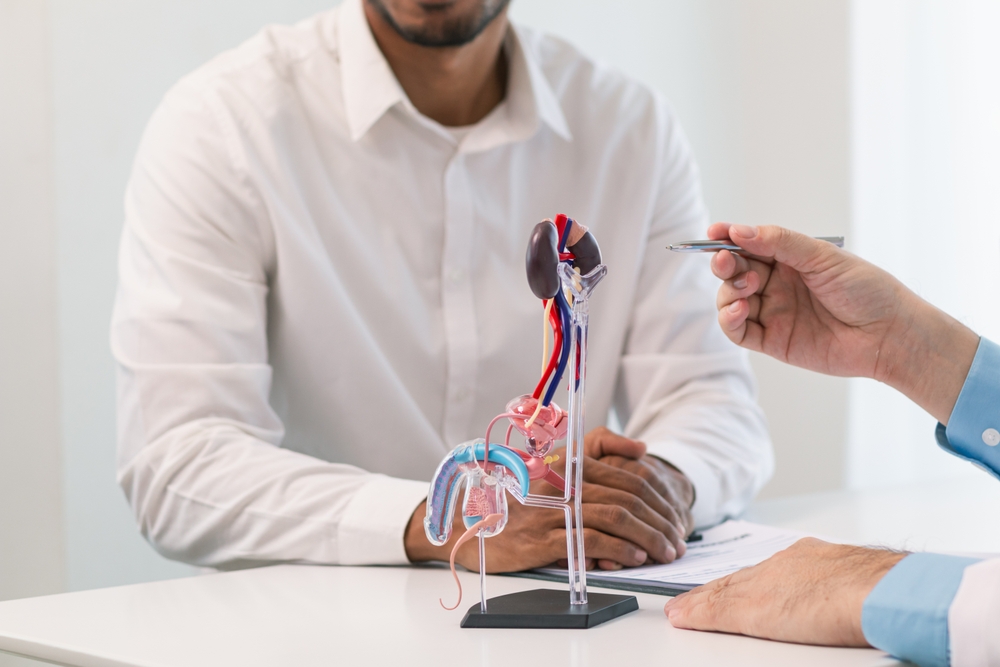
Urologic oncology in San Antonio has become a vital part of modern cancer treatment for individuals facing prostate kidney bladder cancer recovery. As rates of urologic cancers rise across the region, more patients and families are seeking access to specialized cancer care that is tailored to their exact diagnosis and long term health goals. South Texas is home to a diverse population with unique medical needs, and the growing availability of advanced urologic oncology services has created a meaningful path forward for people who want the most effective and compassionate treatment possible.
Urologic oncology focuses on cancers that develop within the urinary system and male reproductive organs. These cancers can affect daily life in profound ways and may lead to challenges that persist throughout treatment and recovery. Access to specialists who understand the complexities of prostate kidney and bladder cancers can empower patients to make informed decisions and improve long term outcomes. For people in South Texas, where medical access can vary widely between rural and urban communities, having high quality care available close to home makes an enormous difference.
The Importance of Early Detection and Specialized Diagnosis
Prostate kidney and bladder cancers are often treatable when detected early, which is why urologic oncology in San Antonio emphasizes comprehensive screening and diagnostic precision. Since many urologic cancers do not produce clear symptoms in their earliest stages, patients benefit significantly from working with experts who can interpret subtle test results and identify abnormalities that might otherwise go unnoticed.
Specialized cancer care requires more than simply running standard tests. It involves a deeper understanding of how each cancer behaves, how it progresses, and what factors influence recovery. For example, prostate cancer may grow slowly in some individuals while others experience rapid changes that require immediate intervention. Kidney tumors can remain hidden until imaging reveals them, and bladder cancer often presents through recurring urinary issues that require careful evaluation.
A dedicated urologic oncologist can distinguish between benign and malignant conditions while guiding patients through additional testing such as biopsies, imaging, and laboratory assessments. This careful and highly individualized approach is especially important in South Texas, where diverse populations may experience risk factors related to age, occupation, environmental exposure, and genetic background. Early and accurate diagnosis provides the foundation for successful treatment and ultimately strengthens the path to prostate kidney bladder cancer recovery.
Personalized Treatment Options that Support Long Term Healing
Once a diagnosis is confirmed, the next critical step involves selecting the most suitable treatment plan. Patients benefit greatly from specialized cancer care that is designed around their personal health profile rather than a one size fits all approach. Urologic oncology in San Antonio offers access to advanced therapies that allow individuals to pursue recovery with confidence and clarity.
Treatment options can include minimally invasive surgery, targeted therapy, immunotherapy, radiation, and active surveillance when appropriate. Each of these treatments carries its own advantages and potential risks, making expert guidance essential. For example, robotic assisted surgery can reduce recovery time and preserve important functions for many prostate cancer patients. Kidney cancer treatment might focus on removing only the tumor instead of the entire kidney, which can help protect long term renal health. Bladder cancer treatment often requires a combination of local therapies and systemic options to prevent recurrence.
Specialists in South Texas understand that treatment must align with personal needs and lifestyle goals. A patient who is still active in their career may require a different approach than someone who prefers a more conservative treatment path. A person living in a rural area might need a care plan that reduces travel time or limits lengthy hospital stays. These realities shape the way urologic oncologists develop treatment strategies that support whole person care.
Improving Quality of Life During and After Cancer Treatment
The process of prostate kidney bladder cancer recovery does not end once the initial treatment is finished. Many individuals continue to manage side effects or emotional challenges long after surgery or therapy. This is why urologic oncology in San Antonio places strong emphasis on long term health management and supportive care.
Quality of life is a critical part of recovery. Patients often need help navigating changes related to urinary function, fertility, hormonal balance, sexual health, fatigue, anxiety, and overall well being. Specialized cancer care integrates these concerns into every stage of the recovery journey. By offering rehabilitative services, counseling, nutritional guidance, and routine monitoring, providers in South Texas help patients regain confidence and stability as they move forward.
The cultural diversity of South Texas also plays an important role in recovery. Many families rely on strong community connections and shared decision making. A urologic oncology provider who respects these values can create a more comfortable environment that promotes trust and open communication. When patients feel understood, they are more likely to follow treatment recommendations, attend follow up appointments, and maintain healthy habits that support long term recovery.
The Growing Impact of Urologic Oncology in South Texas Communities
As awareness increases, more people across South Texas are recognizing the importance of seeking specialized cancer care early in their journey. Urologic oncology in San Antonio is helping bridge the gap between standard treatment and personalized, high level medical support. This benefits not only individuals but entire communities that depend on accessible and reliable healthcare.
South Texas has seen significant improvement in cancer outcomes due to advancements in technology, expanded research, and stronger collaboration among medical experts. Urologic oncologists often work closely with radiologists, pathologists, primary care physicians, and other specialists to ensure patients receive the most comprehensive support possible. This teamwork is essential for managing complex cancers that require ongoing evaluation and coordinated treatment.
As medical resources continue to grow in the region, more patients are able to stay close to home rather than traveling long distances for specialized care. This convenience reduces financial strain and emotional stress while promoting a smoother recovery experience. Families can remain involved in the healing process and provide consistent support, which is often a key factor in successful long term outcomes.
Conclusion
Urologic oncology in San Antonio plays a central role in helping individuals achieve stronger and more confident prostate kidney bladder cancer recovery. Through early detection, specialized diagnosis, personalized treatment, and long term support, patients in South Texas gain access to the level of care they deserve. The commitment to advanced knowledge, compassionate guidance, and community centered service allows individuals and families to navigate cancer with greater resilience and hope.
As the field of urologic oncology continues to expand, South Texas stands at the forefront of improved patient outcomes. The dedication to specialized cancer care ensures that more people can look toward the future with optimism and the assurance that they are supported by experts who understand their needs at every stage of the journey.